How to Choose High-Quality Antique Furniture Like a Pro is your ultimate guide to navigating the intricate world of antique furniture selection. In a realm where history and craftsmanship intertwine, finding the perfect piece can be both thrilling and daunting. With this guide, you'll discover the secrets to identifying authentic, high-quality antiques that not only enhance your decor but also tell a story.
From understanding the significance of various styles and periods to learning how to evaluate craftsmanship, this comprehensive approach ensures you're well-prepared to make informed decisions. As you delve into the nuances of antique furniture, you'll unlock the benefits of owning unique pieces that stand the test of time.
Understanding Antique Furniture: How To Choose High-Quality Antique Furniture Like A Pro
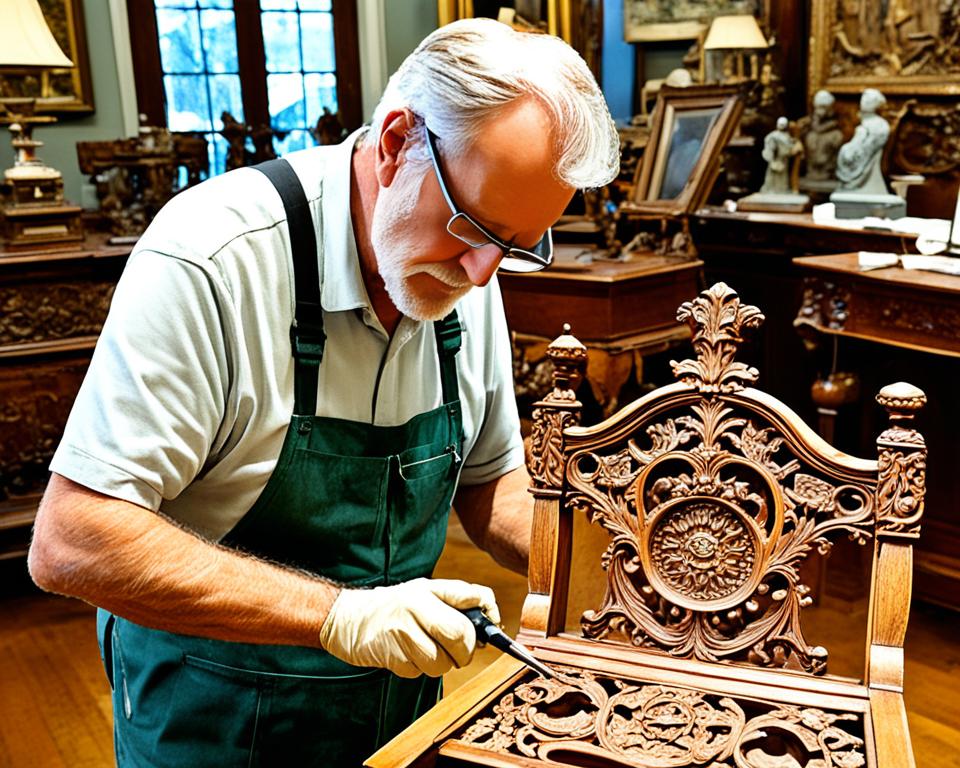
Antique furniture is more than just décor; it is a tapestry of history, craftsmanship, and cultural significance that enriches any space. Each piece tells a story, reflecting the artistry and societal values of the time it was created. This journey into the world of antique furniture will unveil its historical importance, explore various styles and periods, and highlight the advantages of owning these exquisite items.
Historical Significance of Antique Furniture
Antique furniture plays a crucial role in understanding past societies, showcasing the technological advancements, aesthetic preferences, and social dynamics of different eras. Items from the Victorian period, for instance, display intricate details and craftsmanship that reflect the industrial revolution's impact on design. These pieces often served not only functional purposes but also represented wealth and status.
Styles and Periods of Antique Furniture Design
Exploring the various styles and periods of antique furniture reveals the evolution of design and craftsmanship. Each period is characterized by unique features and materials used, showcasing the changing tastes over centuries.
Georgian (1714-1830): Known for its elegance and symmetry, Georgian furniture features clean lines, classic proportions, and fine craftsmanship, utilizing mahogany and walnut woods.
Victorian (1837-1901): This period embraced boldness and extravagance, often incorporating ornate carvings, intricate upholstery, and darker woods to reflect the era's affluence.
Art Nouveau (1890-1910): Characterized by flowing lines, organic forms, and natural motifs, Art Nouveau pieces often use materials such as glass and metal alongside wood.
Mid-Century Modern (1940-1965): This style marked a shift towards minimalism and functionality, emphasizing clean lines and geometric shapes, often using materials like teak and plywood.
Benefits of Owning High-Quality Antique Pieces
Investing in high-quality antique furniture provides numerous benefits that extend beyond mere aesthetics. These pieces are often durable, crafted with techniques and materials that outlast modern manufacturing.
Timeless Elegance: Antique furniture adds sophistication to any room, showcasing unique designs that aren't replicated in contemporary pieces.
Investment Value: Many antique items appreciate over time, offering both beauty and financial returns. For example, a well-maintained Victorian armchair can significantly increase in value at auctions.
Environmental Impact: Choosing antiques is an eco-friendly option, as it promotes reusing and recycling rather than contributing to new production.
Unique History: Each piece carries a story, providing a connection to the past that modern furniture simply cannot replicate.
“Antique furniture is not just about decor; it is about preserving history and embracing a timeless charm that enriches our living spaces.”
Identifying High-Quality Antique Furniture
When it comes to selecting antique furniture, understanding the characteristics that signify high quality is crucial. Distinct craftsmanship, exquisite materials, and historical significance are hallmarks of superior antique pieces. This guide will aid you in distinguishing high-quality antiques from lower-quality imitations.The quality of antique furniture can be identified by several key characteristics, including the type of wood, the finish, and the overall construction techniques employed by the craftsman.
High-quality antique furniture often showcases meticulous attention to detail, durability, and aesthetic appeal that has stood the test of time.
Characteristics of High-Quality Antique Furniture
Several fundamental traits can help in identifying high-quality antique furniture. Awareness of these characteristics can enhance your purchasing decisions.
Type of Wood: Solid hardwoods such as oak, walnut, mahogany, and cherry are commonly used in high-quality antiques. These woods are not only durable but also age beautifully.
Joinery Techniques: Look for dovetail joints, mortise and tenon, or finger joints. These traditional methods indicate skilled craftsmanship and contribute to the piece's stability.
Finish: Hand-rubbed finishes are common in high-quality antiques. A patina that has developed over time enhances the piece's charm and value.
Design Elements: Intricate carvings, inlays, and embellishments are signs of a well-crafted piece. These features should appear seamless and well executed.
Provenance: Documentation or history of ownership can significantly enhance the value and authenticity of an antique piece.
Checklist for Evaluating Craftsmanship
A systematic approach to evaluate the craftsmanship of antique furniture can help ensure you make a wise investment. Use this checklist to guide your assessment.
Examine the construction: Is it solid wood or veneer?
Inspect the joints: Are they strong and well-fitted?
Assess the finish: Does it show signs of quality aging?
Evaluate the hardware: Are the hinges and pulls original and in good condition?
Check for repairs: Are there any visible signs of restoration?
Comparison of Materials Used in Antique Furniture
Different materials used in antique furniture can affect both durability and aesthetic appeal. Selecting the right material is essential for ensuring long-lasting quality.
Material Durability Characteristics
Oak Very High Strong, heavy, and often features prominent grain patterns.
Mahogany High Rich colors with beautiful grain; stable and resistant to warping.
Walnut High Dark wood with intricate patterns; less common and often more expensive.
Pine Moderate Lightweight and more prone to dents and scratches; often used in early American furniture.
"Investing in antique furniture is not just about aesthetics; it's about appreciating the craftsmanship and history that each piece carries."
Researching Antique Furniture
Researching antique furniture is a vital step for any collector or enthusiast looking to make informed purchases. Understanding an item's history, provenance, and the credibility of the sellers can significantly enhance your collecting experience. By applying diligent research methods, you can uncover fascinating stories behind each piece and ensure you are investing in quality items that hold their value over time.Provenance refers to the documented history of an antique item, detailing its origin, ownership, and any significant events associated with it.
It adds immense value and authenticity to a piece, making it essential to establish its credibility. Key resources for researching provenance include auction house records, museum archives, and historical societies. Always seek documentation and verification from reputable sources, as this can often make a difference in assessing the value of a piece.
Resources for Identifying Reputable Dealers and Auctions
Finding trustworthy dealers and auctions is crucial for acquiring high-quality antique furniture. The reputation of the source can greatly affect the authenticity and value of your purchase. A few reliable resources include:
Local Antique Shops: Always check reviews and ratings to ensure credibility.
Reputable Auctions: Renowned auction houses like Sotheby’s and Christie’s offer extensive catalogs and historical insights.
Trade Shows: Events like the Antique Dealers Association of America show provide opportunities to meet and network with reputable dealers.
Online Marketplaces: Websites like 1stdibs and Ruby Lane specialize in vintage and antique items, but always verify the seller's history.
Books and Websites for Valuable Information on Antique Furniture
Equipping yourself with knowledge is key to becoming a savvy collector. Numerous books and websites are dedicated to antique furniture, offering insights on identification, valuation, and history. Here is a selection of valuable titles and resources:
Books:
"Antique Furniture: Identification & Price Guide" by John Andrews provides comprehensive insights into various styles and periods.
"The Complete Guide to Antique Furniture" by John S. Hays includes expert advice on valuation and restoration.
"Antique Furniture: The Collector’s Guide" by J. H. Duval discusses provenance and historical significance.
Websites:
The Antique Roadshow website offers resources for evaluating antiques and understanding market trends.
Antique Trader provides a wealth of articles, guides, and forums for antique enthusiasts.
National Antique & Art Dealers Association (NAADA) lists certified dealers and auctions for reliable purchases.
"Researching the provenance of an antique piece not only enhances its value but also enriches the story you share with others."
Inspecting Antique Furniture
Before committing to the purchase of antique furniture, it is crucial to conduct a thorough inspection. This step will ensure you are making a wise investment in a piece that not only enhances your home’s aesthetic but also retains its value over time. By closely examining the details, you can uncover hidden issues that may not be immediately apparent.Inspecting antique furniture involves a step-by-step process that helps identify the quality and condition of the piece.
Each step is essential for discerning the craftsmanship and potential pitfalls of the furniture you are considering.
Step-by-Step Process for Inspection
Begin your inspection by following this structured approach to evaluate the overall condition of the antique piece:
1. Visual Examination
Start by looking at the furniture from a distance to assess its overall aesthetic. Pay attention to the color, texture, and finish.
2. Check for Structural Integrity
Gently shake the piece to test for stability. Look for any wobbling or creaking sounds.
3. Examine Joinery
Investigate the joints where pieces come together. High-quality antique furniture will feature dovetail or mortise-and-tenon joints.
4. Look for Signs of Damage
Inspect for scratches, dents, or chips in the wood. Pay particular attention to corners and edges.
5. Assess the Finish
Determine if the finish is original or if it has been restored. Older finishes often show signs of wear, while newer ones may appear too perfect.
6. Inspect Hardware
Check hinges, knobs, and other hardware for age and originality. Original hardware adds value to the piece.
7. Smell the Wood
Take a whiff of the wood; a musty smell could indicate past water damage or mold, while a fresh, woody scent is often a good sign.To assist in identifying potential problems, refer to the following table outlining common signs of damage or restoration:
Sign Description
Cracks Visible splits in wood that may affect structural integrity.
Replaced Parts Parts that do not match the style or age may have been replaced.
Refinished Surface A shiny or overly smooth surface may indicate refinishing.
Warping Bowed or bent surfaces that compromise function.
Stains or Water Damage Dark spots or discoloration indicating past moisture exposure.
The structure of antique furniture plays a significant role in its longevity and usability. The joinery—the way different parts of the furniture are constructed together—should reflect the craftsmanship of the era. High-quality pieces will exhibit intricate joinery that is both functional and aesthetically pleasing.
Inspecting the joinery not only showcases the skill of the craftsman but also provides insight into the durability of the furniture.
Carefully inspecting the structure can reveal the true age of the piece and whether it has been altered in any significant way. Remember, a well-constructed antique with proper joinery can withstand the test of time, adding both beauty and value to your collection.
Negotiating and Buying Antique Furniture
Successfully acquiring antique furniture requires a strategic approach, particularly when it comes to negotiating prices and verifying authenticity. Understanding market values and employing effective negotiation techniques can lead to a rewarding purchase that enhances your collection or home décor.
Strategies for Negotiating Prices, How to Choose High-Quality Antique Furniture Like a Pro
Negotiating the price of antique furniture can be an art form, requiring both insight and tact. Here are some key strategies to consider during the negotiation process:
Do Your Homework: Research the specific piece’s market value and comparable sales to establish a reasonable price point.
Build Rapport: Establish a positive relationship with the seller. A friendly conversation can create a more comfortable atmosphere for negotiation.
Identify Flaws: If the item has any imperfections, use them to your advantage in negotiating a lower price.
Be Prepared to Walk Away: Demonstrating that you are willing to leave if the price isn't right can be a powerful negotiating tactic.
Offer a Fair Counter: If the initial asking price is too high, make a reasonable counteroffer that reflects your research.
Buying from Auctions or Estate Sales
Acquiring antique furniture through auctions or estate sales can be an exciting experience. However, it requires a clear understanding of the process to ensure a successful purchase.
Understand the Auction Process: Familiarize yourself with how auctions work, including registration, bidding procedures, and payment methods.
Attend Previews: Many auctions offer preview days. Attend these to inspect items before bidding.
Set a Budget: Determine the maximum amount you are willing to spend beforehand to avoid impulse buying.
Bid Strategically: Start with a lower bid and be prepared to increase your offer as needed. Pay attention to the competition.
Know the Terms: Read the auction house's terms and conditions to understand buyer's premiums and any additional fees.
Ensuring Authenticity Before Finalizing Purchase
Verifying the authenticity of antique furniture is crucial to ensure that you are making a sound investment. Here are essential tips for ensuring authenticity:
Examine Provenance: A documented history of the piece can greatly enhance its value and authenticity.
Inspect Craftsmanship: Look closely at the construction methods and materials used, as high-quality antiques often feature unique craftsmanship.
Check for Signs of Age: Authentic antiques will show signs of natural wear and aging, such as patina, wood shrinkage, and older joinery techniques.
Seek Expert Opinion: If in doubt, consult an appraiser or an expert in antique furniture to verify the piece's authenticity.
Use Technology: Consider tools like UV light to check for repairs or alterations that may not be immediately visible.
Caring for Antique Furniture
Maintaining the beauty and integrity of antique furniture requires careful attention and specialized practices. Proper care not only enhances the aesthetic appeal of these cherished pieces but also ensures their longevity, preserving their historical value for future generations. Environmental factors play a crucial role in the preservation of antique furniture. Temperature, humidity, and light exposure can significantly affect the condition of these valuables.
Maintaining a consistent environment helps to prevent common issues such as wood warping, cracking, or fading of finishes.
Best Practices for Cleaning and Maintenance
Establishing a routine care regimen is essential for the upkeep of antique furniture. Regular cleaning and maintenance can help protect these items from dust, dirt, and damaging elements. Here are some best practices:
Dust regularly using a soft, lint-free cloth to avoid scratching the surface.
Use a vacuum cleaner with a soft brush attachment to remove dust from crevices and upholstery.
Avoid using harsh chemicals or abrasive cleaners that can damage finishes; opt for mild soap and water instead.
Limit exposure to direct sunlight to prevent fading and discoloration of wood and fabrics.
Maintain a stable indoor humidity level (ideally between 30-50%) to prevent damage to the wood.
Periodically check for signs of pests such as woodworms or termites, and address infestations promptly.
Recommended Products for Furniture Care
Utilizing the right products can make all the difference in preserving antique furniture. Below is a list of recommended items that can help in maintaining these precious pieces:
Beeswax polish to nourish and protect wood surfaces.
Mild soap, such as Castile soap, for gentle cleaning.
Microfiber cloths to avoid scratches during dusting.
Humidity control devices like dehumidifiers or humidifiers to maintain optimal moisture levels.
Wood fillers for minor repairs and to fill scratches or dents in the wood.
Pest control solutions specifically designed for antiques to prevent insect infestations.
"Proper care of antique furniture not only preserves its beauty but also retains its value for generations to come."
Displaying Antique Furniture
Integrating antique furniture into modern home decor can create a unique blend of styles that enhances the character of your living space. By thoughtfully displaying these pieces, you can showcase their beauty while ensuring they complement contemporary design elements.Proper placement and strategic lighting are essential for showcasing antique furniture effectively. Positioning your antiques where they can be appreciated will draw attention and create focal points in your rooms.
Additionally, using the right lighting can highlight intricate details and craftsmanship, enhancing the overall aesthetic.
Ideas for Integrating Antique Furniture
Combining antique furniture with modern decor requires a delicate balance. Here are some strategies to ensure your antiques shine in your contemporary space:
Contrast and Complement: Pair a rustic wooden table with sleek metal chairs to juxtapose styles, encouraging visual interest.
Accent Pieces: Use smaller antique items, such as side tables or decorative objects, as accents in a predominantly modern setting, allowing them to stand out.
Gallery Displays: Create a gallery wall featuring framed antique artwork alongside modern pieces, bridging the gap between eras.
Textiles and Fabrics: Incorporate modern fabrics in pillows or throws on vintage sofas to create a seamless blend of old and new.
The placement of antique furniture plays a critical role in how it is perceived. Proper lighting can dramatically enhance the visual impact of these pieces, making them the star of your decor.
Significance of Proper Placement and Lighting
When displaying antique furniture, consider both placement and lighting carefully. Here are key points to consider:
Natural Light: Position antiques near windows to benefit from natural light, but be mindful of direct sunlight which can fade finishes.
Spotlighting: Use adjustable spotlights or table lamps to focus light on specific pieces, enhancing their details and craftsmanship.
Spatial Considerations: Ensure there is enough space around furniture to allow for ease of movement and appreciation; overcrowding can detract from their beauty.
Complementary Decor Styles
Different decor styles can enhance the appeal of antique furniture. Below is a table outlining various styles that work harmoniously with antiques:
Modern Decor Style How it Enhances Antique Furniture
Minimalism Emphasizes simplicity, allowing antiques to stand out without clutter.
Industrial Raw materials and vintage items complement the rustic charm of antiques.
Bohemian Eclectic mix of textiles and patterns celebrates the uniqueness of antique pieces.
Scandinavian Clean lines and light colors create a fresh backdrop for antique warmth.
"The right display is not just about showcasing furniture; it's about telling a story."
Trends in Antique Furniture Collecting
Antique furniture collecting is evolving, influenced by changing tastes, technology, and lifestyle choices. As more collectors enter the market, understanding the latest trends is crucial for making informed purchasing decisions and enhancing your collection. This segment explores current trends in the world of antique furniture collecting, the role of online marketplaces, and how to identify future valuable items.
Current Trends in Antique Furniture Collecting
The world of antique furniture is continuously shifting, reflecting contemporary design influences while honoring traditional craftsmanship. Here are key trends shaping the market today:
Mid-Century Modern Revival: Furniture from the mid-20th century is experiencing a significant resurgence, characterized by clean lines, organic shapes, and functional design.
Eclectic Styles: Collectors are increasingly mixing antique pieces with modern decor, creating unique spaces that highlight individuality and personal taste.
Sustainable Choices: The growing inclination toward sustainability has led collectors to favor antique pieces, recognizing their longevity and environmental benefits over mass-produced items.
Restoration and Customization: The trend of restoring antique furniture to its former glory or customizing it to fit modern needs is gaining popularity, allowing for both preservation and personalization.
Impact of Online Marketplaces on Antique Furniture Acquisition
The rise of online marketplaces has transformed how collectors source and acquire antique furniture. This digital shift has made the process more accessible, offering a wider array of options and price points. Key impacts include:
Global Access: Online platforms connect buyers and sellers from around the world, expanding the reach of both niche antiques and mainstream pieces.
Informed Shopping: Detailed listings, customer reviews, and a wealth of information help buyers make educated decisions, ensuring better quality acquisitions.
Competitive Pricing: The transparency of online marketplaces encourages price comparisons, allowing buyers to find the best deals while sellers adjust to competition.
Virtual Viewing: High-quality images and 360-degree views provide a close-up of items, reducing the need for in-person inspections and facilitating remote purchases.
Identifying Future Valuable Antique Pieces
To spot future valuable antique pieces, collectors should stay attuned to market trends and cultural shifts. Here are some strategies to consider:
Research Emerging Styles: Pay attention to design exhibitions and industry publications that highlight rising trends in furniture design.
Monitor Social Media Influencers: Influencers and interior designers often set trends; their preferences can signal what types of antiques may increase in value.
Follow Auction Results: Observing auction outcomes for specific periods or styles can provide insights into what is becoming increasingly sought-after.
Network with Experts: Engaging with antique dealers, appraisers, and collectors helps build knowledge and fosters connections that can lead to future opportunities.
“Antique furniture is not just about age; it's a reflection of changing tastes, culture, and design.”
FAQ
What defines high-quality antique furniture?
High-quality antique furniture is characterized by superior craftsmanship, authentic materials, and historical significance.
How can I verify the authenticity of an antique piece?
You can verify authenticity by researching its provenance, examining construction methods, and consulting reputable dealers.
What are the common materials used in antique furniture?
Common materials include hardwoods like oak, walnut, and mahogany, each known for durability and beauty.
How can I maintain my antique furniture?
To maintain your antique furniture, use gentle cleaning products, avoid direct sunlight, and control humidity levels.
What should I look for when inspecting antique furniture?
Inspect for signs of damage, restoration, and the quality of joinery to ensure you are purchasing a valuable piece.