Indoor gardening ideas for small apartments open up a world of green possibilities, transforming limited spaces into vibrant ecosystems. Whether you seek to purify the air, enhance aesthetics, or simply bring a touch of nature indoors, there are countless benefits to nurturing plants in your home. From low-maintenance varieties to creative planting solutions, anyone can enjoy the joys of indoor gardening, regardless of space constraints.
Choosing the right plants is crucial for small living areas, where light and space may be limited. Fortunately, numerous plant species thrive in confined environments, offering a perfect blend of beauty and resilience. By exploring innovative gardening methods and efficient space utilization, you can create a lush indoor haven that reflects your style and personality.
Introduction to Indoor Gardening in Small Apartments
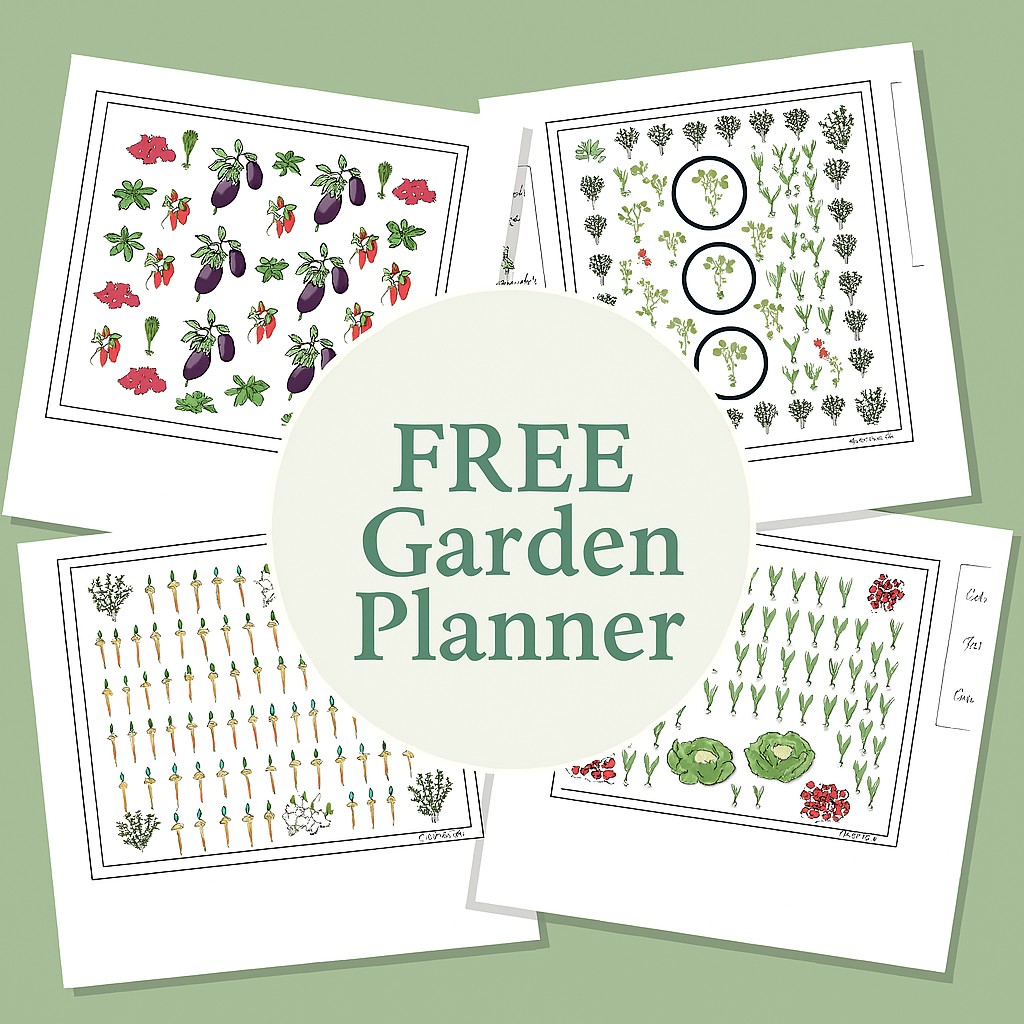
Indoor gardening has emerged as a practical and fulfilling hobby, especially for those residing in small apartments. This practice not only transforms limited spaces into vibrant green havens, but it also contributes to improved mental well-being and environmental health. In urban environments where access to nature is often restricted, cultivating indoor plants offers a unique remedy to the concrete jungle, bringing life and energy into confined living areas.The significance of indoor gardening cannot be overstated.
It enables individuals to harness the benefits of nature without the need for extensive outdoor spaces. Plants are known to purify the air, enhance mood, and increase humidity levels, leading to healthier indoor environments. Moreover, incorporating greenery into your home elevates aesthetics and provides a sense of tranquility. With a plethora of plant types available, it is essential to focus on species that thrive in smaller spaces, ensuring that even the tiniest of apartments can become lush sanctuaries.
Plant Types Suitable for Limited Spaces
When selecting plants for small apartments, certain varieties stand out for their adaptability and low maintenance requirements. These plants can thrive in limited light conditions and don’t require expansive room to grow. Here are some popular options that are perfect for indoor gardening in small apartments:
Succulents: These hardy plants are perfect for beginners. They require minimal watering and can flourish in small pots, making them ideal for window sills or desk spaces.
Snake Plants: Known for their air-purifying qualities, snake plants can tolerate low light and infrequent watering. Their upright growth makes them a space-saving option.
Pothos: This trailing vine can adapt to various light conditions and grows well in hanging baskets or on shelves, adding a striking visual effect to your indoor garden.
Herbs: Growing herbs like basil and mint not only offers fresh additions to your meals but also thrives in compact containers on kitchen counters or windowsills.
Peace Lilies: These beautiful flowering plants are excellent for air purification and can survive in low light, making them perfect for shaded corners of your living space.
Integrating these plants into your home brings numerous advantages. For instance, studies conducted by NASA have shown that specific houseplants can remove up to 87% of volatile organic compounds (VOCs) in just 24 hours. This remarkable ability to purify indoor air contributes greatly to healthier living conditions. Additionally, the convenience of keeping small, manageable plants allows even those with busy lifestyles to enjoy the rewards of indoor gardening without feeling overwhelmed.Plant placement is another crucial factor in maximizing the benefits of indoor gardening.
For example, placing a snake plant near a window can enhance air quality while also creating a focal point in your decor. Similarly, using vertical space by hanging pothos or utilizing tiered plant stands can make a small area feel more inviting and green.
“Indoor gardening not only beautifies your space but also fosters a healthier living environment through air purification and mood enhancement.”
Choosing the Right Plants for Small Apartments
Creating a lush indoor garden in a small apartment doesn't have to be daunting. Selecting the right plants is essential for maximizing your space while ensuring a lively, verdant atmosphere. In this section, we’ll explore low-maintenance indoor plants, highlight varieties that thrive in low light conditions, and examine the size and growth habits of popular small-space plants.
Low-Maintenance Indoor Plants for Small Spaces
Low-maintenance plants are ideal for busy apartment dwellers who want greenery without the hassle of constant care. Here are some excellent choices that thrive in limited spaces and require minimal upkeep:
Snake Plant (Sansevieria): Known for its upright leaves and tolerance to neglect, this plant can thrive on low light and sporadic watering, making it a perfect choice for beginners.
Pothos (Epipremnum aureum): With its cascading vines, pothos is not just beautiful; its ability to tolerate low light and infrequent watering makes it incredibly low-maintenance.
ZZ Plant (Zamioculcas zamiifolia): This hardy plant is perfect for dim corners and can survive on little water, making it ideal for those who travel often or forget to water.
Spider Plant (Chlorophytum comosum): Renowned for its air-purifying properties, the spider plant thrives in indirect light and requires minimal attention.
Plants That Thrive in Low Light Conditions
For small apartments with limited natural sunlight, choosing plants that excel in low light is crucial. These plants will not only survive but flourish in your cozy corners:
Cast Iron Plant (Aspidistra elatior): True to its name, the cast iron plant is incredibly resilient and perfect for dark corners of your apartment.
Chinese Evergreen (Aglaonema): This plant is famous for its striking foliage and can thrive in low light, making it a colorful addition to any space.
Peace Lily (Spathiphyllum): Not only does it bloom in low light conditions, but it also helps purify indoor air, providing both beauty and health benefits.
Fern (various species): Many fern varieties are well-suited for low-light environments, adding a lush, feathery texture to your indoor garden.
Size and Growth Habits of Popular Small-Space Plants
Understanding the size and growth habits of plants helps you make informed choices that fit your space perfectly. Here are some popular options, their growth tendencies, and ideal placements:
Plant Name Typical Size Growth Habit
Snake Plant Up to 4 feet tall Upright and narrow, ideal for corners or narrow shelves.
Pothos Up to 10 feet long (trailing) Cascades beautifully from shelves or hanging planters.
ZZ Plant Up to 3 feet tall Compact and bushy, perfect for tabletops or desks.
Spider Plant Up to 2 feet wide Spreads outward with long leaves, ideal for hanging or tabletop arrangements.
"Choosing the right plants can transform your small apartment into a serene indoor oasis while requiring minimal effort and maintenance."
Creative Indoor Gardening Ideas
Transform your small apartment into a lush oasis with innovative indoor gardening ideas that maximize limited space. From vertical gardens to charming mini-gardens, there are countless ways to bring nature indoors without sacrificing room for living or storage. Discover how to utilize your walls and shelves to create stunning displays that breathe life into your apartment.
Vertical Gardening Techniques
Vertical gardening is an ingenious solution for small spaces, allowing you to grow plants upwards rather than outwards. This method not only saves floor space but also adds a unique aesthetic to your home. Here are some effective vertical gardening techniques to consider:
Wall-mounted Planters: Install planters or pockets directly onto your walls. These can be made of fabric, plastic, or metal, providing a stylish way to showcase herbs, succulents, or flowering plants.
Hanging Planters: Utilize ceiling hooks to suspend plants in decorative pots or macramé hangers. This adds dimension and draws the eye upward, making your space feel larger.
Vertical Garden Systems: Consider investing in pre-designed vertical garden kits, which come complete with planting panels and irrigation systems, allowing for easy setup and maintenance.
Effective Use of Shelves and Wall-mounted Planters, Indoor gardening ideas for small apartments
Shelves and wall-mounted planters are practical solutions for maximizing vertical space and creating a cohesive indoor garden. By strategically placing these elements, you can cultivate a mini-ecosystem that thrives. Here’s how to effectively utilize them:
Layered Shelves: Use tiered shelves to display a variety of plants at different heights. This creates visual interest and ensures each plant receives adequate light.
Floating Shelves: Install floating shelves near windows to take advantage of natural light. They can serve as perfect spots for small herbs or decorative plants.
Modular Planters: Choose wall-mounted planters that can be rearranged or expanded. This allows for flexibility as you experiment with different plant combinations or designs.
Mini-Gardens and Terrariums for Limited Spaces
Mini-gardens and terrariums are perfect for small apartments, providing a beautiful way to enjoy gardening without the need for extensive space. These compact options can be customized to fit any decor and can thrive in various lighting conditions. Explore the benefits of mini-gardens and terrariums:
Terrariums: Create enchanting glass enclosures that house small plants such as ferns, moss, or air plants. The glass provides a mini-ecosystem that requires minimal maintenance.
Desktop Mini-Gardens: Use small containers or bowls to create themed gardens, such as succulent gardens or a fairy garden, which can be placed on tables or shelves.
Creative Containers: Repurpose glass jars, tin cans, or wooden boxes as unique plant holders. This not only saves space but also adds a personal touch to your indoor garden.
Utilizing Space Efficiently
Maximizing your indoor gardening potential in a small apartment requires strategic planning and innovative thinking. With limited floor space, the arrangement of plants can significantly impact their growth and your living environment. Efficient use of space not only enhances the aesthetic appeal of your home but also creates a relaxing atmosphere filled with the joys of nature. Careful plant arrangement ensures that each green companion receives adequate light, while integrating plants into multifunctional furniture can make your living space feel more expansive.
Implementing a thoughtful layout plan will allow you to cultivate a personal indoor garden that Flourishes without overwhelming your space.
Maximizing Light Exposure
The arrangement of plants is pivotal for optimizing light exposure, ensuring that every plant gets the sunlight it needs to thrive. Strategically placing plants can make a significant difference in their growth and overall health.Consider the following techniques for maximizing light exposure:
Place taller plants near windows: Position larger plants, such as fiddle leaf figs or snake plants, close to windows to receive direct sunlight. This allows smaller plants to benefit from the ambient light that filters down.
Utilize shelves and wall-mounted planters: Elevating plants on shelves or using wall-mounted planters increases their exposure to light while freeing up floor space. This creates a stunning vertical garden that draws the eye upward.
Rotate plants regularly: To ensure even growth, rotate your plants every few weeks, allowing all sides to receive light. This simple practice promotes balanced growth and prevents leaning.
Incorporating Multi-Functional Furniture
Creating a harmonious indoor garden in a limited space can be achieved through the use of multi-functional furniture that seamlessly integrates plants into your living area.Some effective strategies include:
Plant stands with storage: Choose plant stands that come with built-in shelves or drawers. These pieces offer an excellent way to display your plants while providing additional storage for gardening supplies or other items.
Dining tables with planters: Consider a dining table that features built-in planters. This unique furniture choice not only adds greenery to your dining area but also serves as a conversation starter.
Ottomans with plant compartments: An ottoman that doubles as a storage box for gardening tools and includes space for a small plant can be a functional and stylish addition to your lounge.
Layout Planning for Indoor Gardening
Designing an efficient layout for your indoor garden is essential to maximize both space and light. A well-thought-out plan can transform a small room into an inviting green sanctuary.When creating your layout, consider the following key points:
Designate zones for different plant types: Create designated areas for herbs, succulents, and flowering plants. This not only organizes the space but also allows for tailored care specific to each plant type.
Use a corner as a green nook: Transform a corner of your room into a lush nook by arranging plants vertically and using furniture to create an inviting atmosphere. This can serve as a perfect reading or relaxation spot.
Implement movable plant carts: A rolling plant cart can be a game-changer for small spaces. It allows you to easily rearrange your plants based on light availability and personal preference, providing flexibility in your indoor garden.
“Efficient use of space can turn any small apartment into a thriving indoor garden, combining function with beauty.”
Indoor Gardening Techniques
Indoor gardening techniques can transform your small apartment into a lush and vibrant green space. Utilizing innovative methods not only enhances aesthetics but also maximizes the use of limited space. This section delves into effective techniques such as hydroponics, container gardening for herbs, and alternative soil options that are perfect for urban dwellers looking to cultivate their green thumb.
Hydroponics in Small Apartments
Hydroponics is a soil-less method of growing plants that relies on nutrient-rich water solutions, making it an ideal choice for small spaces. This technique allows plants to receive the essential nutrients directly through their roots, promoting faster growth and healthier yields.The benefits of hydroponics include:
Space efficiency: Hydroponic systems can be set up vertically or in compact areas, making them perfect for small apartments.
Water conservation: This method uses up to 90% less water than traditional gardening, as water is recirculated within the system.
Pest and disease control: Without soil, there is a reduced risk of soil-borne diseases and pests.
Whether you're growing leafy greens or herbs, hydroponics allows for a clean and efficient gardening experience.
Growing Herbs Indoors Using Containers
Growing herbs indoors is a rewarding endeavor that can enhance your cooking and provide fresh flavors right at your fingertips. Container gardening for herbs not only beautifies your space but also offers the convenience of having fresh herbs readily available.To successfully grow herbs indoors using containers, follow these essential steps:
1. Select the right containers
Choose pots with drainage holes to prevent overwatering. Small to medium-sized pots work well for most herbs.
2. Use quality potting mix
A lightweight, well-draining potting mix enriched with organic matter is ideal for herb growth.
3. Choose suitable herbs
Some excellent choices for indoor herb gardening include basil, mint, rosemary, and parsley, which thrive in limited space.
4. Ensure adequate light
Position your herbs near a south-facing window or use grow lights if natural light is insufficient.
5. Water regularly
Keep the soil moist but not soggy, checking regularly to ensure your herbs are getting the right amount of hydration.
“Fresh herbs can elevate your meals, making every dish a gourmet experience right from your apartment kitchen.”
Soil Alternatives for Indoor Gardening
In small apartments, traditional soil can be bulky and messy, prompting the need for innovative soil alternatives that maximize space and efficiency. Options such as coconut coir, peat moss, and even vermiculite can serve as effective substitutes.Consider these space-saving soil alternatives:
Coconut coir: A sustainable option made from the husk of coconuts, providing excellent aeration and water retention.
Hydroponic mediums: Materials like rock wool or clay pellets are lightweight and ideal for hydroponic systems, minimizing the need for traditional soil.
Peat moss: A highly absorbent material that can be used alone or mixed with other mediums to enhance moisture retention.
By opting for these alternatives, you not only save space but also create a more manageable indoor gardening environment.
Maintenance and Care for Indoor Gardens
Indoor gardening in small apartments requires careful planning and consistent maintenance to ensure that your plants thrive in their confined spaces. Regular care not only keeps your indoor garden looking vibrant but also fosters a healthy environment for your plants. In this section, we will discuss a practical maintenance schedule, identify common pests and diseases, and elaborate on effective watering techniques tailored for small potted plants.
Maintenance Schedule for Indoor Plants
Establishing a maintenance schedule is crucial for promoting healthy growth and preventing issues. Below is a suggested weekly and monthly maintenance routine that can easily fit into your busy life:
Weekly Tasks:
Check soil moisture levels and water accordingly.
Inspect plants for signs of pests or diseases.
Rotate pots to ensure even sunlight exposure.
Monthly Tasks:
Fertilize indoor plants with a balanced, water-soluble fertilizer.
Clean leaves with a damp cloth to remove dust and enhance photosynthesis.
Prune dead or yellowing leaves to promote new growth.
Seasonal Tasks:
Repot plants if they outgrow their containers.
Adjust watering frequency according to seasonal changes.
Common Pests and Diseases Affecting Indoor Plants
Indoor plants are susceptible to various pests and diseases that can hinder their growth. Being able to identify these issues early on is essential for effective treatment. Here are some common pests and their solutions:
Aphids: Small green or black insects that suck plant sap. Solution: Spray with insecticidal soap or neem oil to eliminate them.
Spider Mites: Tiny pests that can cause leaf discoloration. Solution: Increase humidity and apply miticides or insecticidal soap.
Root Rot: Caused by overwatering, leading to fungal growth. Solution: Ensure proper drainage and adjust watering habits.
Powdery Mildew: White fungal growth on leaves. Solution: Improve air circulation and treatment with fungicides.
Watering Techniques for Small Potted Plants
Proper watering is essential for the health of indoor plants, especially in small pots where soil can dry out quickly. Here are effective watering techniques to consider:
Bottom Watering: Place pots in a tray of water for a few hours, allowing soil to absorb moisture from the bottom.
Using a Moisture Meter: These devices help monitor soil moisture levels, ensuring you water only when necessary.
Watering Schedule: Develop a consistent watering schedule based on plant needs, adjusting for seasonal changes.
"A well-maintained indoor garden not only beautifies your space but also purifies the air, making your apartment a healthier place to live."
Indoor Gardening Expert
DIY Indoor Gardening Projects: Indoor Gardening Ideas For Small Apartments
Indoor gardening can be a delightful and rewarding hobby, especially when you embark on do-it-yourself (DIY) projects. These projects not only enhance your living space but also allow you to express your creativity while cultivating a nurturing environment for your plants. Let’s explore some exciting DIY indoor gardening projects that you can easily create, using simple materials and a bit of imagination.
Building a Small Indoor Planter
Creating a small indoor planter is a fantastic way to introduce greenery into your apartment. A DIY wooden planter box can be both functional and aesthetically pleasing. Here’s a step-by-step guide to building one.
1. Materials Needed
Untreated wood planks (such as cedar or pine)
Wood screws
- Drill - Sandpaper
Wood stain or paint (optional)
Potting soil and plants
2. Instructions
Step 1
Cut the wood planks to your desired dimensions, keeping in mind the size of the plants you want to grow.
Step 2
Assemble the pieces into a box shape using wood screws. The dimensions can vary, but a common size is 24 inches long, 12 inches wide, and 12 inches deep.
Step 3
Sand the edges and surfaces to smooth out any rough spots.
Step 4
Optionally, apply wood stain or paint for a personalized touch.
Step 5
Drill a few drainage holes in the bottom.
Step 6
Fill with potting soil and plant your favorites!Building your own planter not only saves money but also gives you a unique piece tailored to your home’s style.
Repurposing Household Items for Gardening
Repurposing everyday household items into gardening tools or containers can be an innovative way to save money and reduce waste. Here are several ideas for items that can be transformed into functional garden accessories.
Old Teacups
Perfect for small succulents or herbs. Simply drill a small hole in the bottom for drainage.
Wine Crates
These make excellent rustic planters and can be stacked to create a vertical garden.
Plastic Bottles
Cut them in half and use the top as a funnel for watering your plants, or turn them into self-watering planters by inverting them.
Tin Cans
Cleaned and painted, they can serve as charming pots for small flowers or herbs. Just remember to punch holes in the bottom for drainage.Using these repurposed items not only adds character to your indoor garden but also helps in reducing landfill waste.
Personalized Plant Markers and Garden Decor
Adding a personal touch to your indoor garden enhances its charm and can help you keep track of your plants. Here are some creative ideas for plant markers and decor:
Painted Rocks
Collect smooth stones and paint the names of your plants on them. This adds a natural look while clearly marking each plant.
Wooden Spoons
Use wooden kitchen spoons; simply paint or write the plant names on the handles. They are both functional and whimsical.
Chalkboard Labels
Purchase small chalkboards and attach them to skewers. You can easily erase and rewrite as you swap plants in and out.
DIY Wall Art
Create a plant-themed gallery by framing pressed leaves or flowers alongside your pots to bring an artistic flair to your indoor space.These personalized markers and decor ideas not only serve a practical purpose but also transform your indoor garden into a unique expression of your personality.
Incorporating Technology in Indoor Gardening
Embracing technology in indoor gardening revolutionizes the way small apartment dwellers care for their green companions. The integration of smart tools and applications not only enhances plant health but also simplifies the gardening process, making it accessible and enjoyable for everyone. From automated watering systems to growth-tracking apps, technology provides innovative solutions to the challenges of indoor gardening in limited spaces.
Smart Gardening Tools for Plant Care
Incorporating smart gardening tools can significantly enhance the plant care routine, especially in small apartments. These devices are designed to simplify monitoring and managing plant health, ensuring that even novice gardeners can cultivate thriving indoor gardens. Some of the most effective tools include:
Smart Sensors: Devices like the Xiaomi MiFlora or Parrot Flower Power monitor soil moisture, temperature, and light levels, providing real-time data on plant health. This information helps in making informed decisions about watering and positioning plants.
Automated Watering Systems: Smart watering systems such as the Blumat or Xiaomi Smart Plant Waterer automatically deliver water to plants, ensuring they receive the right amount without overwatering—a common issue for indoor gardeners.
Smart Grow Lights: Products like the GE Grow Light or Philips Hue Bloom can mimic natural sunlight, promoting optimal growth for indoor plants, especially in low-light conditions. These lights can also be scheduled and adjusted based on the growth phases of various plants.
Plant Care Apps for Reminders and Tracking
Mobile applications designed for plant care are essential tools for maintaining a healthy indoor garden. These apps provide reminders and help track the growth of plants, making it easier to manage plant care efficiently. The benefits of using such applications include:
Care Reminders: Apps like PlantSnap and Gardenia allow users to set tailored reminders based on the specific needs of each plant, ensuring timely watering, fertilizing, and repotting.
Growth Tracking: Applications such as Blossom and My Garden facilitate tracking the growth progress of individual plants, allowing users to document changes over time and make adjustments to care routines.
Community Support: Many plant care apps offer forums or communities where users can share tips, ask questions, and connect with fellow gardening enthusiasts, enhancing the overall experience.
Benefits of Grow Lights in Indoor Gardening
Grow lights play a pivotal role in indoor gardening, particularly in apartments where natural light may be limited. Utilizing these specialized lights brings numerous advantages:
"Grow lights can significantly enhance plant growth, ensuring that indoor gardeners can cultivate a variety of plants regardless of external light conditions."
Increased Photosynthesis: Grow lights emit specific wavelengths of light that mimic sunlight, enabling plants to photosynthesize properly even in low-light environments.
Year-Round Gardening: With grow lights, gardeners can maintain a consistent growing cycle throughout the year, allowing for the cultivation of seasonal plants at any time.
Space Optimization: By using vertical grow light systems, apartment dwellers can maximize space, growing more plants in compact areas without compromising on light quality.
Aesthetic Arrangements and Decor Ideas
Indoor gardening is not just about nurturing plants; it's also an artistic endeavor that can significantly enhance the aesthetic appeal of your apartment. The arrangement of plants can create a lush, inviting atmosphere, transforming your living space into a vibrant oasis. Emphasizing aesthetics alongside plant health can create a harmonious balance that elevates your home's decor.The right arrangement and decor ideas can make your indoor garden a focal point of your living area.
Whether you prefer a minimalist approach or a more eclectic design, the way you style your plants can reflect your personal taste. Consider the following techniques that can complement your apartment's decor while maximizing the visual impact of your indoor garden.
Styling Techniques for Plant Arrangements
Creating aesthetically pleasing plant arrangements involves thoughtful consideration of color, texture, and placement. Here are essential styling techniques to enhance your indoor garden's appeal:
Layering Heights: Utilize varying heights of plants to create dynamic visual interest. Taller plants like snake plants can stand behind shorter ones like succulents, adding depth.
Color Coordination: Group plants with complementary colors. For example, vibrant green ferns can beautifully contrast with colorful flowering plants like bromeliads, contributing to a lively atmosphere.
Textural Variety: Combine plants with different leaf shapes and textures. The glossy leaves of a rubber plant can pair well with the soft, fuzzy leaves of a calathea, enriching the visual experience.
Strategic Grouping: Place plants in clusters to create a lush look. Use decorative pots that match your apartment style—ceramic for a modern look or woven baskets for a rustic feel.
Color Palettes and Themes for Plant Arrangements
Choosing an appropriate color palette is crucial in creating a cohesive look in your indoor garden. The themes of your plant arrangements can vary widely, but some popular palettes include:
Monochromatic: Use different shades of green with white or cream pots to maintain a clean and sophisticated look.
Earth Tones: Incorporate terracotta pots and plants with earthy foliage to create a warm and inviting atmosphere reminiscent of nature.
Bright and Bold: Select colorful flowering plants in vibrant pots to make a statement. Combine yellows, reds, and blues to evoke a cheerful ambiance.
Minimalist: Use a limited color palette of whites, blacks, and greens for a sleek and modern feel, ideal for contemporary apartments.
Importance of Plant Placement in Living Space Ambiance
The placement of plants plays a vital role in enhancing the overall ambiance of your living space. Strategic plant placement can improve air quality, provide a sense of tranquility, and create a welcoming environment. Consider these aspects when positioning your plants:
Natural Light: Position light-loving plants near windows to ensure they thrive while illuminating your space with natural beauty.
Utilizing Corners: Fill empty corners with tall plants to draw the eye upward, making the space feel larger and more inviting.
Table Centerpieces: Use smaller plants as centerpieces on coffee tables or dining tables to create a warm and inviting atmosphere for gatherings.
Functional Spaces: Incorporate plants in functional areas like home offices or kitchens to add life and color, making these spaces more enjoyable.
“The right plants in the right places not only beautify your home but also enhance your wellbeing.”
Question & Answer Hub
What are the best plants for low light conditions?
Some of the best plants for low light conditions include snake plants, pothos, and peace lilies, which thrive with minimal sunlight.
How often should I water my indoor plants?
Watering frequency varies by plant type, but a general rule is to check the soil moisture; water when the top inch feels dry.
Can I grow herbs indoors?
Yes, many herbs such as basil, mint, and parsley can be successfully grown indoors on a sunny windowsill or under grow lights.
What is hydroponics and can I use it in small apartments?
Hydroponics is a soil-less growing method that can be ideal for small apartments, allowing you to grow plants in compact systems.
How can I create a mini-garden in my apartment?
To create a mini-garden, consider using small containers, vertical planters, or even terrariums to maximize limited space creatively.