Step-by-Step Guide to Restoring Old Furniture at Home sets the stage for an exciting journey into the art of furniture restoration, where creativity meets craftsmanship. Dive into a world where old meets new, breathing life back into cherished pieces that tell stories of the past. Whether you're a seasoned DIY enthusiast or a curious beginner, this guide will equip you with the essential knowledge and skills to transform worn-out furniture into stunning focal points for your home.
From preparation and cleaning to upholstery restoration and final touches, each step is designed to empower you with confidence and inspiration. You'll discover how to assess damage, select the right materials, and apply finishes that elevate the beauty of your furniture. Get ready to unleash your inner designer and make your living space a reflection of your unique style!
Preparation for Restoring Old Furniture
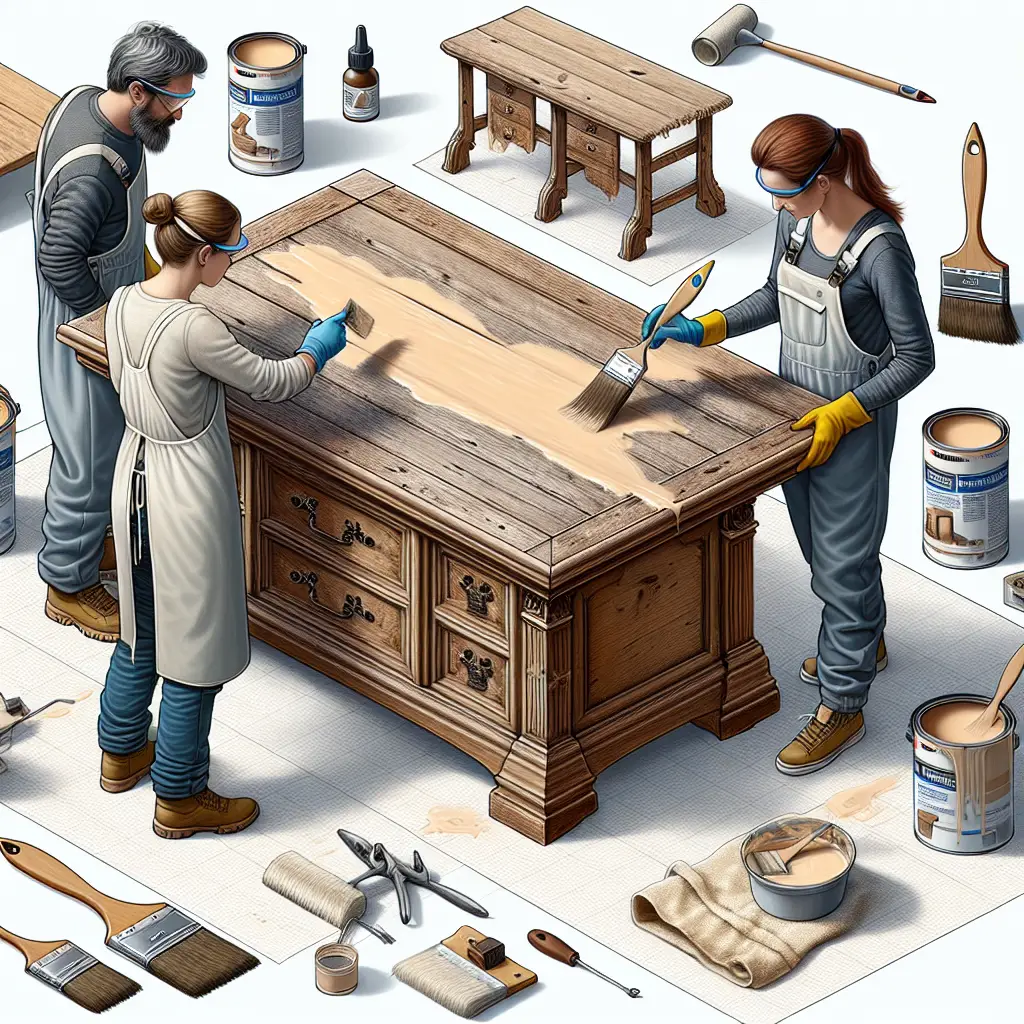
Restoring old furniture is a fulfilling endeavor that not only revives the beauty of cherished pieces but also adds a personal touch to your home décor. Before diving into the restoration process, proper preparation is essential to ensure a successful outcome. This involves identifying the furniture type and condition, gathering the necessary tools and materials, and taking safety precautions to protect yourself during the project.Identifying the type and condition of furniture is crucial to determining the appropriate restoration methods.
Different types of materials, such as wood, metal, or upholstered fabrics, require specific techniques and care. Inspecting the furniture carefully will help you assess its structural integrity and surface condition, allowing you to decide if it requires repairs, refinishing, or simply a good cleaning.
Gather Necessary Tools and Materials
Before starting the restoration process, it's important to gather all necessary tools and materials that will help streamline your work. The right tools not only make the restoration easier but also improve the quality of the final result.Here’s a comprehensive list of essential items to consider:
Sandpaper: Various grits for smoothing surfaces.
Paint or Wood Stain: Choose high-quality products suited for the material.
Brushes and Rollers: For even application of paint or stain.
Wood Glue: For repairing joints or cracks.
Cloths: Rags for cleaning and applying finishes.
Protective Gear: Gloves, goggles, and masks for safety.
Tools: Screwdrivers, hammers, pliers, and a saw for repairs.
Having these items ready will ensure that you can tackle any challenges that arise during the restoration process without unnecessary delays.
Safety Precautions While Working with Old Furniture
When restoring old furniture, safety should always be a top priority. Working with vintage pieces can sometimes expose you to hazardous materials or sharp edges. Implementing safety precautions will help protect you throughout the restoration process.Consider the following safety measures to ensure a safe working environment:
Use Protective Gear: Always wear gloves, goggles, and masks, especially when sanding or using chemical products.
Work in a Ventilated Area: Ensure good airflow to avoid inhaling fumes from paints or finishes.
Check for Lead Paint: If the furniture is older, test for lead paint before sanding or stripping.
Handle Tools with Care: Follow proper techniques when using tools to prevent injuries.
Keep the Workspace Organized: A clutter-free area minimizes the risk of accidents.
Implementing these safety measures will not only protect your well-being but also help you focus on achieving the best results in your furniture restoration project.
Cleaning and Assessing Damage
A thorough cleaning and assessment of your furniture is an essential first step in the restoration process. This ensures that you properly understand the condition of the piece and can effectively plan your restoration approach. Cleaning not only enhances the appearance but also reveals hidden damages that may need attention. To begin, it is important to use the right cleaning methods to avoid causing further damage to the furniture.
The following tips will help you clean your furniture effectively while preparing it for restoration.
Methods for Cleaning Furniture
Cleaning your furniture prepares it for restoration by removing dirt, grease, and grime. Here are some effective cleaning methods tailored to different types of furniture:
Wood Furniture: Use a soft cloth dipped in a mixture of mild soap and water. Wipe gently, then dry immediately to prevent water damage. For tough stains, consider using a specialized wood cleaner that nourishes the wood while removing grime.
Upholstered Furniture: Vacuum the upholstery thoroughly with a brush attachment to remove dust and debris. Spot clean stains with a fabric cleaner or a mix of vinegar and water. Always test on a hidden area first.
Metal Furniture: Use a mixture of warm water and dish soap to clean metal surfaces. For rust, apply a solution of vinegar or lemon juice and let it sit before scrubbing with fine steel wool.
Assessing Structural and Cosmetic Damage
Once the furniture is clean, it's time to assess any damage. This assessment helps in determining the necessary repairs and restoration techniques. Begin by looking for obvious cosmetic issues like scratches, dents, or discoloration. Structural damage can be more subtle but equally important to identify. Here are the key areas to examine:
Check for Loose Joints: Wiggle the joints to see if they feel unstable. Tighten if necessary, and consider using wood glue for repairs.
Inspect for Cracks and Splits: Look closely at the wood for any visible cracks, especially at stress points. These may require filling with epoxy or adhesive.
Examine the Finish: Assess the condition of the finish. Look for peeling, bubbling, or discoloration that indicates the need for refinishing.
“A thorough assessment of both structural and cosmetic damage is crucial for a successful restoration project.”
Techniques for Removing Old Paint or Finishes Safely
Removing old paint or finishes is often necessary to restore the original beauty of the furniture. However, it must be done carefully to avoid damaging the underlying material. Here are some safe techniques for removal:
Heat Gun Method: Using a heat gun, gently heat the paint until it bubbles. Scrape it off with a putty knife while being careful not to scorch the wood.
Chemical Strippers: Apply a non-toxic chemical stripper according to the manufacturer's instructions. Allow it to penetrate for the recommended time before scraping off the old finish.
Sanding: For stubborn finishes, sanding may be required. Start with coarse sandpaper to remove the bulk of the finish, then switch to finer grit for a smooth surface.
“Always wear protective gear, including gloves and a mask, when using chemical strippers or sanding.”
Repairing Structural Issues: Step-by-Step Guide To Restoring Old Furniture At Home
Restoring old furniture often involves tackling structural issues to ensure longevity and stability. In this section, we will explore crucial steps to fix loose joints, replace missing hardware, and reinforce fragile parts of your beloved pieces. By following these guidelines, you can enhance the durability and functionality of your restored furniture while preserving its charm.
Fixing Loose Joints and Unstable Parts
Loose joints are a common problem in old furniture, leading to instability and potential further damage. Addressing these issues is essential for maintaining the structural integrity of the piece. Follow these steps to repair loose joints:
1. Identify the Problematic Joints
Examine the joints for gaps or movement. Common areas include chair legs, table corners, and drawer joints.
2. Disassemble the Joint
Carefully take apart the joint using a chisel or hammer to avoid damaging the surrounding wood.
3. Clean the Joint
Remove old glue, dirt, and debris to ensure a proper bond when reassembling.
4. Apply Wood Glue
Use high-quality wood glue specifically designed for furniture repairs. Apply an even layer on both surfaces of the joint.
5. Clamp the Joint
Secure the joint with clamps and allow the glue to dry for the recommended time. This step is crucial for achieving a strong bond.
Properly repaired joints can restore the strength of your furniture, making it safe and usable for years to come.
Replacing Missing Hardware or Components
Old furniture often comes with missing hardware or components, which can compromise its functionality. Whether it’s a missing screw, hinge, or drawer pull, replacing these items is vital for restoring your furniture to its former glory. Here’s how to effectively replace missing hardware:
1. Assess the Missing Pieces
Determine what hardware needs replacement. Take note of the size, shape, and style to ensure you find suitable replacements.
2. Visit a Hardware Store or Online Retailer
Look for replacement parts that match the original specifications. Specialty hardware stores may carry vintage or hard-to-find items.
3. Install the New Hardware
Align the new hardware with the existing holes and secure it in place using the appropriate tools. Use pilot holes if necessary to prevent splitting.
4. Test Functionality
Check that all moving parts operate smoothly after installation to ensure proper function.
Using authentic or high-quality replacements not only improves functionality but also preserves the aesthetic value of your furniture.
Reinforcing Fragile Sections of the Furniture
Reinforcing fragile areas of furniture is essential to prevent further damage and enhance stability. Fragile sections are often found in areas that bear weight or experience frequent use. Here’s how to reinforce these areas:
1. Identify Weak Spots
Look for cracks, warps, or thin areas that need reinforcement. Pay special attention to legs, arms, and backs of chairs or tables.
2. Use Corner Braces or Dowels
For added support, consider using corner braces or dowels in vulnerable areas. Corner braces can provide additional stability to corners, while dowels can strengthen joints.
3. Apply Wood Consolidant
For cracked or brittle wood, a wood consolidant can help stabilize and restore the integrity of the material. Follow the manufacturer’s instructions for application.
4. Add Structural Supports
In some cases, adding wooden blocks or braces underneath a tabletop or within the frame can provide the needed support to fragile sections.
Reinforcing weak points not only extends the life of the furniture but also improves its overall safety and usability.
Sanding and Surface Preparation
Preparing your old furniture for refinishing is a critical step that can make all the difference in the final product. Sanding not only smooths out imperfections but also ensures that the new finish adheres properly. This phase of restoration will set the stage for a beautiful, durable result that revives the character of your treasured pieces.Different types of sandpaper serve distinct purposes in the sanding process.
From rough grits that tackle stubborn finishes to fine grits that yield a silky smooth surface, understanding these options is essential. Generally, sandpaper is categorized by grit size; the lower the number, the coarser the paper. For example, 40 to 60 grit sandpaper is ideal for removing old paint or varnish, while 120 to 220 grit is perfect for smoothing surfaces before applying a new finish.
Types of Sandpaper and Their Uses
Selecting the right sandpaper is crucial for efficient sanding. Here are the common types you’ll encounter:
Coarse Grit (40-60): This grit is perfect for stripping away old finishes and addressing deep scratches. Use it when you need to remove significant material.
Medium Grit (80-120): Ideal for smoothing out the surface after coarse sanding. It helps to blend areas that have been filled with wood putty or glue.
Fine Grit (150-220): This grit level is used for final sanding before applying a finish. It creates a smooth, ready-to-finish surface that enhances the appearance of your furniture.
Extra Fine Grit (320 and up): Useful for sanding between finish coats, this grit ensures a flawless, polished surface.
The sanding process requires patience and attention to detail. Begin by selecting the appropriate grit for your task and attach it to a sanding block or orbital sander. When sanding, always move with the grain of the wood to avoid creating scratches that could mar the appearance of the finished product. Use even pressure and ensure consistent movement to achieve a uniform surface.
Step-by-Step Guide to Preparing the Surface for Refinishing
To ensure that your furniture is properly prepared for refinishing, follow this systematic approach:
1. Choose the Right Sandpaper
Select the initial grit based on the condition of the existing finish.
2. Set Up Your Work Area
Ensure you have ample space, good lighting, and protective gear, including a mask and goggles.
3. Begin with Coarse Grit
Start sanding with coarse grit sandpaper to remove the old finish. Work in small sections, applying even pressure.
4. Switch to Medium Grit
After removing the old finish, transition to medium grit sandpaper to smooth out the surface and refine any rough areas.
5. Finish with Fine Grit
Use fine grit sandpaper for the final sanding pass. This will prepare the surface for the new finish and eliminate any lingering scratches.
6. Clean the Surface
After sanding, thoroughly clean the surface to remove all dust and debris. A tack cloth or a damp rag works well for this purpose.
7. Inspect the Surface
Check for any areas that may need additional sanding and address them before applying your chosen finish.
“A well-sanded surface is the foundation of a beautiful finish.”
With careful sanding and surface preparation, your old furniture can regain its former glory, providing a stunning backdrop for any space in your home. The right techniques and tools will not only enhance the aesthetic appeal but also ensure longevity in your restoration efforts.
Refinishing Options
Choosing the right finish for your restored furniture can significantly affect its appearance, durability, and feel. With a plethora of options available, it's crucial to understand the unique characteristics, applications, and benefits of stains, paints, and sealants. This section will guide you through various refinishing options to ensure your furniture shines.
Comparison of Finishes
Understanding the various finishing options helps in making an informed decision based on the furniture type and desired outcome. Below is a detailed comparison of stains, paints, and sealants.
Stains: Ideal for enhancing the natural beauty of wood, stains penetrate the surface and highlight grain patterns. They come in oil-based and water-based varieties, allowing for different looks and drying times. Oil-based stains generally provide a richer color and longer drying time, while water-based stains are quicker to apply and clean up.
Paint: Perfect for those seeking a bold transformation, paint provides a solid color finish that obscures the wood grain. Available in various formulations, including chalk, acrylic, and latex paints, they offer different levels of sheen and durability. Chalk paint gives a vintage look with a matte finish, whereas acrylic provides a more durable, washable surface.
Sealants: A critical final step in protecting your refinished furniture, sealants come in several types, including polyurethane, varnish, and shellac. Polyurethane is highly durable and water-resistant, making it suitable for frequently used pieces, while shellac offers a more natural finish but is less resistant to water and heat.
Application Methods for Finishes
The method of application can dramatically influence the result of your refinishing project. Each finishing type has its specific techniques to ensure a flawless finish.
Stain Application:
-Prepare the surface by sanding it smooth.
-Use a clean cloth or brush to apply the stain in the direction of the grain.
-Wipe off excess stain after a few minutes to achieve the desired depth of color.
Paint Application:
-Ensure the surface is clean and primed if necessary.
-Use a high-quality brush or roller to apply paint evenly.
-For a smooth finish, consider using multiple thin coats, allowing adequate drying time between applications.
Sealant Application:
-Once the stain or paint has dried completely, apply a sealant using a brush or foam applicator.
-Follow the manufacturer's instructions for drying time and the number of coats required for optimal protection.
Drying Times and Application Tips
Understanding the drying times and best practices for each finish not only ensures a successful refinishing project but also helps in planning your workflow. The following chart summarizes drying times and application tips:
Finish Type Average Drying Time Application Tips
Oil-based Stain 6-8 hours Use mineral spirits for cleanup; work in a well-ventilated area.
Water-based Stain 1-2 hours Clean brushes with soap and water; ideal for indoor use.
Chalk Paint 1-2 hours Consider sealing with a wax finish for added durability.
Acrylic Paint 1-2 hours Use a primer for best adhesion on challenging surfaces.
Polyurethane Sealant 4-6 hours Sand lightly between coats for a smooth finish.
Shellac 30 minutes Best applied in thin layers; can be re-coated quickly.
Choosing the right finish is essential for achieving both aesthetic and functional longevity in your restored furniture.
Upholstery Restoration
Revamping the upholstery of your old furniture can breathe new life into it, transforming tired and worn-out pieces into stunning focal points of your home. This process not only enhances the appearance of your furniture but also ensures comfort and durability. Let's delve into the essentials of upholstery restoration, from gathering materials to selecting the perfect fabric for a fresh new look.
Materials Needed for Reupholstering Furniture
Before embarking on your upholstery restoration journey, it's vital to gather the necessary materials. Having everything on hand will streamline the process and help you achieve professional results. Essential items include:
Upholstery Fabric: Choose a durable fabric that complements your style.
Batting: This adds cushioning and softness to the finished piece.
Staple Gun and Staples: Essential for attaching the new fabric securely.
Scissors: A good pair will help in cutting fabric and batting accurately.
Upholstery Tack Hammer: This helps drive in tacks without damaging the fabric.
Screwdriver: Necessary for removing the old upholstery and reassembling the furniture.
Measuring Tape: Accurate measurements ensure that the fabric fits perfectly.
Adhesive Spray: Useful for securing batting or fabric in place during assembly.
Removing Old Upholstery
The initial step in upholstery restoration involves stripping the old covering to expose the original frame. This process is crucial for assessing the condition of the furniture and preparing it for a fresh look. Follow these steps carefully:
Turn the Furniture Upside Down: Ensure you have a clear workspace.
Remove the Dust Cover: If applicable, detach the dust cover to access the underlying upholstery.
Cut Away Old Fabric: Use scissors to carefully cut away the old fabric, taking care not to damage the underlying layers.
Take Notes or Photos: Document the way the old upholstery was attached, as this will guide your reupholstering process.
Remove Old Padding and Batting: Dispose of worn-out materials and inspect the furniture structure for any repairs needed.
Selecting New Fabrics and Patterns, Step-by-Step Guide to Restoring Old Furniture at Home
Choosing the right fabric is pivotal in achieving the desired outcome for your upholstered furniture. Consider the following guidelines when selecting new fabrics and patterns:
Durability: Opt for materials that withstand wear and tear; consider upholstery-grade fabrics.
Color and Pattern: Select hues and designs that complement your existing decor and reflect your personal style.
Texture: Think about the tactile quality; smooth fabrics like silk offer elegance, while textured fabrics like velour provide warmth.
Maintenance: Consider fabrics that are easy to clean and maintain, especially if the furniture will be used frequently.
Comfort: Ensure the fabric feels comfortable against the skin, especially for seating areas.
"Choosing the right upholstery fabric is as vital as the restoration process itself; it determines the longevity and aesthetic appeal of your furniture."
Final Touches and Maintenance
Restoring old furniture is a labor of love that culminates in a piece that not only adds character to your home but also serves practical purposes. As you complete your restoration project, it’s vital to implement the final touches that will enhance the beauty of the furniture and ensure its longevity. This section will guide you through polishing techniques, ongoing maintenance practices, and styling tips for showcasing your restored treasures.
Polishing and Protecting Restored Furniture
After the hard work of restoration, applying the right finish is essential to protect your furniture and give it that final shine. A few effective techniques include:
Waxing: Using a high-quality furniture wax can provide a soft sheen while safeguarding the surface. Apply with a clean cloth in circular motions, allowing it to set before buffing for a smooth finish.
Oil Finishes: For wood pieces, options like Danish oil or tung oil penetrate the wood, enhancing grain visibility and providing a durable layer of protection. Reapply every few months for sustained luster.
Polyurethane Coating: For pieces that experience heavy use, a clear polyurethane coating offers excellent resistance to scratches and moisture. Consider applying multiple thin layers for optimal durability.
“A well-polished piece can transform the ambiance of a room, reflecting the craftsmanship of your restoration efforts.”
Ongoing Maintenance Practices
Maintaining restored furniture is just as important as the restoration process itself. Regular care helps preserve the integrity and appearance of your cherished pieces.Key maintenance practices include:
Regular Dusting: Use a microfiber cloth weekly to remove dust and prevent buildup, which can damage finishes over time.
Immediate Spill Response: Wipe up any spills immediately to avoid staining and warping. Use a damp cloth and a mild soap solution if necessary.
Seasonal Checks: Every few months, check for signs of wear, such as loose joints or scratches, and address them promptly to prevent bigger issues.
Styling and Displaying Restored Furniture
Once your furniture is restored, it deserves to be showcased in a way that highlights its beauty and craftsmanship. Thoughtful styling can elevate the piece and enhance your home decor.Consider these tips for effective display:
Complementary Accessories: Use decor items that match or contrast with the furniture’s color and style. For instance, a vintage wooden chair pairs beautifully with a modern metal table.
Lighting: Position restored pieces near natural light to highlight their features. Soft lighting can also create a warm and inviting atmosphere.
Functional Arrangements: Think about how the furniture can serve your daily needs while being visually appealing. Grouping furniture in conversation areas promotes both function and aesthetics.
“The art of displaying restored furniture lies in its ability to tell a story while enhancing the overall harmony of your home.”
Query Resolution
What tools do I need to restore old furniture?
You will need basic tools such as sandpaper, paintbrushes, a hammer, a screwdriver, and safety gear like gloves and goggles.
How do I know if my furniture is worth restoring?
Consider the furniture's condition, historical value, and your emotional attachment. If it can be repaired and holds significance, it's worth restoring.
Can I paint over old finishes?
Yes, but it's important to properly prepare the surface by cleaning and sanding it to ensure the new paint adheres well.
How long does the restoration process take?
The timeframe varies based on the damage and complexity of the piece; expect anywhere from a few days to several weeks.
What types of finishes are best for furniture?
Popular finishes include stains, paints, and sealants; the best choice depends on the desired look and use of the furniture.