How to choose the best tools for productivity is your gateway to unlocking unparalleled efficiency in your work life. In a world where time is of the essence, having the right productivity tools can significantly impact your output and overall success. These tools are designed to streamline tasks, assist in time management, and enhance collaboration, allowing you to focus on what truly matters.
From time management apps to project management software, the right productivity tools can elevate your daily routine. It's essential to understand not only the various types of tools available but also how to assess your personal needs to find the perfect match for your workflow. Join us as we explore the essential steps to selecting the best productivity tools tailored just for you.
Importance of Productivity Tools
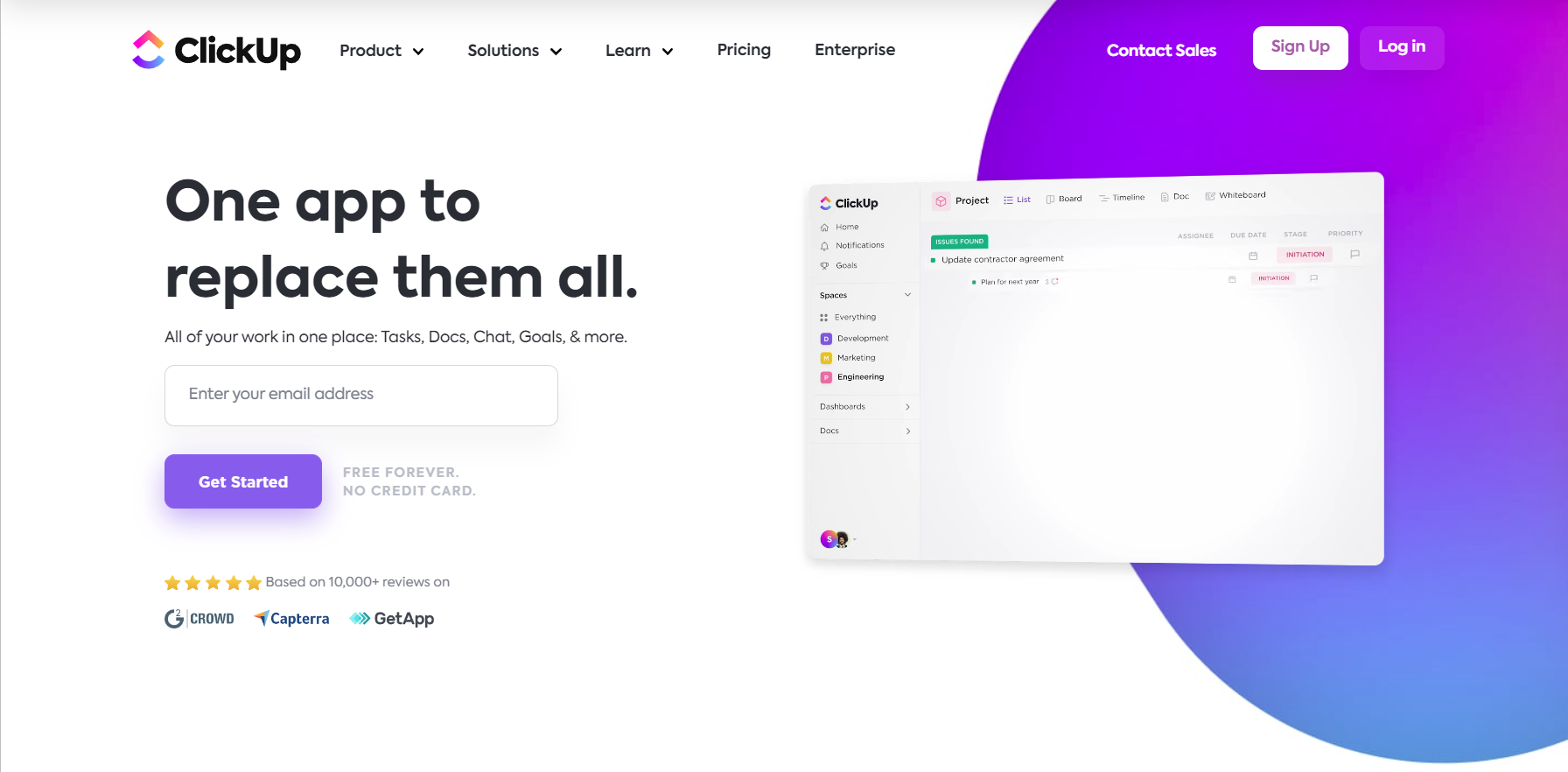
In today's fast-paced work environment, the significance of productivity tools cannot be overstated. These tools are designed to enhance efficiency, streamline processes, and facilitate better time management, allowing individuals and teams to focus on what truly matters—achieving goals and driving results.Research shows that effective productivity tools have a substantial impact on overall productivity levels. According to a study by the McKinsey Global Institute, the use of digital communication tools can increase productivity by up to 25%.
Furthermore, organizations that embrace project management software report a 20% increase in on-time project completion rates. These statistics highlight the crucial role that productivity tools play in optimizing work performance and promoting successful outcomes.
Streamlining Tasks and Improving Time Management
Productivity tools are essential for managing tasks efficiently and ensuring that time is well spent. They allow individuals to organize their workload, prioritize tasks, and monitor progress seamlessly. The following points illustrate how productivity tools can transform the way tasks are handled:
- Task Management: Tools such as Trello and Asana provide intuitive interfaces for tracking tasks, deadlines, and responsibilities, which helps prevent projects from falling behind schedule.
- Collaboration: Platforms like Slack and Microsoft Teams facilitate real-time communication, enabling teams to collaborate effectively and resolve issues promptly.
- Time Tracking: Time management solutions such as Toggl and Harvest allow users to track work hours and analyze productivity trends, leading to better time allocation and reduced overworking.
- Automation: Tools like Zapier automate repetitive tasks, freeing up valuable time for more strategic activities and enhancing overall efficiency.
The integration of these tools into daily workflows not only streamlines operations but also cultivates an environment where productivity can flourish. Adopting the right set of tools can lead to significant improvements in both individual performance and team dynamics.
Effective productivity tools are not just optional; they are essential for maximizing performance and achieving organizational goals.
Types of Productivity Tools
Productivity tools come in various forms and serve different purposes, enhancing our ability to manage time, projects, and collaboration effectively. Understanding the categories of these tools is crucial for selecting the right ones that align with your specific needs, whether you are an individual, a student, or part of a larger organization.The landscape of productivity tools can be broadly categorized into three main types: time management tools, project management tools, and collaboration tools.
Each category offers unique features that cater to different aspects of productivity. Below, we will explore these categories in detail, highlighting examples of tools and their key features.
Categories of Productivity Tools
Understanding the various categories of productivity tools helps streamline the selection process. Below is a breakdown of the main types, complete with examples and notable features.
| Category | Examples | Key Features |
|---|---|---|
| Time Management Tools | Todoist, RescueTime, Clockify | Task tracking, time tracking, deadline reminders |
| Project Management Tools | Trello, Asana, Monday.com | Task assignment, progress tracking, timeline visualization |
| Collaboration Tools | Slack, Microsoft Teams, Google Workspace | Real-time messaging, file sharing, video conferencing |
The difference between digital and physical productivity tools is significant. Digital tools offer flexibility, cloud access, and integration with other software, allowing for real-time updates and collaboration. For instance, digital calendars sync across devices, providing reminders and accessibility from anywhere. In contrast, physical tools, such as planners and notebooks, allow for tangibility and can enhance memory retention through manual writing.
"Choosing the right type of productivity tool can transform not just your efficiency but also your overall work experience."
Both digital and physical productivity tools have their place, depending on user preferences and work styles. While digital tools tend to dominate modern workflows with their convenience and feature-rich environments, the charm of physical tools remains popular among those who appreciate a more tactile, distraction-free approach to organization.
Analyzing Personal Needs
Understanding personal productivity challenges is the cornerstone of selecting the most effective tools. Each individual has unique preferences, work styles, and challenges that can significantly influence their productivity. By assessing these factors, one can identify the right tools that not only enhance efficiency but also align with personal or team goals.To effectively analyze personal needs, begin with a comprehensive evaluation of your current productivity habits.
This exercise will help to identify areas of improvement and prioritize the features that tools should offer. Below is a checklist designed to aid in assessing your work habits and preferences.
Checklist for Evaluating Work Habits and Preferences
This checklist serves as a guide for individuals to pinpoint their specific productivity challenges and requirements. Working through these items will provide clarity on what tools best fit your needs.
- Identify your primary productivity challenges (e.g., time management, task prioritization, collaboration).
- Assess your preferred working environment (e.g., remote, in-office, hybrid).
- Determine the types of tasks you engage in most frequently (e.g., project management, communication, scheduling).
- Reflect on past tools that have worked well and those that have not, identifying what features contributed to their effectiveness or ineffectiveness.
- Consider your collaboration requirements with team members or stakeholders (e.g., real-time updates, shared calendars).
Prioritizing features in productivity tools based on personal or team requirements is essential for maximizing their utility. Below are strategies to help you determine which features matter most.
Methods for Prioritizing Features
When choosing productivity tools, it is crucial to focus on features that will directly enhance your ability to work efficiently. The following methods can assist in prioritizing these features effectively:
- Rank features based on frequency of use: Identify which functionalities you will utilize most often and prioritize those in your selection process.
- Evaluate impact on productivity: Assess how each feature can enhance your productivity levels and consider tools that offer the highest return on investment.
- Seek feedback from peers: Engage with colleagues to understand which features they find beneficial, as shared experiences can provide insights into effective tools.
- Test tools through trial versions: Many productivity tools offer free trials, allowing you to experiment with features firsthand before making a commitment.
"Understanding your unique work habits is key to selecting productivity tools that not only fit your needs but also enhance your workflow efficiency."
Evaluating Tool Features
In the quest for enhanced productivity, the right tools can make all the difference. Evaluating the features of various productivity tools is essential for ensuring that you select the best options tailored to your needs. Understanding which features are essential versus those that are simply nice to have can guide you in making an informed decision.When analyzing productivity tools, certain features stand out as fundamental to enhancing your workflow.
These features can significantly influence how efficiently you manage your tasks, collaborate with others, and streamline your daily operations. Below is a breakdown of must-have features alongside those considered nice-to-have.
Essential versus Nice-to-Have Features
The distinction between essential and nice-to-have features can often determine the effectiveness of a productivity tool. Recognizing this difference is crucial for selecting the right tool.
- Must-Have Features:
- Task Management: Essential for organizing and prioritizing tasks efficiently.
- Collaboration Tools: Facilitate teamwork through shared access to projects and tasks.
- Cross-Platform Compatibility: Allows access across various devices and operating systems.
- Time Tracking: Helps in monitoring time spent on tasks, enhancing time management.
- Integrations: Ability to connect with other tools and software to streamline workflows.
- Nice-to-Have Features:
- Customizable Templates: Provides flexibility in setting up tasks according to personal preferences.
- Mobile App: Access to productivity tools on-the-go can be convenient, but not necessary for everyone.
- Advanced Analytics: Offers insights into productivity trends, though basic tracking may suffice for many users.
- Gamification Elements: Adds fun and motivation, but is not critical for effectiveness.
- AI Assistance: Provides suggestions and insights, but may not be vital for all users.
The user interface (UI) and user experience (UX) of productivity tools play a pivotal role in their overall effectiveness. A clean, intuitive UI allows users to navigate seamlessly, reducing the learning curve and increasing user satisfaction. A well-designed UX ensures that tasks can be completed quickly and efficiently, fostering a more productive environment.
“The best productivity tools not only offer essential features but also provide an engaging and easy-to-use interface that enhances the overall experience.”
When evaluating productivity tools, it’s essential to prioritize those that provide a balance of robust features and a user-friendly design. A poor UI can lead to frustration, while an outstanding UX can transform your daily operations into a smooth and enjoyable process.
Budget Considerations
Creating a budget for productivity tools is essential for maximizing your investment and ensuring that the tools you choose align with your financial capabilities. A well-planned budget allows you to evaluate the costs against the benefits, ultimately aiding in the selection of the most effective tools for your productivity needs.Budgeting for productivity tools involves analyzing your current expenses and projected needs.
Start by determining how much you can allocate for these tools on a monthly or yearly basis. Consider both direct costs (subscriptions, one-time purchases) and indirect costs (training, maintenance). This financial framework helps guide your choices between free and premium tools, ensuring you find the best fit without overspending.
Free Versus Paid Tools
When evaluating productivity tools, it’s crucial to understand the differences between free and paid options, as they often come with varying levels of functionality and support. Free tools offer a great starting point for individuals or small teams, while premium tools often provide advanced features and better integration capabilities.Free tools, such as Trello for project management or Google Keep for note-taking, are excellent for basic tasks.
However, they may have limitations in terms of collaboration features, storage space, and customer support. For instance, Trello’s free version allows for unlimited boards but limits the number of power-ups (integrations) that can be used simultaneously.Conversely, paid tools like Asana or Notion offer a richer set of features designed for serious productivity enhancement. Asana’s premium plan includes advanced reporting, timeline views, and priority support, making it ideal for larger teams needing to manage complex projects effectively.
The investment in such tools can streamline workflows and significantly increase efficiency.
Cost-Benefit Analysis of Premium Tools
Investing in premium productivity tools can appear daunting at first glance, but a long-term cost-benefit analysis often reveals the value they bring. Premium tools not only save time but also enhance collaboration and communication among team members, leading to increased overall productivity.Consider a scenario where a business opts for a premium project management software with a monthly fee of $10 per user.
If this tool improves project delivery time by just one week per project, and the company typically manages 10 projects per month, the time saved can lead to accelerated revenue generation. With premium tools, companies can also reduce the time spent on administrative tasks due to automation and better organization.The key takeaway is to view premium software as an investment rather than an expense.
“A small investment in a premium tool can yield significant returns in efficiency and productivity over time.”
By analyzing the potential growth and savings associated with using these tools, businesses can make informed decisions that lead to sustainable growth and success.
Trial and Feedback
When it comes to selecting the right productivity tools, conducting trials and gathering feedback is essential. This process allows users to experience the tools firsthand and assess their effectiveness in meeting individual or team needs. By evaluating their experiences, you can make informed decisions that enhance productivity and streamline workflows.To effectively conduct trials of various productivity tools, follow these strategic steps that ensure comprehensive evaluation and user involvement:
Steps for Conducting Trials, How to choose the best tools for productivity
Implementing a structured approach to trials can significantly improve your selection process. Below are the recommended steps to take when testing productivity tools:
1. Select Tools for Trial
Identify a shortlist of productivity tools that align with your goals and requirements. This can include apps for task management, time tracking, or collaboration.
2. Set a Trial Period
Define a specific timeframe for the trial, ideally ranging from one week to a month, to allow ample time for exploration and use.
3. Establish Use Cases
Determine clear scenarios in which the tools will be used. This helps users understand how to integrate the tools into their daily routines effectively.
4. Invite User Participation
Involve a group of users who will actively test the selected tools. Their diverse perspectives will provide valuable insights.
5. Monitor Usage
Track how often and in what ways users engage with the tools. This data can highlight features that are particularly useful or those that may be lacking.
6. Collect Feedback
After the trial period, gather feedback through surveys or discussions to understand user experiences, challenges, and suggestions.Collecting feedback is a vital component of refining your tool choices based on user experiences. A well-structured feedback mechanism can provide clarity on which tools meet needs and which do not.
Template for Collecting Feedback
Having a structured template for user feedback can streamline the data collection process. Here's an effective template to use after testing productivity tools:
User Name
[Enter Name]
Tool Name
[Enter Tool Name]
Trial Duration
[Enter Duration]
Usage Frequency
[Daily/Weekly/Occasionally]
Key Features Used
[List Features]
Overall Satisfaction
[Rating Scale 1-5]
What did you like most about the tool?
[Open-ended Response]
What challenges did you face?
[Open-ended Response]
Would you recommend this tool to others?
[Yes/No]
Additional Comments or Suggestions
[Open-ended Response]This template ensures user input is focused and covers all necessary aspects of their experience, allowing for easy analysis of the gathered data.
Refining Tool Choices Based on User Experiences
Utilizing the feedback collected from users is crucial for making informed decisions about which productivity tools to adopt. Consider the following strategies to refine your choices:
Identify Common Feedback Trends
Analyze the responses for recurring themes or critiques. If multiple users highlight the same issue, it may warrant further investigation.
Prioritize Features
Focus on the features that users found most beneficial. This can guide further tool selection and help in choosing tools that align closely with user preferences.
Address Challenges
If users encountered specific difficulties, assess whether these issues can be mitigated through additional training, support, or choosing alternative tools.
Make Data-Driven Decisions
Combine quantitative ratings with qualitative feedback to create a comprehensive picture of each tool’s effectiveness, ensuring that choice is backed by user experiences.
Iterate and Retest
If necessary, revisit the trial process with new tools based on user feedback. Continually refining your choices through testing ensures you find the most suitable tools for enhancing productivity.By incorporating structured trials and user feedback into your decision-making process, you can enhance productivity and efficiency within your personal or organizational framework. The right tools can transform the way you work, making every task more manageable and streamlined.
Integration with Existing Systems
The selection of productivity tools goes beyond functionality; it must also consider how well these tools integrate with your existing systems. Compatibility with your current software landscape ensures a seamless transition and enables your team to work more efficiently without the frustration of juggling different platforms. This aspect of integration can dramatically enhance productivity by reducing the time spent on manual data transfers and minimizing errors often associated with disjointed systems.Integrating productivity tools with existing systems can help organizations streamline their workflows and enhance data accuracy.
When a new tool complements existing software, it allows users to leverage familiar interfaces and workflows. This leads to improved adoption rates, as employees are more likely to embrace tools that fit seamlessly into their daily operations. Furthermore, common integrations can enhance the capabilities of productivity tools, providing added functionalities that can help teams stay organized and efficient.
Common Integrations that Enhance Productivity Tools
Understanding which integrations can maximize the benefits of your productivity tools is crucial. The following integrations are widely recognized for their ability to enhance productivity:
- Cloud Storage Services: Integration with platforms like Google Drive, Dropbox, or OneDrive allows seamless document access and sharing directly from productivity tools.
- Communication Platforms: Syncing with applications like Slack or Microsoft Teams ensures instant communication regarding project updates or task assignments.
- Project Management Software: Connecting with tools like Trello, Asana, or Jira can facilitate task tracking and project progress monitoring.
- Time Tracking Tools: Integrating with time management applications streamlines the process of logging hours and managing project timelines.
- Email Clients: Tools that can integrate with email services allow for easy communication and task management without the need to switch platforms.
When considering integrations, it is essential to evaluate specific factors that can impact the effectiveness of the tools you choose.
Considerations for Seamless Integration
To ensure a smooth integration process, organizations should keep the following considerations in mind:
- Compatibility: Confirm that the new productivity tools are compatible with the existing software and platforms utilized within the organization.
- Ease of Use: Look for tools that offer user-friendly interfaces and require minimal training for employees to adapt to.
- Support and Documentation: A robust support system and comprehensive documentation can help address integration challenges promptly.
- API Availability: Check if the productivity tools provide APIs that allow for custom integrations, enabling a tailored solution for your needs.
- Data Security: Ensure that data shared between systems maintains high-security standards to protect sensitive information.
“The right integrations can turn a good productivity tool into a great one, creating a cohesive ecosystem that fosters efficiency and collaboration.”
Continuous Improvement
In the fast-paced world of productivity tools, staying ahead means embracing continuous improvement. Regularly reassessing the tools in your arsenal is crucial for maximizing efficiency and adapting to the evolving demands of your work environment. This proactive approach not only enhances performance but also fosters a culture of adaptability within teams.The importance of regularly reassessing productivity tools cannot be overstated.
The landscape of technology evolves rapidly, with new features and tools emerging frequently. By routinely evaluating your current tools, you can identify areas of inefficiency or discover new functionalities that can streamline your processes. This ensures that you are not only keeping pace with advancements but also optimizing your productivity potential.
Staying Updated with Tools and Features
To remain competitive and effective, it is essential to stay informed about the latest tools and their features. Here are several techniques to keep abreast of developments in productivity technology:
- Regularly visit technology news websites and blogs that focus on productivity tools, such as TechCrunch or Lifehacker, to catch the latest updates and trends.
- Subscribe to newsletters from your favorite productivity tool providers to receive information on new features, updates, and best practices directly in your inbox.
- Participate in online forums and communities, such as Reddit or specialized Facebook groups, where users share insights and experiences regarding various productivity tools.
- Attend webinars and online workshops conducted by tool developers to gain firsthand knowledge about new features and how they can enhance your workflow.
Encouraging Feedback and Adapting Tool Usage
Feedback is a vital component in the continuous improvement of productivity tool usage. Encouraging input from team members can provide valuable insights into how tools are functioning and highlight areas for enhancement. Here are ways to effectively gather and utilize feedback:
- Conduct regular team meetings focused on discussing productivity tools, inviting team members to share their experiences and suggestions for improvements.
- Implement anonymous surveys to collect honest feedback on the usability and effectiveness of the tools in place, ensuring everyone feels comfortable sharing their opinions.
- Establish a dedicated channel for ongoing feedback, using platforms like Slack or Microsoft Teams, allowing team members to voice their thoughts in real time.
- Analyze feedback and integrate suggestions when feasible, demonstrating responsiveness and commitment to continuous improvement, which increases overall team morale and productivity.
Continuous improvement is not just a goal; it’s a journey towards optimizing productivity and adapting to change.
Frequently Asked Questions: How To Choose The Best Tools For Productivity
What are productivity tools?
Productivity tools are applications or software designed to enhance efficiency, streamline tasks, and improve time management in both personal and professional settings.
How do I know which productivity tools are right for me?
Assess your personal productivity challenges, evaluate your work habits, and prioritize the features that align with your specific needs to identify the best tools for you.
Are free productivity tools effective?
Yes, many free productivity tools offer essential features that can significantly improve your organization and efficiency, although premium options may provide more advanced functionalities.
How often should I reassess my productivity tools?
Regularly reassess your productivity tools at least once or twice a year or whenever you notice changes in your work habits or requirements.
Can productivity tools integrate with other software?
Many productivity tools are designed to integrate seamlessly with existing software and systems, enhancing their functionality and improving your overall workflow.