How to start a jewelry collection for beginners is your gateway to exploring the enchanting world of personal adornment. With a myriad of styles and options available, diving into jewelry collecting can be both thrilling and transformative. This guide will illuminate the path for novices, offering insights into understanding jewelry collections, identifying your unique style, and making informed purchases.
Whether you are drawn to the timeless elegance of vintage pieces or the bold allure of contemporary designs, establishing a jewelry collection is a rewarding journey. With the right guidance, you can navigate through various types of jewelry, set a budget, and discover the delightful thrill of sourcing and shopping for exquisite pieces that reflect your personal taste.
Understanding Jewelry Collections: How To Start A Jewelry Collection For Beginners
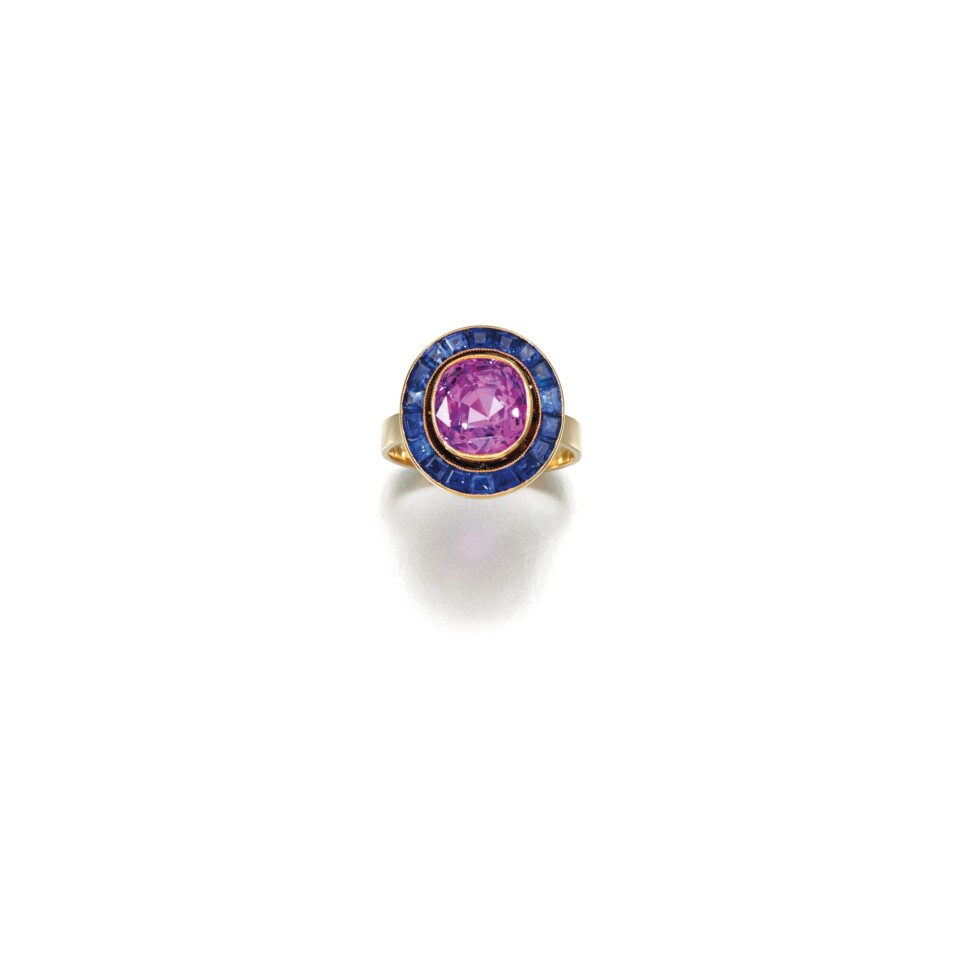
Jewelry collections are not just about owning beautiful pieces; they embody personal style, cultural significance, and a connection to history. For beginners, starting a jewelry collection provides an exciting opportunity to express individuality and explore various artistic expressions. Understanding what makes a collection meaningful can enhance the joy of both acquiring and wearing jewelry.The concept of a jewelry collection encompasses a variety of styles and purposes.
Collections can represent personal milestones, aesthetic preferences, or even cultural heritage. It is essential to recognize the different types of jewelry collections available to help beginners make informed choices. These collections can range from bold statement pieces to intricate vintage items or sleek minimalist designs. Each type offers unique characteristics and appeals to various tastes.
Types of Jewelry Collections
Understanding the various types of jewelry collections helps beginners identify what resonates with their personal style and preferences. Here are the main categories:
Statement Pieces: These are bold, eye-catching jewelry items designed to stand out. Often characterized by unique designs, vibrant colors, or larger-than-life proportions, statement pieces are perfect for making a fashion statement and adding flair to any outfit.
Vintage Collections: Vintage jewelry belongs to a specific era, often reflecting the design trends of that time. Collecting vintage pieces allows enthusiasts to appreciate the craftsmanship and history behind each item, making it a meaningful addition to any collection.
Minimalist Jewelry: Embracing simplicity and subtlety, minimalist jewelry focuses on clean lines and understated elegance. This type of collection is ideal for those who prefer a more refined aesthetic, often featuring delicate chains and small, geometric shapes.
The cultural and historical context surrounding jewelry collections adds depth to their significance. Throughout history, jewelry has been used to signify status, commemorate special occasions, and even convey messages of love and devotion. For example, the use of gemstones in various cultures has often been tied to beliefs in their healing properties and protective qualities. Understanding these contexts can help beginners appreciate the pieces in their collection on a deeper level.
Jewelry collections serve as a reflection of personal identity, cultural heritage, and historical narratives.
Collecting jewelry is an enriching experience that allows individuals to connect with their past while shaping their future. Exploring different types of collections can inspire beginners to curate a selection that truly represents who they are.
Identifying Personal Style
Understanding your personal jewelry style is a pivotal step in building a collection that truly resonates with you. This involves recognizing your preferences in terms of design, materials, and aesthetics. By honing in on what appeals to you, you can curate a collection that reflects your unique personality and lifestyle. Creating a style mood board is an effective way to visualize your jewelry preferences and inspirations.
This can be accomplished by gathering images, colors, and textures that speak to your style. Whether you prefer sleek and modern designs or vintage and ornate pieces, a mood board allows you to compile your ideas and influences in one place. Use magazines, online platforms like Pinterest, or even your own photographs to create a collage that inspires you.
Methods for Identifying Personal Jewelry Style Preferences
Various methods can help you identify your personal jewelry style. Engaging in these practices will guide you in choosing pieces that align with your tastes and preferences. Consider the following approaches:
Self-Reflection: Take time to reflect on the jewelry you currently own. Identify which pieces you wear frequently and which ones you gravitate towards during special occasions.
Wardrobe Assessment: Look at your clothing choices and determine how jewelry can complement your outfits. Assess the colors, patterns, and styles you favor in your wardrobe.
Exploring Trends: Stay informed about current jewelry trends. While trends can inspire, ensure that they align with your personal style and do not compromise your individuality.
Inspiration from Influencers: Follow jewelry influencers and designers on social media. Observe styles that resonate with you and consider how you can incorporate elements from their collections into your own.
Creating a Style Mood Board
A style mood board serves as a visual representation of your jewelry preferences. It can guide your future purchases and help you stay true to your unique aesthetic. Here’s how to create an effective mood board:
Compile Visual Elements: Gather images of jewelry pieces that draw your attention. Look for designs that evoke emotions or memories for you.
Incorporate Colors and Textures: Consider the color palette and textures that you are attracted to. This could include soft pastels, bold hues, or even metallics. Make sure to include materials that appeal to you, such as gold, silver, or gemstones.
Use Digital Tools: Utilize apps or software to create a digital mood board. This allows for easy adjustments and the ability to blend various styles seamlessly.
Physical Mood Board: If you prefer a tactile experience, cut out images and textures from magazines and create a physical board. Display it in a space where you can regularly view it for inspiration.
Factors to Consider When Choosing Pieces That Reflect Personal Style
Selecting jewelry that aligns with your personal style involves thoughtful consideration of several factors. These elements will ensure that your collection feels cohesive and representative of who you are:
Occasion Versatility: Think about whether the pieces can transition between casual and formal settings. Versatile designs can enhance your collection's functionality.
Quality and Craftsmanship: Invest in jewelry that exhibits high-quality craftsmanship. Well-made pieces not only look better but also stand the test of time.
Emotional Connection: Choose pieces that hold personal significance or tell a story. Jewelry that resonates with your life experiences often becomes cherished items.
Comfort and Wearability: Assess how comfortable the jewelry feels when worn. Pieces should enhance your style without causing discomfort.
“Jewelry is a way of keeping memories alive. Choose pieces that resonate with your journey.”
Setting a Budget
Establishing a budget is a crucial step for beginners eager to start their jewelry collection. With an array of options available, creating a financial plan can help you focus on what truly matters in your collection while making informed purchasing decisions.Prioritizing quality over quantity is essential in your initial jewelry purchases. Investing in well-crafted pieces may require a larger upfront cost but ensures longevity and value.
High-quality jewelry not only looks stunning but often retains its worth better than lower-quality items, making them wise investments. Additionally, many handcrafted or designer pieces can become heirlooms that can be passed down through generations, adding sentimental value to the financial aspect.
Strategies for Establishing a Budget, How to start a jewelry collection for beginners
Understanding how to effectively set a budget is vital for sustainable growth in your jewelry collection. Here are some strategies to aid in this process:
1. Evaluate Financial Capacity
Before making any purchases, assess your financial situation to determine how much you can allocate to your jewelry collection without impacting your essential expenses.
2. Set a Realistic Spending Limit
Based on your evaluation, establish a monthly or yearly spending limit that aligns with your goals. This will help you stay focused and less tempted by impulsive buys.
3. Create a Wishlist
Develop a prioritized wishlist of specific pieces you desire. This will guide your shopping and help you avoid unnecessary purchases.
4. Research Prices
Take time to compare prices across different retailers, both online and in-store. Understanding market prices for specific types of jewelry can help you find the best deals without sacrificing quality.
5. Look for Sales and Discounts
Keep an eye out for seasonal sales, promotions, or clearance events. Many jewelry retailers offer significant discounts during holidays or special occasions, which can help you stretch your budget further.
6. Consider Pre-Owned Options
Exploring pre-owned or vintage jewelry is another effective way to save money. These pieces often come at lower prices and can add a unique character to your collection.
7. Set Aside a Savings Fund
If a particular piece is out of your current budget, consider creating a dedicated savings fund. Small, regular contributions can help you reach your goal faster while avoiding the temptation to overspend.
"Quality jewelry is an investment; prioritize pieces that resonate with your personal style and can withstand the test of time."
By following these budgeting strategies, you can build a stunning and meaningful jewelry collection that reflects your personal style without straining your finances.
Researching Jewelry Types
As you embark on your journey to build a stunning jewelry collection, understanding the various types of jewelry available is crucial. Not only does each type serve a different purpose and style, but they also come with unique characteristics that can make your collection truly shine. From timeless pieces that exude elegance to trendy accessories that make a bold statement, the world of jewelry is filled with a delightful array of options.When starting your research on jewelry types, it's important to familiarize yourself with the main categories: rings, necklaces, earrings, bracelets, and other accessories.
Each type offers distinct styles and functions that can enhance your personal expression. Below is a breakdown of these categories:
Types of Jewelry
Rings: A symbol of commitment, fashion, or individuality, rings can be simple bands or elaborate designs featuring gemstones.
Necklaces: These adornments can range from delicate chains to statement pieces that frame the face and highlight outfits.
Earrings: Whether studs, hoops, or dangling designs, earrings are versatile and can dramatically change your look.
Bracelets: Often worn in stacks or as standalone pieces, bracelets can complement your outfit and showcase your style.
Brooches and Pins: These accessories add a touch of personality and can be used to accentuate clothing or bags.
Understanding the distinctions among fine, costume, and handcrafted jewelry will also enhance your selection process. Each category has its own appeal and purpose:
Jewelry Categories
Fine jewelry is crafted from precious metals like gold and platinum and often features genuine gemstones. Costume jewelry, on the other hand, is made from less expensive materials and is typically more trend-focused. Handcrafted jewelry is unique and made by artisans, often featuring distinctive designs and techniques that reflect personal artistry.
Fine jewelry is an investment in quality and longevity, while costume jewelry allows for playful experimentation with styles.
Finally, the significance of metals and gemstones in your selection cannot be overstated. Different metals and stones carry various meanings and characteristics, influencing not only the aesthetic appeal but also the emotional connection to your pieces.
Metals and Gemstones in Jewelry Selection
When selecting jewelry, consider the following aspects of metals and gemstones:
Metals: Gold (yellow, white, and rose), platinum, and silver are popular choices. Their durability and luster make them ideal for fine jewelry.
Gemstones: Diamonds, sapphires, emeralds, and semi-precious stones like amethyst and garnet offer various colors and meanings, allowing for personal expression in your collection.
Allergies: Be mindful of any metal allergies; hypoallergenic options like titanium or surgical steel are available.
Sourcing and Shopping
As you embark on your jewelry collection journey, knowing where to source and shop for pieces is essential. With a multitude of options available, from online platforms to local boutiques, finding the right jewelry at the right price can be an exciting experience. This section will guide you through the best places to shop, how to identify reputable sellers, and the advantages of online versus local shopping.
Recommended Places to Shop for Beginner-Friendly Jewelry
Exploring the right shopping venues can significantly enhance your collection experience. Here is a selection of places ideal for beginners:
Local Jewelers: Small, independent jewelers often have unique pieces and can provide personal service. They may even offer customization options.
Online Marketplaces: Websites like Etsy and Amazon boast a vast array of jewelry options, including handmade and vintage pieces, making it easy to find something that resonates with your style.
Chain Retailers: Stores like Zales and Kay Jewelers offer affordable and trendy pieces, perfect for beginners looking to start their collection without breaking the bank.
Craft Fairs and Markets: Local craft fairs often feature artisans selling their own handmade jewelry. This is a great place to discover unique items and support local artists.
Second-Hand Stores: Thrift shops and consignment stores can yield hidden gems at a fraction of the retail price. Keep an eye out for quality pieces.
Identifying Reputable Jewelry Sellers
When sourcing jewelry, ensuring that you’re purchasing from reputable sellers is crucial for both quality and value. Here are some tips to help you identify trustworthy sellers:
Check Reviews: Look for online reviews and testimonials from previous customers. High ratings generally indicate reliable service.
Look for Certifications: Authentic jewelry should come with proper certifications, especially for diamonds and gemstones, ensuring their quality and value.
Ask About Return Policies: Reputable sellers will have clear return and exchange policies, allowing you to shop with confidence.
Inquire About Material Sources: Understanding where and how materials are sourced can provide insight into the seller’s ethics and quality standards.
Visit the Seller’s Physical Location: If possible, visiting a local jeweler can provide a sense of their professionalism and the quality of their offerings.
Advantages of Online Shopping Versus Local Stores
Both online and local shopping offer unique benefits for beginner jewelry collectors. Understanding these can help you choose the best option for your needs.
Convenience: Online shopping allows you to browse a wide selection of jewelry from the comfort of your home, at any time.
Wider Selection: Online platforms often have a more extensive range of styles and prices, catering to diverse tastes.
Price Comparisons: It is easier to compare prices and find deals online, ensuring you get the best value for your investment.
Personal Interaction: Local stores provide direct interaction with sellers, allowing for personalized recommendations and immediate responses to inquiries.
Instant Gratification: Shopping locally means you can leave with your jewelry immediately, avoiding shipping times and potential delays.
Caring for Jewelry
Caring for your jewelry pieces is essential to maintaining their beauty and longevity. Proper maintenance not only preserves the integrity of the materials but also enhances your collection's overall value. By implementing best practices for cleaning, storing, and insuring your jewelry, you're ensuring that each piece remains as stunning as the day you acquired it.
Cleaning and Maintaining Jewelry Pieces
Regular cleaning is imperative for keeping your jewelry sparkling and free from dirt and oils. Different materials require different cleaning methods to avoid damage.
Gold and Silver: Use a soft cloth to gently buff the surface. For deeper cleaning, a mild soap solution and a soft-bristled toothbrush can be used. Rinse thoroughly and dry with a soft cloth.
Diamonds: Soak in warm water mixed with a few drops of dish soap. After five to ten minutes, use a soft brush to clean between the facets, then rinse and dry.
Pearls: Wipe with a damp cloth after each wear, and avoid soaking them in water to prevent damage to the stringing.
Costume Jewelry: Use a damp cloth to wipe off any grime. Avoid getting the jewelry wet to prevent tarnishing and damage to materials.
"Regular maintenance preserves the beauty and value of your jewelry collection."
Proper Storage to Prevent Damage
Storing jewelry correctly is just as important as cleaning it. Proper storage can prevent scratches, tangles, and damage to delicate pieces.
Use Anti-Tarnish Pouches: Store silver jewelry in anti-tarnish pouches or cloths to prevent oxidation.
Separate Storage: Keep each piece in its compartment or pouch to avoid scratches and tangling, especially with necklaces and bracelets.
Temperature and Humidity Control: Store jewelry in a cool, dry place. Avoid bathrooms or areas with high humidity, as moisture can lead to tarnishing.
"Effective storage solutions are vital in preserving the condition of your jewelry."
Importance of Insurance for Valuable Pieces
Securing insurance for valuable jewelry pieces is a critical step in your collection journey. Insurance protects against loss, theft, or damage, providing peace of mind.
Appraisal: Obtain a professional appraisal to determine the accurate value of each piece. This is essential for insurance purposes.
Specific Jewelry Insurance: Consider specialized insurance policies that cover jewelry exclusively, as they often offer better protection than standard homeowners’ insurance.
Documentation: Keep all purchase receipts and appraisals in a safe place. This documentation will be invaluable in the event of a claim.
"Insurance safeguards your investment, ensuring you can replace or repair pieces if needed."
Expanding the Collection
As your jewelry collection grows, it’s essential to have a strategic plan for expansion that not only enhances your current pieces but also reflects your evolving style and preferences. This section will guide you through practical steps to gradually build your collection while considering trends and the sentimental value of gifting and heirloom pieces.Understanding how to expand your collection is crucial for any jewelry enthusiast.
A well-thought-out plan prevents impulsive purchases and ensures that each addition complements your existing items. Consider the following strategies to enhance your collection effectively:
Creating a Plan for Gradual Expansion
Establishing a clear plan helps you navigate the exciting journey of expanding your jewelry collection. Identifying your goals will streamline your efforts and allow for more focused acquisitions. Here are some insightful strategies to guide you:
Set Specific Goals: Define what types of jewelry you want to add, such as statement pieces, everyday wear, or specialized items like vintage or artisanal pieces.
Seasonal Themes: Align your collection expansion with seasonal trends to keep your style fresh and relevant. Consider incorporating colors and materials popular in the upcoming season.
Prioritize Quality Over Quantity: Focus on acquiring fewer, high-quality pieces instead of numerous low-quality items that may clutter your collection.
Stay Informed: Follow jewelry blogs, social media influencers, and fashion publications to stay updated on emerging trends and designer collections.
Incorporating Seasonal Trends
Keeping your jewelry collection trendy can elevate your style and make older pieces feel new again. Incorporating seasonal trends allows you to refresh your collection dynamically. Here are effective methods to achieve this:
Research Trends: Regularly check fashion shows, magazines, and online platforms for inspiration on trending styles, colors, and designs.
Experiment with Layering: Combine new seasonal pieces with your existing jewelry for a curated, fashionable look. Experimenting with layering can create unique combinations that stand out.
Color Coordination: Identify colors that are trending each season and seek jewelry that complements or contrasts with your wardrobe choices.
Seasonal Sales: Take advantage of seasonal sales to acquire trendy pieces at discounted prices, making the expansion of your collection more budget-friendly.
The Role of Gifting and Heirloom Pieces
Gifts and heirloom pieces often carry profound emotional meanings and can significantly contribute to your jewelry collection. These items not only tell a story but can also enhance your style narrative. Consider these points:
Gifting Traditions: Embrace the tradition of gifting jewelry on special occasions. Pieces received as gifts can become cherished items that add personal significance to your collection.
Heirloom Quality: Seek out heirloom-quality pieces that can be passed down through generations. Investing in timeless designs ensures that these items remain valuable and relevant.
Personalized Jewelry: Custom pieces or engravings can enhance the sentimental value of gifts and make them unique additions to your collection.
Storytelling: Each gifted or inherited piece can have a story associated with it, enriching your collection's narrative and making it more meaningful.
“A jewelry collection is not just about the pieces you own; it’s about the memories, stories, and sentiments attached to them.”
Connecting with the Jewelry Community
Engaging with fellow jewelry enthusiasts can enhance your collecting experience significantly. Whether you are just starting or looking to deepen your passion, being part of a community offers valuable insights, resources, and connections that can amplify your journey in the world of jewelry collection.Participating in jewelry groups and communities allows you to share your passion, learn from others, and access exclusive events.
Here are some key benefits and opportunities to connect with the vibrant jewelry community:
Benefits of Joining Jewelry Groups
Being part of jewelry enthusiast groups fosters a sense of belonging and provides various advantages. Members share knowledge, trends, and tips that help refine your understanding of jewelry collecting. The following are notable benefits:
Access to exclusive information about upcoming trends and styles that can elevate your collection.
Opportunities to engage in discussions that can deepen your appreciation and understanding of different jewelry types.
Supportive network of collectors who can provide advice and feedback on your collection.
Insights into ethical sourcing and craftsmanship, enhancing your appreciation for the pieces you acquire.
Participating in Local Jewelry Shows and Workshops
Attending local jewelry shows and workshops is a fantastic way to immerse yourself in the community. These events not only showcase a variety of unique creations but also offer hands-on learning experiences. Here are ways to get involved:
Visit local artisan markets where you can meet jewelers and discover unique pieces firsthand.
Enroll in workshops to learn about jewelry-making techniques, enhancing your appreciation for craftsmanship.
Attend trade shows to see the latest collections, network with industry professionals, and gather inspiration for your own collection.
Networking with Collectors and Artisans
Building connections with other collectors and artisans can lead to fruitful relationships and opportunities for collaboration. Networking helps you expand your knowledge base and discover new avenues for growing your collection. Here are effective networking strategies:
Join online forums or social media groups dedicated to jewelry collecting to exchange ideas and experiences.
Participate in local jewelry meetups or club events to establish personal connections with fellow enthusiasts and artisans.
Collaborate with artisans for custom pieces that reflect your personal style while supporting local talent.
Connecting with the jewelry community not only enriches your collection but also cultivates lasting relationships and opportunities for growth in your jewelry journey.
FAQ Guide
What is the best type of jewelry for beginners?
Beginners should start with versatile pieces like stud earrings, simple necklaces, and classic bracelets that can be easily styled with various outfits.
How can I determine my jewelry style?
To identify your style, consider creating a mood board with images of jewelry that resonates with you, and take note of your fashion preferences.
How much should I budget for my first jewelry purchases?
A good starting point is to allocate a budget that prioritizes quality over quantity. Aim for quality pieces that you truly love, even if it means buying fewer items initially.
Are there specific stores recommended for beginners?
Yes, check out local artisan markets, reputable online jewelry retailers, and established department stores that offer beginner-friendly collections.
How do I care for my jewelry to ensure its longevity?
Regularly clean your jewelry with appropriate methods, store it in a cool, dry place, and consider insurance for higher value pieces to protect your investment.