With designing indoor workspaces for productivity at the forefront, this topic unveils the essential elements that shape an effective work environment. From the layout to the color scheme, every detail in workspace design can significantly impact employee performance and overall satisfaction. The right ambiance not only fosters creativity but also enhances focus, making it imperative for businesses to invest in thoughtful design strategies.
In today’s fast-paced world, the workspace must cater to diverse needs, including collaboration, comfort, and technology integration. Embracing wellness through ergonomics and natural light, while promoting sustainability and personal expression, can create a thriving atmosphere where productivity flourishes. As we dive deeper into this fascinating realm, discover how to harness the power of design to maximize potential and elevate workplace experiences.
Importance of Workspace Design
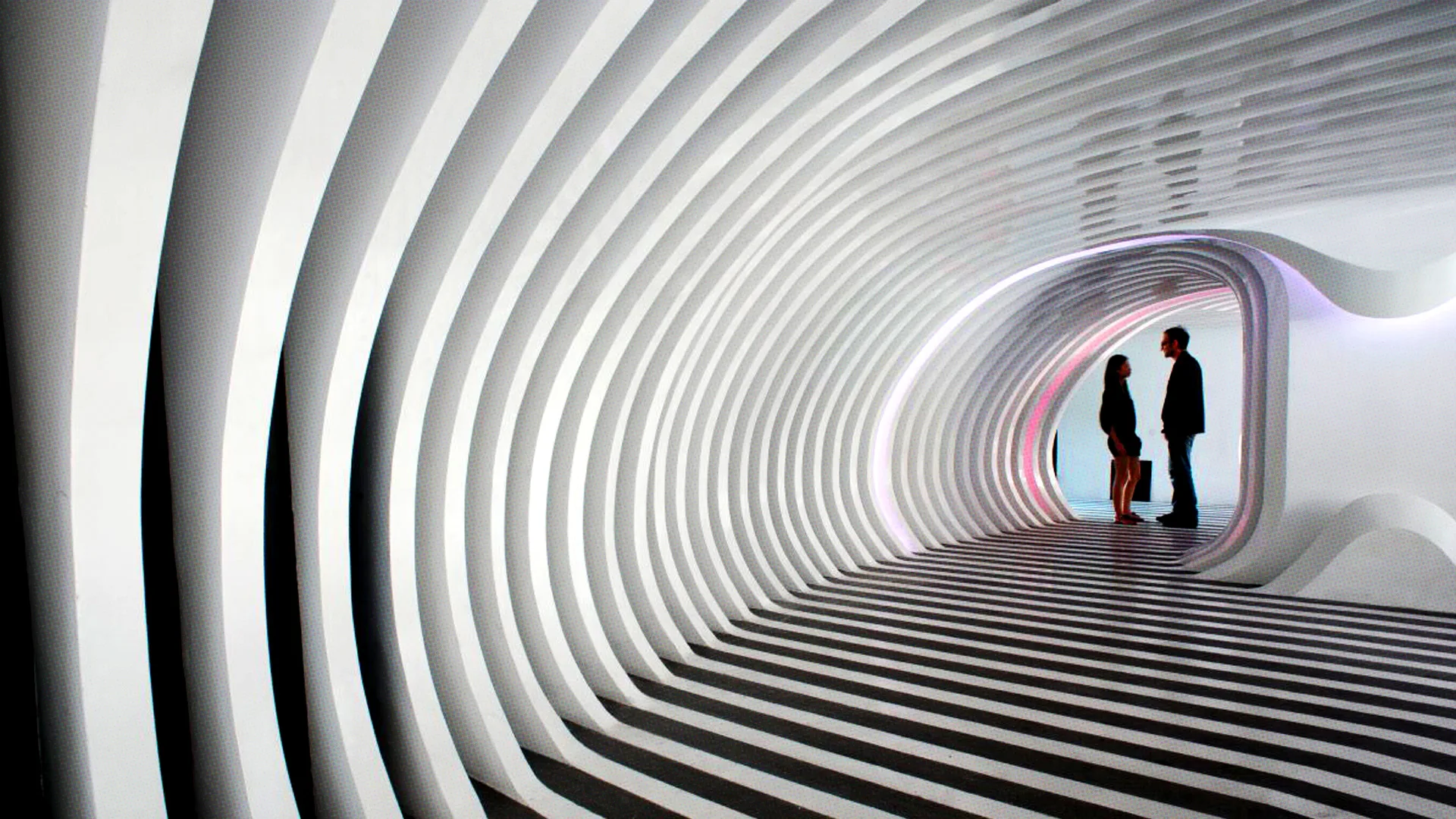
The design of a workspace significantly influences employee productivity and overall well-being. A thoughtfully crafted environment not only enhances focus but also fosters creativity and collaboration. By understanding the elements that contribute to an effective workspace, businesses can optimize their environments for maximum efficiency.Research shows that workspace design impacts employee productivity by as much as 20-30%. This is attributed to several factors, including layout, accessibility, and environmental elements such as lighting and noise levels.
A well-structured workspace can reduce distractions and create a more inviting atmosphere that promotes teamwork and innovation.
Psychological Effects of Color and Layout
The psychological effects of color and layout in workspaces can dramatically alter employee mood and productivity levels. Color theory suggests that different colors evoke specific emotional responses; for example, blue is known to promote calmness and concentration, while yellow can stimulate creativity and energy. When considering layout, it is essential to focus on how various elements are arranged to facilitate movement and interaction.
Open spaces can encourage collaboration, while secluded areas allow for focused work. The following points highlight key aspects of how design influences psychology:
Color Choices: Choosing the right color palette can create an atmosphere that either energizes or calms employees, affecting their work efficiency.
Space Layout: A well-organized layout minimizes distractions and encourages collaboration, allowing teams to flow seamlessly between tasks.
Natural Light: Incorporating natural light into workspace design has been shown to improve mood and reduce fatigue among employees.
Ergonomic Design: Ergonomically designed furniture reduces physical strain and discomfort, enhancing overall productivity and workplace morale.
Key Elements of an Effective Workspace
An effective workspace is characterized by several key elements that work together to create a productive environment. Below are essential components that should be considered when designing a workspace:
Flexibility: A workspace that can adapt to various working styles encourages employees to embrace different tasks without feeling constrained.
Technology Integration: Access to modern technology facilitates efficient communication and enhances productivity.
Personalization: Allowing employees to personalize their workspace can boost morale and foster a sense of ownership and pride in their environment.
Quiet Zones: Designated quiet areas provide employees with the opportunity to concentrate on tasks without interruptions.
“A well-designed workspace is not just about aesthetics; it's about creating a functional environment that enhances performance and well-being.”
Ergonomics in Workspace Design
Creating a workspace that promotes both comfort and productivity hinges on the principles of ergonomics. Ergonomics is the science of designing the workspace to fit the user, minimizing strain and maximizing efficiency. By integrating ergonomic principles into workspace design, organizations can enhance employee satisfaction and boost overall productivity. Investing in ergonomic solutions is not merely about comfort; it's a strategic approach to foster a healthier and more effective work environment.The role of ergonomics in workspace design revolves around understanding human physicality and behavior.
Ergonomically designed workspaces reduce the risk of musculoskeletal disorders, alleviate fatigue, and enhance focus. Properly designed environments encourage movement and facilitate healthy postures, which are essential for sustained productivity.
Ergonomic Principles for Enhanced Comfort and Productivity
Implementing ergonomic principles is vital for creating a workspace that supports employee health and performance. Here are key principles that should guide the design of ergonomic workspaces:
Adjustable Furniture: Desks and chairs that can be adjusted in height allow users to find their optimal working position, whether sitting or standing. This flexibility helps combat fatigue and promotes better posture.
Supportive Seating: Ergonomic chairs are designed with lumbar support and adjustable components to fit individual body shapes. This support minimizes lower back pain, which is common in prolonged sitting scenarios.
Monitor Positioning: Computer monitors should be placed at eye level, approximately an arm's length away, to reduce neck strain. Using monitor stands or adjustable arms can help achieve this ideal position.
Keyboard and Mouse Placement: The keyboard and mouse should be positioned to keep wrists straight and fingers relaxed. An ergonomic keyboard and mouse can further decrease the risk of repetitive strain injuries.
Footrests: Using footrests can help maintain proper posture by allowing feet to be flat on the ground or providing support for feet when sitting for extended periods.
Examples of Ergonomic Furniture and Equipment
A variety of ergonomic furniture and equipment is available that can significantly improve workplace comfort and efficiency. Notable examples include:
Standing Desks: These desks provide the option to work while standing, helping to reduce sedentary behavior and increase energy levels throughout the day.
Ergonomic Office Chairs: Featuring adjustable seat height, backrest angle, and armrests, these chairs provide personalized support to promote a healthy sitting posture.
Keyboard Trays: Adjustable trays allow users to position their keyboard at a comfortable height, reducing strain on wrists and shoulders.
Document Holders: These holders keep documents at eye level, reducing neck strain when switching between screens and printed materials.
Wrist Rests: Padding for keyboard and mouse areas provides comfort and prevents strain when typing or navigating.
Workspace Layout for Promoting Ergonomic Practices
The layout of a workspace plays a crucial role in fostering ergonomic practices. An effective layout encourages movement, reduces clutter, and enhances access to tools and resources. Consider the following principles when designing workspace layouts:
Utilize an Open Layout: Open spaces can promote collaboration and movement while allowing easy access to shared resources, minimizing the need for excessive reaching or twisting.
Zone the Workspace: Designate areas for focused work, collaboration, and relaxation to create a balanced environment that caters to different work needs.
Keep Frequently Used Items Within Reach: Organizing tools and materials so they are easily accessible helps reduce unnecessary strain from stretching or bending.
Incorporate Break Areas: Designated spaces for breaks can encourage employees to step away from their desks and reduce sedentary time, enhancing overall well-being.
“A well-designed ergonomic workspace not only boosts productivity but also prioritizes employee health and job satisfaction.”
The Role of Natural Light
Natural light is a vital element in workspace design, influencing not only the atmosphere but also employee well-being and performance. Research has shown that workplaces infused with natural light can significantly enhance mood, foster creativity, and boost productivity. The incorporation of daylight into work environments can transform mundane office spaces into inspiring areas that promote engagement and satisfaction.Natural light enhances the overall work experience, creating an invigorating environment that encourages focus and reduces fatigue.
Studies have revealed that employees with ample exposure to natural light report higher levels of job satisfaction and are less likely to experience feelings of stress and anxiety. By optimizing natural light in office settings, businesses can unlock a plethora of benefits, leading to healthier, happier, and more productive teams.
Methods for Maximizing Natural Light
Taking advantage of natural light requires thoughtful design strategies. Here are effective methods to ensure that your workspace is flooded with sunlight:
Open Floor Plans: Design your office layout with an open floor plan that minimizes obstacles between windows and work areas. This allows sunlight to permeate deeper into the workspace.
Window Placement: Strategically position windows to capture daylight from multiple angles. Consider larger windows or glass walls to maximize light entry while providing panoramic views of the outdoors.
Reflective Surfaces: Use materials such as mirrors or light-colored finishes on walls and ceilings to reflect natural light around the space, creating a brighter atmosphere.
Glass Partitions: Opt for glass partitions instead of solid walls to allow light to flow throughout the office while maintaining individual workspaces.
Skylights: Incorporate skylights in areas with limited vertical space for enhanced light exposure, particularly in rooms where windows are not feasible.
Case Studies of Successful Integration of Natural Light
Several companies have recognized the transformative power of natural light and have successfully integrated it into their workspace design:
Google: At their Mountain View headquarters, Google emphasizes open spaces with expansive glass walls and skylights. This design not only provides natural light but also connects employees to nature, enhancing overall well-being.
Apple's Park: The Apple Park headquarters features a circular design with vast expanses of glass, allowing natural light to flood into workspaces. The structure is designed to integrate with the surrounding landscape, promoting a sense of harmony and tranquility.
Salesforce: In their San Francisco office, Salesforce utilizes floor-to-ceiling windows that offer breathtaking views of the city skyline. This design maximizes natural light while creating an inspiring environment for collaboration and innovation.
"Natural light is not just a luxury; it’s a necessity for a productive workspace."
By prioritizing natural light in workspace design, companies can create environments that not only look stunning but also enhance employee satisfaction and productivity, leading to a thriving work culture.
Creating Collaborative Spaces
In today's dynamic work environment, the design of collaborative spaces plays a pivotal role in enhancing teamwork and fostering creativity. A well-thought-out plan for creating these zones can significantly influence employee interaction and overall productivity. By integrating functionality with comfort, businesses can create hubs that not only encourage collaboration but also enhance the organizational culture.
The importance of communal spaces cannot be overstated, as they serve as the backbone of teamwork and innovation. These areas should be strategically designed to facilitate communication, idea-sharing, and collective problem-solving. A collaborative workspace goes beyond just an open area; it encompasses various elements that stimulate interaction and nurture creativity among team members.
Plan for Creating Collaborative Zones
Developing a successful collaborative zone requires careful planning and consideration of various factors. Here are key elements to incorporate into your design:
Flexible Furniture: Utilize modular furniture that can be easily rearranged to accommodate groups of different sizes, allowing for spontaneous meetings or brainstorming sessions.
Technology Integration: Equip collaborative spaces with advanced technology, including video conferencing tools and interactive whiteboards to facilitate seamless communication across teams.
Zoning: Design distinct areas for different types of collaboration, such as quiet zones for focused work, open areas for group discussions, and lounge spaces for informal conversations.
Acoustic Treatments: Incorporate sound-absorbing materials to minimize distractions and ensure that conversations can occur without disturbing others.
Personal Touches: Allow employees to personalize their spaces with artwork or plants to create a welcoming atmosphere that promotes comfort and creativity.
Importance of Communal Spaces for Teamwork and Creativity, Designing indoor workspaces for productivity
Communal spaces are essential for nurturing teamwork and creativity within an organization. They provide employees with opportunities to connect, collaborate, and share ideas in a relaxed environment. Here are some benefits that underline the importance of these spaces:
Enhanced Communication: Open areas encourage spontaneous interactions, leading to a free flow of ideas and information among team members.
Increased Engagement: Collaborative zones motivate employees to participate actively in discussions, which can lead to innovative solutions and enhanced job satisfaction.
Stronger Relationships: These spaces foster camaraderie, helping employees build stronger relationships that can translate into more effective teamwork.
Creative Environment: By providing visually stimulating and comfortable communal areas, employees are inspired to think outside the box and generate fresh ideas.
Examples of Successful Collaborative Workspace Designs
Numerous companies have embraced the concept of collaborative workspaces with great success. Here are notable examples that illustrate the effectiveness of such designs:
Google: Known for its innovative office designs, Google incorporates open spaces with recreational areas, café-style seating, and informal meeting spots to encourage collaboration and creativity.
Airbnb: The Airbnb headquarters features communal lounges, conference rooms equipped with the latest technology, and various collaborative work zones, emphasizing an open and inclusive atmosphere.
WeWork: As a co-working space provider, WeWork designs its offices with shared amenities, communal kitchens, and collaborative workspaces that allow diverse teams to connect and thrive.
Facebook: The open floor plan at Facebook’s headquarters is designed to minimize barriers between departments, fostering a culture of collaboration and innovation.
"Designing for collaboration ultimately means designing for the future of work." - Unknown
Noise Management Strategies
In today's fast-paced work environment, noise control is essential for enhancing productivity and maintaining employee wellbeing. High levels of noise can lead to distractions, decreased concentration, and increased stress, ultimately hindering work performance. Implementing effective noise management strategies in indoor workspaces can create a more conducive atmosphere for focused and collaborative efforts.Soundproofing techniques play a crucial role in managing noise levels within office spaces.
By utilizing specialized materials and design methods, organizations can significantly reduce unwanted sound transmission and create a more serene work environment. This is particularly important in open-plan offices where noise can easily become disruptive.
Effective Noise-Reduction Techniques
Implementing effective noise-reduction techniques is essential for creating a conducive workspace. These methods can greatly enhance focus and reduce distractions. Below are some widely used strategies:
Acoustic Panels: These panels absorb sound waves and prevent echo, enhancing speech intelligibility and reducing overall noise levels.
Carpeting and Rugs: Soft flooring materials act as sound absorbers, helping to dampen footfall noise and create a quieter environment.
White Noise Machines: These devices emit a consistent sound that can mask disruptive noises, promoting concentration among employees.
Soundproof Partitions: Installing movable or fixed partitions can create sound barriers between workspaces, allowing for personal areas of quiet.
Sealing Gaps: Utilizing weatherstripping and caulk to seal gaps around doors and windows can significantly reduce external noise intrusion.
Soundproofing Materials and Methods
When it comes to soundproofing, the choice of materials and methods can greatly influence the effectiveness of noise reduction. The following options are commonly used in workspace design:
Mass Loaded Vinyl (MLV): A highly effective sound barrier that is dense and flexible, ideal for walls, ceilings, and floors.
Acoustic Foam: Specifically designed to absorb sound waves, this material is often used in studios and can be applied in offices to reduce noise.
Resilient Channels: These are used to decouple drywall from framing, minimizing sound transmission through walls and ceilings.
Fiberglass Insulation: This material offers excellent sound absorption properties, making it useful in wall cavities and ceilings.
Carpet Tiles: These not only provide aesthetic value but also contribute to sound absorption and reduction of noise levels.
Creating Quiet Zones for Focused Work
The establishment of quiet zones within an office is essential for fostering an environment where employees can concentrate without distractions. These areas are specifically designed to provide solitude and focus away from the usual hustle and bustle of the office.To create effective quiet zones:
Designated Quiet Areas: Allocate spaces within the office that are free from noise, such as dedicated rooms with soundproofing materials.
Signage: Clear signage indicating quiet zones helps reinforce the necessity for silence in those areas.
Comfortable Furnishing: Provide comfortable seating and desks in quiet areas to encourage employees to use them for focused tasks.
Limit Access: Restrict these zones to specific times or for specific tasks to maintain their purpose as quiet spaces.
Flexible Usage: Allow employees the option to utilize these areas for individual work or small group collaborations where less noise is preferable.
The right combination of noise management strategies not only increases productivity but also fosters a healthier work environment.
Incorporating Technology
The integration of technology into workspace design has revolutionized how we work, making environments more adaptable, efficient, and conducive to productivity. Innovative solutions are not just enhancements but essential components of a modern workspace that drives performance and collaboration. As businesses evolve, so do the tools that facilitate work, ensuring that teams can operate seamlessly in various settings.Smart office tools have become indispensable in designing workspaces that enhance productivity.
These technologies range from automated lighting systems to advanced communication platforms. With the right tech integration, companies can create a responsive environment that empowers employees to perform at their best.
Innovative Technology Solutions
Embracing innovative technology solutions can significantly impact workplace productivity. These solutions provide the infrastructure for a dynamic work environment, promoting engagement and efficiency. Below are key technological advancements transforming workspaces:
Smart Desks: Adjustable desks equipped with sensors to remind users to stand or sit, improving posture and overall health.
Collaboration Software: Platforms like Slack and Microsoft Teams facilitate seamless communication and project management, allowing teams to collaborate in real-time, regardless of location.
Video Conferencing Tools: High-definition video tools such as Zoom and Cisco Webex enhance remote meetings, making them more interactive and productive.
IoT Devices: Internet of Things devices can monitor and adjust room temperatures, lighting, and even air quality, ensuring a comfortable and efficient workspace.
Augmented Reality (AR) and Virtual Reality (VR): These technologies are being used for training and collaborative design processes, creating immersive experiences that enhance understanding and teamwork.
Integration of Smart Office Tools
The integration of smart office tools into workspace design is essential for enhancing operational efficiency and employee satisfaction. Smart tools streamline processes and foster a collaborative atmosphere. When implemented effectively, they can transform the workplace into a hub of innovation and creativity. Examples of effective integration include:
Smart Lighting
Systems that automatically adjust based on the time of day or occupancy, promoting energy efficiency and enhancing mood.
Temperature Control Systems
Smart thermostats that optimize heating and cooling based on real-time usage patterns, ensuring comfort while reducing energy consumption.
Office Booking Systems
Digital platforms that allow employees to reserve meeting rooms or collaborative spaces, reducing scheduling conflicts and maximizing usage.
Tech-Driven Workspace Transformations
Various organizations have successfully undergone tech-driven transformations that underscore the value of modernizing workspace design. One notable example is the global tech giant Google, which utilizes various technologies to create dynamic work environments. Google's offices feature open spaces, collaborative zones, and advanced communication tools that foster creativity and teamwork.In another case, the financial services firm Deloitte implemented a comprehensive technology strategy in their offices that included high-tech conference rooms equipped with state-of-the-art AV systems and smart boards, enhancing group productivity and engagement during meetings.As more companies recognize the critical role of technology in workspace design, investing in these solutions becomes paramount.
By tailoring technology to meet specific organizational needs, businesses can create environments that not only boost productivity but also foster employee well-being and satisfaction.
Personalization of Workspaces
The personalization of workspaces has increasingly become a focal point in contemporary office design, promoting individuality while enhancing employee satisfaction and productivity. By allowing personal touches in workspace design, organizations can create environments that reflect employees’ unique identities and preferences, ultimately fostering a sense of belonging and ownership.A personalized workspace can lead to increased motivation, creativity, and overall job satisfaction.
When employees have the freedom to customize their area, they are more likely to feel comfortable and engaged, leading to higher productivity levels. Personalization can take many forms, from decorative items that represent personal interests to functional adjustments that cater to individual work styles.
Strategies for Encouraging Personal Expression
Encouraging personal expression in the workplace while maintaining professionalism is essential for creating a balanced environment that promotes creativity without sacrificing corporate identity. Here are several effective strategies that organizations can implement:
Flexible Workspace Options: Providing a mix of open spaces, private offices, and collaborative areas allows employees to choose environments that suit their work style and personal preferences.
Designated Personalization Zones: Establishing specific areas where employees can display personal items or artwork can foster individuality while keeping communal spaces professional.
Guidelines for Personal Items: Offering clear guidelines regarding the types and limits of personal items can help maintain professionalism while still encouraging expression.
Incorporate Employee Feedback: Regularly soliciting feedback on workspace design can enable employees to voice their preferences and contribute to a personalized office environment.
Support Remote Work Personalization: For remote employees, providing stipends for home office supplies can enhance their workspace according to personal needs and tastes.
Examples of Successful Personalization
Innovative companies around the world have successfully embraced personalization in workspace design. For instance, Google is renowned for its vibrant office environments, filled with colorful artwork and recreational areas that reflect the interests of its employees. Their open workspaces allow teams to create personalized sections, filled with meaningful decor.Similarly, the online retailer Zappos encourages employees to personalize their workspaces, from quirky coffee mugs to unique wall art that resonates with their personal brands.
This approach has not only helped in creating a fun and vibrant workplace culture but has also contributed significantly to employee retention and satisfaction.
“A personalized workspace is not just an aesthetic choice; it is a powerful tool that can boost morale and productivity.”
Sustainability in Workspace Design
Sustainable workspace design is no longer just a trend; it has become a necessity in promoting a healthier environment and enhancing productivity. As companies strive to reduce their carbon footprint, the integration of sustainable practices in indoor workspaces plays a pivotal role in achieving these goals. By prioritizing sustainability, organizations can create spaces that not only cater to the needs of their employees but also contribute positively to the planet.Incorporating sustainable practices into workspace design involves a variety of strategies aimed at reducing environmental impact.
This includes utilizing eco-friendly materials, implementing energy-efficient systems, and promoting an overall green culture within the organization. The benefits of adopting sustainable practices extend beyond environmental conservation; they significantly enhance employee morale and productivity by creating a sense of purpose and wellbeing among staff.
Eco-Friendly Materials and Resources for Workspace Design
Selecting the right materials is crucial in creating a sustainable workspace. The use of eco-friendly materials not only minimizes environmental impact but also promotes a healthier indoor environment. Here are some examples of sustainable materials and resources that can be integrated into workspace design:
Recycled Materials: Utilizing recycled wood, metal, or glass in furniture and fixtures reduces waste and conserves natural resources.
Bamboo: As a fast-growing renewable resource, bamboo is an excellent substitute for traditional wood and is often used in flooring and furniture.
Low-VOC Paints: These paints reduce volatile organic compounds, improving indoor air quality while still providing vibrant color options.
Natural Fabrics: Materials such as organic cotton, hemp, and wool are sustainable choices for upholstery and textiles, free from harmful chemicals.
Green Insulation: Products made from recycled denim or cellulose not only offer effective insulation but also enhance energy efficiency.
The impact of sustainability on employee morale and productivity is profound. Research shows that workplaces designed with sustainability in mind can lead to higher levels of job satisfaction and engagement. Employees often feel a greater sense of pride working in an environment that reflects their values and contributes positively to the world.
"Sustainable workplaces foster a culture of responsibility, enhancing employee morale and driving productivity like never before."
By embracing sustainable practices in workspace design, organizations can create environments that inspire innovation and collaboration while being mindful of their ecological footprint. This holistic approach not only benefits the planet but also cultivates a thriving workforce ready to tackle the challenges of today and tomorrow.
Commonly Asked Questions: Designing Indoor Workspaces For Productivity
What are the key elements of workspace design?
Key elements include layout, color, furniture, lighting, and technology integration, all aimed at enhancing productivity and comfort.
How does color influence productivity?
Color can affect mood and energy levels; for example, blue tones promote focus, while warmer colors can encourage creativity.
What ergonomic furniture options are available?
Options include adjustable desks, ergonomic chairs, and specialized keyboard trays that support proper posture and reduce strain.
Can personal touches in workspace design improve morale?
Yes, allowing personal expression can enhance employee satisfaction and connection to their workspace, leading to increased motivation.
Why is natural light important in workspaces?
Natural light boosts mood, reduces eye strain, and can significantly enhance overall productivity and well-being in indoor environments.