Designing indoor workspaces for productivity is essential in today’s fast-paced work environment. The way a workspace is designed can significantly influence how effectively employees perform their tasks. From the psychological impact of color choices to the ergonomic considerations of furniture, every element plays a crucial role in maximizing productivity and enhancing the overall work experience.
By understanding the key components of effective workspace design, companies can create an environment that fosters creativity, collaboration, and efficiency. The strategic incorporation of technology, natural elements, and personalized touches can transform any indoor space into a powerhouse of productivity that keeps employees engaged and motivated.
Importance of Workspace Design
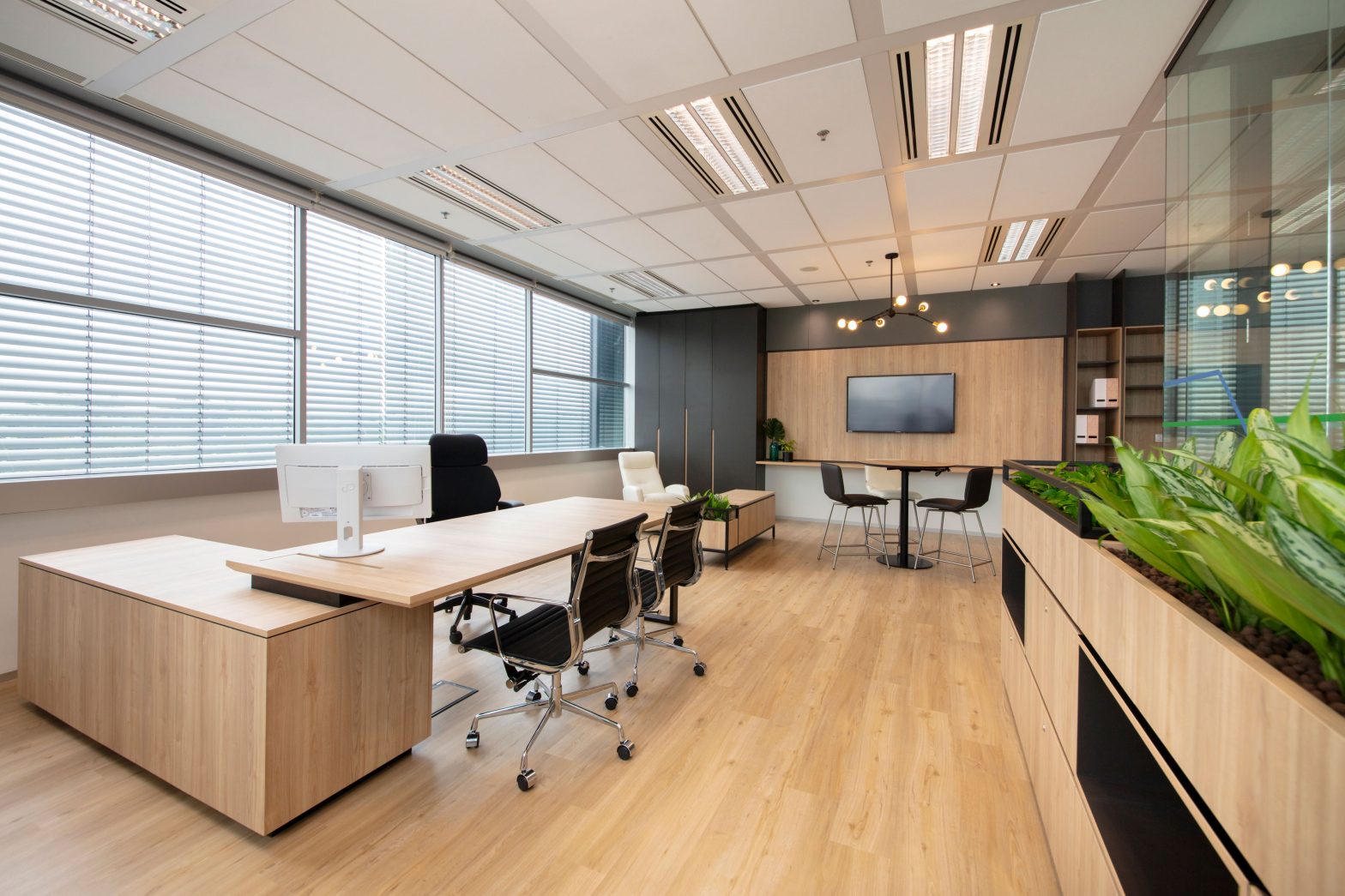
Creating an effective workspace is essential for maximizing productivity and enhancing employee satisfaction. The design of an indoor workspace goes beyond mere aesthetics; it plays a crucial role in influencing how employees interact with their environment and perform their tasks. A thoughtfully designed workspace can lead to increased focus, collaboration, and overall well-being among staff, ultimately benefitting the organization.Research shows that workspace design significantly impacts productivity levels.
A well-planned layout, which includes effective use of space, lighting, and color, can encourage teamwork and creativity. Studies have found that employees in environments designed with purpose tend to report higher levels of job satisfaction and performance.
Psychological Effects of Color and Layout
The colors and layout of a workspace can evoke specific emotional responses and influence behavior, making their selection vital for productivity. For instance, warm colors like red and yellow can stimulate energy and creativity, while cooler tones like blue and green promote calmness and focus. An effective layout also plays a pivotal role in fostering collaboration and reducing distractions. Open spaces encourage teamwork, but it’s essential to balance these areas with quiet zones for concentration.
The strategic arrangement of furniture impacts how employees interact and influences their work patterns.
The right combination of color and layout can improve employee morale and enhance productivity by creating a psychologically supportive environment.
Role of Comfort and Ergonomics
Comfort and ergonomics are critical components in enhancing workplace productivity. Ergonomic furniture, such as chairs that support proper posture and desks that accommodate various working styles, are essential to reducing physical strain. When employees are comfortable, they are less likely to experience fatigue and discomfort, leading to improved focus and output.To understand the importance of ergonomics, consider the following factors:
Adjustable seating options that cater to individual preferences promote better posture.
Desktop setups that allow for an ergonomic arrangement help in minimizing repetitive strain injuries.
Incorporating standing desks can enhance energy levels and reduce sedentary behavior.
By integrating ergonomics into workspace design, companies can not only enhance productivity but also demonstrate a commitment to employee health and well-being. An effective workspace leads to happier, more engaged employees who are driven to achieve their best work every day.
Elements of Effective Workspace Design
Creating a productive workspace involves a blend of various design elements that boost efficiency, comfort, and creativity. By focusing on specific components, you can create a tailored environment that fosters optimal performance and well-being. Understanding these key elements is essential to harnessing the full potential of your workspace.
Key Elements Contributing to a Productive Workspace
An effective workspace is not just about aesthetics; it encompasses functionality and employee well-being. Below are vital elements that contribute to a productive atmosphere:
Ergonomic Furniture: Comfort is paramount. Ergonomic chairs and desks reduce the risk of musculoskeletal issues and enhance focus.
Open Space Design: Open layouts encourage collaboration while providing areas for concentration through designated quiet zones.
Personalization: Allowing personal touches fosters ownership and connection to the workspace, boosting morale.
Technology Integration: Seamless incorporation of technology facilitates better communication and efficiency.
Acoustic Management: Soundproofing and quiet materials minimize distractions, improving concentration levels.
Essential Furniture and Their Ergonomic Features
Selecting the right furniture is crucial for maintaining an effective and comfortable workspace. Below is a list of essential furniture items along with their ergonomic features:
Adjustable Desks: Allow users to alternate between sitting and standing, promoting better posture and energy levels.
Ergonomic Chairs: Provide lumbar support, adjustable armrests, and seat height to accommodate individual preferences and reduce strain.
Keyboard Trays: Position keyboards at an optimal height to reduce wrist strain and enhance typing comfort.
Monitor Stands: Elevate monitors to eye level, preventing neck strain and promoting a more natural posture.
Storage Solutions: Organized storage minimizes clutter, leading to a more focused and efficient work environment.
Importance of Lighting and Its Effects on Concentration
Lighting plays a pivotal role in workspace design, influencing mood, energy, and overall productivity. Proper lighting can significantly enhance concentration levels and reduce fatigue.
Natural Light: Studies show that exposure to natural light boosts mood and cognitive function, making it essential for workspace design.
Task Lighting: Adjustable task lights provide focused illumination for specific work areas, reducing eye strain and improving visibility.
Color Temperature: Warm light creates a cozy atmosphere, while cooler light enhances alertness and focus; selecting the right temperature can influence productivity.
Light Control: Incorporating blinds or shades allows for adjustable lighting, enabling individuals to tailor their environment to their comfort level.
Reduced Glare: Ensuring that lighting minimizes glare on screens is critical for maintaining concentration and reducing distractions.
Open vs. Closed Office Spaces
The design of office spaces profoundly influences productivity, collaboration, and employee well-being. Among the most debated layouts are open and closed office spaces. Each layout presents unique advantages and challenges that cater to different organizational cultures and work styles.Open office layouts are designed to promote collaboration and communication among employees. These spaces often feature minimal barriers, encouraging teamwork and sharing of ideas.
However, while fostering social interaction, open layouts can also introduce distractions that hinder individual focus.
Advantages and Disadvantages of Open Office Layouts
Understanding the pros and cons of open office spaces is crucial for organizations aiming to optimize their environments for productivity.
Advantages:
Enhanced Communication: Open spaces facilitate spontaneous discussions, leading to quicker decision-making and innovation.
Cost-Effective: Reduction in construction costs and increased space utilization are significant financial benefits.
Flexibility: Open layouts can be easily reconfigured to adapt to changing team sizes and functions.
Disadvantages:
Distractions: Noise levels and movement can disrupt concentration, especially for tasks requiring deep focus.
Privacy Concerns: Lack of personal space can lead to discomfort and reduce job satisfaction.
Health Issues: Increased exposure to illnesses due to close proximity among employees.
"While open offices can foster collaboration, they may compromise individual focus."
Benefits of Closed Spaces for Enhanced Focus
Closed office spaces offer an alternative that can significantly enhance employee concentration and reduce distractions. These environments provide privacy and a quiet atmosphere conducive to focused work.Organizations that implement closed spaces often see improvements in productivity metrics and employee satisfaction. The delineation of space allows employees to reserve areas for collaborative tasks while maintaining dedicated zones for tasks that require concentration.
Case Studies of Companies Implementing Open and Closed Layouts
Several companies have adopted these layouts, providing valuable insights into their effectiveness.
Certain Open Layout Success:
Companies like Facebook and Google employ open office designs to foster creativity and collaboration. Their environments encourage social interaction, allowing teams to brainstorm effectively.
Successful Closed Space Implementation:
In contrast, firms like Buffer have incorporated closed spaces to boost employee focus. Buffer has reported increased productivity levels, as employees have the ability to concentrate without external distractions.
"A well-designed workspace is not just about aesthetics; it’s about enhancing productivity and well-being."
Incorporating Technology in Workspace Design
In today's rapidly evolving work environment, the integration of technology into workspace design is not just an enhancement but a necessity. Smart office solutions can significantly boost productivity, create a more engaging environment, and facilitate seamless collaboration among teams, especially in hybrid work settings. By leveraging advanced tools and systems, organizations are transforming their workspace into a hub of innovation and efficiency.The right technology can optimize workflow, enhance communication, and improve employee satisfaction.
Implementing smart solutions such as IoT devices, collaborative software, and advanced project management tools can lead to increased productivity and better team dynamics. Embracing these innovations allows businesses to stay competitive and responsive to the ever-changing demands of the modern workplace.
Types of Technology Enhancing Productivity, Designing indoor workspaces for productivity
A variety of technologies are available to enhance productivity in workspaces, and they can be categorized into different areas. Each category plays a crucial role in improving work efficiency and employee satisfaction.
Smart Lighting Systems: These systems adjust automatically based on natural light and occupancy, creating a comfortable work environment that enhances focus.
IoT Devices: Internet-connected devices that monitor and manage various aspects of the workspace, from temperature control to occupancy tracking, ensuring optimal conditions for productivity.
Virtual Reality (VR) Tools: These tools enable immersive meetings and training sessions, promoting better engagement and understanding among team members.
Collaboration Platforms: Tools such as Slack, Microsoft Teams, and Asana facilitate communication and project management, ensuring teams remain connected regardless of location.
Noise-Cancellation Technologies: Solutions that minimize distractions and create a more conducive environment for concentration, essential for productive work.
Impact of Smart Office Solutions on Employee Engagement
Smart office solutions directly influence employee engagement and efficiency. These technologies create a more dynamic work environment that encourages collaboration and creativity. For example, integrating adjustable desks allows employees to choose their preferred working position, which can lead to increased comfort and productivity.
"Smart technology is not just about efficiency; it's about creating a workplace where employees feel valued and empowered."
Additionally, the utilization of smart meeting rooms equipped with video conferencing technologies ensures remote employees feel included and engaged. This level of inclusivity fosters a strong company culture, essential for retaining top talent.
Tools for Remote Collaboration
The rise of remote work has made it imperative to equip workspaces with tools that facilitate collaboration across distances. Effective remote collaboration relies on specific technologies that bridge the gap between in-office and remote employees.
Video Conferencing Software: Platforms like Zoom and Google Meet enable face-to-face interaction, fostering a sense of connection and teamwork.
Cloud-Based Document Sharing: Tools such as Google Drive and Dropbox allow teams to collaborate on documents in real-time, making it easy to share and edit files regardless of location.
Project Management Tools: Applications like Trello and Monday.com help teams keep track of tasks and deadlines, ensuring everyone is aligned and accountable.
Digital Whiteboards: Solutions like Miro and MURAL encourage brainstorming and creative collaboration, making remote meetings more interactive.
Instant Messaging Apps: Quick communication platforms such as Discord or WhatsApp allow for immediate feedback and collaboration on projects.
Biophilic Design and Nature Integration: Designing Indoor Workspaces For Productivity
Biophilic design is a transformative approach that connects indoor environments with nature, fostering a harmonious balance between the built environment and the natural world. This design philosophy enhances productivity by creating spaces that promote well-being, reduce stress, and inspire creativity. Integrating natural elements not only enriches the aesthetic appeal of workspaces but also contributes to improved employee satisfaction and performance.The benefits of biophilic design extend beyond mere aesthetics, impacting employees' psychological and physical health.
Research has shown that exposure to natural elements in work environments can lead to increased focus, reduced fatigue, and enhanced mood. When nature is incorporated into indoor workspaces, it creates a more inviting atmosphere, encouraging collaboration and innovation among team members.
Natural Elements for Indoor Workspaces
Incorporating natural elements into indoor workspaces can significantly enhance the work environment. Here are some effective examples of how to integrate nature into your office design:
Indoor Plants: Adding a variety of plants such as peace lilies, snake plants, and pothos can enhance the air quality and create a more vibrant atmosphere. These plants not only purify the air but also boost morale and productivity.
Living Walls: Vertical gardens or living walls serve as stunning focal points in an office and effectively increase humidity and air quality. They create a calming effect and can absorb sound, making the workspace quieter.
Natural Light: Maximizing natural light in workspaces through large windows or skylights is crucial. Natural light not only reduces reliance on artificial lighting but also helps regulate circadian rhythms, enhancing alertness and mood.
Natural Materials: Utilizing materials such as wood, stone, and bamboo in furniture or fixtures can evoke a sense of nature within the office. These organic materials contribute to a warm and inviting environment.
Water Features: The inclusion of indoor fountains or aquariums can create a tranquil ambiance, reduce stress, and improve air quality. The sound of flowing water has a soothing effect on employees.
Incorporating plants and ensuring ample natural light within workspaces can lead to remarkable improvements in air quality and employee morale. Plants help to filter pollutants, increase oxygen levels, and provide a more refreshing atmosphere. Furthermore, enhanced air quality is linked to reduced absenteeism and improved cognitive function, making it a vital component of workspace design.
"Bringing elements of nature into the workplace leads to a healthier, happier, and more productive workforce."
Personalization of Workspaces
Personalizing workspaces is crucial in creating an environment where employees feel valued and motivated. Allowing individuals to incorporate their personal touches not only enhances comfort but also fosters a sense of ownership over their work area. This practice can significantly contribute to improved job satisfaction and productivity, making it a vital aspect of effective workspace design.When employees are given the freedom to customize their workspaces, it can lead to a range of benefits.
Personalization can include a variety of elements such as decorative items, ergonomic furniture adjustments, and the incorporation of personal mementos. By allowing these modifications, organizations can create a more engaging environment that reflects the diverse personalities of their team members.
Methods for Customizing Work Areas
Employees can implement several methods for customizing their workspaces to enhance comfort and motivation. These methods not only improve the aesthetic appeal of the workspace but also cater to individual needs and preferences. Some effective strategies include:
Personal Decor: Bringing in photos, artwork, or motivational quotes can create an inspiring atmosphere.
Ergonomic Adjustments: Customizing furniture, such as chairs and desks, to fit personal comfort levels can prevent physical strain and enhance productivity.
Lighting Options: Integrating personal lighting solutions, such as desk lamps or adjustable window treatments, can improve focus and create a comfortable ambiance.
Organizational Tools: Utilizing personalized storage solutions like bins or organizers can keep the workspace tidy while allowing individuals to express their style.
Greenery: Introducing plants not only beautifies the space but also contributes to well-being and productivity, aligning with biophilic design principles.
The impact of personalization on job satisfaction is profound. When employees feel a connection to their workspace, they are more likely to express creativity and commitment to their work. Personalization fosters a sense of belonging and can lead to increased collaboration among team members.
"Personalized workspaces transform a sterile environment into a vibrant hub of creativity and engagement."
Personalized workspaces not only help in reducing stress but also enhance overall job satisfaction. Employees who take pride in their surroundings are more likely to exhibit higher motivation levels, ultimately benefiting the organization as a whole. By investing in the personalization of workspaces, companies can cultivate a thriving workplace culture where everyone feels empowered to perform at their best.
Flexible Workspaces and Adaptability
Creating a productive work environment demands flexibility and adaptability. In today's fast-paced world, the conventional office layout may not suffice to meet the diverse needs of employees. A well-designed flexible workspace allows for easy adjustments, catering to various work styles, collaboration needs, and individual preferences. By incorporating movable furniture and modular designs, organizations can foster creativity and efficiency, ultimately enhancing overall productivity.Flexible workspaces are characterized by their ability to transform based on the changing requirements of the workforce.
Movable furniture, such as desks on wheels and modular seating arrangements, play a crucial role in this adaptability. These elements not only allow for quick reconfiguration but can also enhance collaboration among team members. The significance of these designs lies in their ability to accommodate individual work preferences, whether employees need a quiet space for concentration or an open area for teamwork.
Movable Furniture and Modular Designs
The incorporation of movable furniture and modular designs is pivotal in creating adaptable workspaces. These elements provide the versatility necessary for a dynamic work environment. Below are key benefits of utilizing these designs:
Efficient Space Utilization: Movable furniture allows for efficient use of space, enabling areas to be transformed for different purposes such as meetings, brainstorming sessions, or quiet work zones.
Enhanced Collaboration: Modular designs facilitate collaboration by creating easily adjustable environments where teams can come together without barriers.
Personalization: Employees can rearrange their workspace according to their preferences, fostering a sense of ownership and comfort, which can lead to increased productivity.
Quick Adaptation to Change: The ability to reconfigure spaces swiftly means that organizations can adapt to shifts in team dynamics or project requirements without significant downtime.
Improved Workflow: Flexible layouts help streamline workflows by placing resources and teams in proximity, reducing the time spent moving between locations.
Adaptable spaces cater to different work styles, accommodating both collaborative and individual tasks. For example, a single workspace can transform from an open area conducive to group discussions to a quiet nook perfect for focused work. This versatility is essential as it promotes both teamwork and personal productivity, balancing the diverse needs of today’s workforce.
Flexible designs not only enhance productivity but also contribute to employee satisfaction and well-being.
Integrating these concepts into workspace design results in a vibrant, responsive environment that boosts creativity and efficiency. Companies that embrace flexibility in their office layouts are better positioned to meet the demands of their teams while fostering a culture of innovation and collaboration.
Impact of Noise Levels on Productivity
Noise levels in the workplace can significantly affect employee productivity, concentration, and overall job satisfaction. An environment with high noise levels can lead to distractions, decreased performance, and increased stress, while a quieter workspace fosters better engagement and collaboration among team members. Understanding how to manage noise effectively is crucial for creating an optimal work environment that supports productivity and well-being.To manage noise levels in the workplace, several strategies can be implemented.
Effective noise management not only enhances individual focus but also promotes a more cohesive and collaborative team atmosphere. Here are some key strategies that can be employed:
Strategies for Managing Noise Levels
Implementing effective noise control measures can transform a chaotic workspace into a productive haven. Consider the following strategies to manage noise levels effectively:
Sound-Absorbing Materials: Utilizing sound-absorbing panels, carpets, and ceiling tiles can significantly reduce noise reverberation. These materials can help create a quieter atmosphere, allowing for better focus and fewer distractions.
Design Layout: Arranging workspaces to minimize noise can be beneficial. For instance, placing collaborative areas away from focused workspaces helps to compartmentalize noise and enhances productivity.
Quiet Zones: Establishing designated quiet areas or rooms where employees can retreat for concentrated work can greatly aid in reducing noise interruptions.
Acoustic Furniture: Incorporating furniture specifically designed for noise reduction, like soundproof booths or phone rooms, provides employees with the option to handle calls or work without disturbances.
Noise-Cancelling Technology: Providing employees with noise-cancelling headphones can empower them to block out distractions and focus on their tasks, especially in open office settings.
Successful companies have recognized the negative impact of noise on employee performance and have taken proactive steps to control it. For example, the global tech giant Google has designed its offices with various sound-absorbing elements and strategically placed quiet rooms for employees, promoting both collaboration and focus. Similarly, Salesforce has invested in acoustic engineering to ensure a balanced noise environment throughout their campuses, allowing employees to thrive in a dynamic yet serene atmosphere.
"A well-designed workspace can reduce noise distractions and create an environment conducive to productivity and innovation."
By integrating these noise management strategies, companies can create a workplace that not only enhances individual productivity but also fosters a collaborative and harmonious work culture. Investing in sound control measures is essential for ensuring that employees can perform at their best, uninterrupted by unnecessary distractions.
Workspace Organization Techniques
Effective workspace organization is essential for maximizing productivity. A well-structured environment allows individuals to focus on their tasks without distractions, fostering creativity and efficiency. By implementing specific organization techniques, one can transform chaos into order, leading to a more conducive working atmosphere.
Effective Methods for Organizing Workspace Items
Implementing effective organization techniques can significantly enhance workspace efficiency. A clutter-free environment not only improves focus but also reduces stress. Here are some methods to streamline your workspace:
Utilize desk organizers to separate and categorize supplies.
Adopt the 'one in, one out' rule to manage desk items effectively.
Implement a filing system for important documents, both physical and digital.
Use color-coding to differentiate tasks, projects, or priority levels.
Incorporate vertical storage solutions, such as shelves and wall-mounted organizers, to save desk space.
Checklist for Decluttering and Maintaining a Tidy Workspace
Maintaining an organized workspace requires regular attention. Following a decluttering checklist can help ensure that your area remains tidy, which in turn enhances productivity:
Remove all non-essential items from your desk.
Sort through papers and recycle or file as necessary.
Clean electronic devices, including monitors and keyboards.
Assess your storage solutions and make adjustments based on current needs.
Schedule regular cleaning sessions to maintain organization.
Role of Storage Solutions in Promoting a Productive Environment
Storage solutions play a vital role in workspace organization. Proper storage not only keeps items accessible but also helps in maintaining a clean and orderly environment. Here are some key points to consider regarding storage solutions:
Drawer dividers can help keep office supplies organized and within reach.
Stackable bins can maximize vertical space, perfect for small offices.
Mobile carts provide flexibility and can be moved to different locations as needed.
Labels on storage containers promote easy identification and retrieval of items.
Digital storage solutions, like cloud services, reduce physical clutter while ensuring data security.
"An organized workspace is a key driver of productivity, creativity, and focus."
Future Trends in Workspace Design
As we move towards a more dynamic and flexible working environment, the future of workspace design is being shaped by a variety of emerging trends that prioritize employee well-being and productivity. The modern workplace is evolving to accommodate the needs of a diverse workforce, integrating innovative solutions that enhance both functionality and comfort. Understanding these trends is essential for organizations aiming to create spaces that inspire and motivate their employees.One of the most significant influences on future workspace layouts is technology.
The integration of advanced tools and systems is revolutionizing how we think about office design. From smart lighting systems that adjust based on natural light levels to air quality monitoring devices, technology is being embedded into the very fabric of workspaces. The trend towards remote and hybrid work environments is also prompting organizations to rethink their office layouts.
Employee Well-Being and Space Design
Emerging trends in workspace design are increasingly focused on enhancing employee well-being through thoughtful layout and amenities. Acknowledging the mental and physical health of employees is now a top priority for organizations.
Wellness Rooms: These dedicated spaces allow employees to take breaks, meditate, or engage in activities that reduce stress, contributing to improved mental health.
Ergonomic Furniture: The use of adjustable desks and chairs promotes better posture and reduces the risk of musculoskeletal disorders, resulting in healthier employees.
Natural Light Optimization: Designing workspaces to maximize natural light exposure has been shown to boost mood and energy levels, leading to increased productivity.
Social Interaction Zones: Creating spaces that encourage collaboration and informal gatherings fosters a sense of community and improves overall job satisfaction.
Technology's Influence on Workspace Layouts
The rapid advancement of technology is reshaping how workspaces are designed and used. Smart technologies are becoming integral to modern office environments, facilitating seamless operations and enhancing employee experiences.
IoT Integration: The Internet of Things (IoT) enables real-time data collection on space utilization, allowing companies to optimize layouts based on actual usage patterns.
Virtual Reality: VR tools are being used for spatial planning and employee onboarding, providing immersive experiences that familiarize employees with their surroundings.
Mobile Work Apps: These applications allow employees to reserve spaces, schedule meetings, and manage their work environment from their devices, promoting flexibility and autonomy.
Predictions for Workspace Design Evolution
As we look ahead, it is anticipated that workspace design will continue to evolve, driven by the changing needs and preferences of employees. Here are some predictions for the next decade:
Increased Flexibility: Workspaces will be designed to accommodate multiple work styles, from quiet zones for focused work to collaborative areas for team projects.
Sustainability: Eco-friendly materials and energy-efficient designs will become standard, as organizations strive to reduce their carbon footprint and promote environmental responsibility.
Hybrid Models: The rise of hybrid work models will lead to a blend of remote workspaces and traditional office settings, necessitating designs that support both environments.
Personalized Spaces: Employees will have more say in their workspace design, with options for personalization that reflect individual tastes and needs, enhancing their connection to the workplace.
"The future of workspace design is about creating environments that not only accommodate work but also promote well-being and collaboration."
FAQ Summary
What are the benefits of ergonomic furniture?
Ergonomic furniture helps reduce discomfort, improves posture, and minimizes the risk of injuries, ultimately enhancing productivity.
How does lighting affect workplace productivity?
Proper lighting enhances concentration, reduces eye strain, and boosts mood, leading to increased productivity.
What is biophilic design?
Biophilic design integrates natural elements into indoor spaces to improve well-being and productivity through a connection to nature.
How can noise levels be managed in an office?
Using sound-absorbing materials, arranging furniture strategically, and implementing quiet zones can effectively manage noise levels.
Why is personalization important in workspace design?
Personalization allows employees to create a more comfortable and motivating workspace, leading to higher job satisfaction and engagement.