How to Choose the Right Furniture for a Modern Indoor Lifestyle is your ultimate guide to creating a space that reflects contemporary elegance and comfort. In today's fast-paced world, your home should be a sanctuary that not only meets your functional needs but also embodies your personal style. With the right furniture choices, you can transform any space into a harmonious blend of aesthetics and practicality that enhances your everyday living experience.
This guide delves into essential aspects of furniture selection, from understanding your personal style to effective space planning, ensuring you make informed decisions that align with your modern lifestyle. Discover how to select durable materials, vibrant color schemes, and versatile pieces that breathe life into your indoor spaces while reflecting your unique taste.
Identifying Your Personal Style
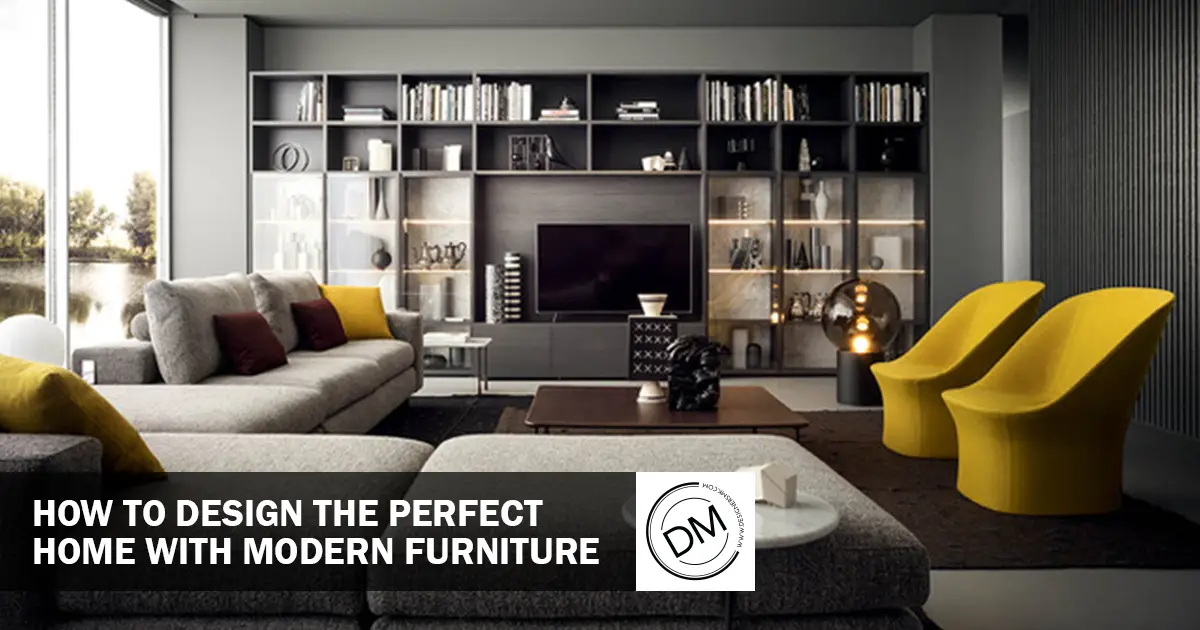
Determining your personal design style is an essential step in choosing the right furniture for a modern indoor lifestyle. It allows you to create a space that not only meets your practical needs but also reflects who you are. By understanding your preferences and aesthetic inclinations, you can select pieces that harmonize with your living environment and enhance your overall well-being.To identify your personal style, consider exploring various design influences and recognizing what resonates with you.
This can involve reflecting on elements like color palettes, materials, and the vibe you wish to evoke in your space. Engaging with design platforms, magazines, or social media can inspire you and help clarify your tastes.
Methods for Determining Your Personal Design Style
Understanding your personal design style involves introspection and exploration. Here are effective methods to assist in this discovery process:
Examine Your Interests: Reflect on your favorite colors, patterns, and textures in clothing, art, or nature. These can provide insights into your aesthetic preferences.
Browse Design Platforms: Platforms like Pinterest or Instagram are treasure troves of design inspiration. Save images that catch your eye, noting common themes or styles.
Visit Showrooms or Home Stores: Physically interacting with furniture and decor can help you gauge your preferences. Observe what pieces draw your attention and consider how they resonate with your style.
Take Style Quizzes: Online quizzes can offer a fun way to pinpoint your style preferences. While not definitive, they can provide direction and clarity.
Integrating Personal Taste with Modern Aesthetics
Combining personal tastes with modern aesthetics is crucial for creating a cohesive design. Here are effective tips to integrate the two:
Choose a Focal Point: Identify a statement piece that showcases your style, such as a vibrant art piece or a unique furniture item. This can serve as the anchor for your décor.
Mix Textures: Incorporate various materials, such as wood, metal, and fabric, to create depth while maintaining a modern touch. Balance hard and soft materials for a harmonious feel.
Color Coordination: Use a palette that includes your favorite colors while ensuring they complement modern shades. Neutral tones often work well with bold accents.
Personal Accessories: Integrate personal items like photographs, travel souvenirs, or heirlooms within a modern framework. These details add character while enhancing the contemporary vibe.
Creating a Mood Board for Furniture Selection
A mood board is an invaluable tool for visualizing your design concepts and ensuring cohesive furniture selection. This creative process allows you to curate your ideas effectively. Here’s how to create an inspiring mood board:
Gather Your Materials: Collect magazines, fabric swatches, paint samples, and images of furniture. Tools like Pinterest can also help you gather digital images for an online mood board.
Select a Theme: Decide on a theme or style direction that resonates with you, focusing on modern design elements that align with your vision.
Arrange Thoughtfully: Start placing your collected materials on a board or a digital platform. Experiment with placement until the visuals feel balanced and aesthetically pleasing.
Review and Refine: Take time to review your mood board. Make adjustments by adding or removing elements to ensure it accurately represents your desired style.
Creating a mood board is like painting with ideas; it allows you to see your vision come to life before making any purchasing decisions.
Space Planning and Layout
Creating a functional and stylish living environment begins with effective space planning and layout. Understanding your room's dimensions, organizing furniture according to its purpose, and ensuring good flow and movement are essential aspects in achieving a modern indoor lifestyle. By getting these elements right, you can transform any space into a harmonious area that caters to both aesthetics and practicality.Accurate room measurement is the cornerstone of effective space planning.
Begin by gathering the necessary tools, such as a tape measure, pencil, and paper. Follow these steps for precise measurements:
Measure the length and width of each wall in the room, noting any architectural features such as windows, doors, or built-in shelves.
Record the height of the walls from floor to ceiling, which can influence your choice of shelving or tall furniture.
Take note of any electrical outlets or heating vents, as these will impact furniture placement.
Finally, create a scaled drawing of your room to visualize how different furniture pieces will fit.
Organizing Furniture Layout According to Room Function
A well-organized furniture layout enhances both the functionality and aesthetics of a room. Consider the primary function of each room and arrange the furniture accordingly. Here are practical guidelines for various spaces:
Living Room
Focus on creating a conversational arrangement. Position sofas and chairs around a central coffee table, ensuring there’s enough space for movement. A good rule of thumb is to leave at least 18 inches between seating and tables for comfort.
Dining Room
Place the dining table in the center of the room, allowing at least 36 inches of clearance around the table for easy movement. This ensures guests can pull out chairs without obstruction.
Bedroom
Position the bed as the focal point, ideally against the wall opposite the door. Use nightstands on either side to create balance and ensure at least 24 inches of walking space around the bed for easy access.
Home Office
Organize the desk to face the entrance to foster a welcoming space. Ensure that there is enough room to comfortably access storage and seating.
Importance of Flow and Movement in Space Planning
Maintaining an open flow in your space is vital for functionality. A well-planned layout prevents clutter and allows for smooth movement throughout the area. Here are key considerations for achieving optimal flow:
Accessibility
Ensure that pathways are clear and furniture placement does not obstruct movement. Wide pathways of at least 36 inches are ideal for high-traffic areas.
Zoning
Use rugs and furniture placement to define zones within open spaces. This can help distinguish between areas such as entertainment and relaxation.
Visual Balance
Distribute furniture and decor evenly throughout the space to create visual harmony. Avoid overcrowding one area while leaving another empty.
Effective space planning not only enhances the functionality of a room but also contributes significantly to the overall aesthetic appeal.
Choosing the Right Materials
Selecting the right materials for your modern furniture is crucial in achieving both aesthetic appeal and practical functionality. Understanding the available options will help you create a home that not only looks stylish but also serves your lifestyle needs effectively and sustainably. From sleek metals to warm woods, the materials you choose can define the ambiance of your space and influence long-term satisfaction with your furniture.
When considering the materials for your furniture, it is important to weigh their durability, maintenance requirements, and environmental impact. Each material comes with its own set of characteristics, making it essential to choose wisely to ensure longevity and ease of care.
Popular Materials for Modern Furniture
Modern furniture is often characterized by its use of innovative and versatile materials. The following list highlights some of the most popular options and their benefits:
Wood: Timeless and durable, wood offers warmth and personality to any room. Hardwoods like oak and walnut are particularly favored for their strength and longevity.
Metal: Sleek metals, such as stainless steel and aluminum, provide a contemporary look and are highly durable. They resist wear, making them ideal for modern living.
Glass: Glass adds a touch of elegance and can make spaces appear larger. Tempered glass is strong and safe, perfect for tabletops or shelving.
Fabric: Upholstered items with high-performance fabrics are equipped to handle spills and stains, ensuring your furniture remains beautiful and functional.
Eco-Friendly Materials: Bamboo and reclaimed wood are fantastic sustainable options, offering the same aesthetic appeal with a lower environmental footprint.
Durability and Maintenance of Various Materials
Understanding the durability and maintenance needs of different materials can help you make informed choices that suit your lifestyle. Here are key insights into their characteristics:
Wood: Requires regular polishing and cleaning to maintain its appearance. Ensure it is properly sealed to prevent scratches and water damage.
Metal: Generally low maintenance; a simple wipe-down with a damp cloth can keep it looking new. However, watch for rusting in humid environments.
Glass: While stunning, glass requires frequent cleaning to avoid smudges and fingerprints. Ensure it is thickened for durability in daily use.
Fabric: Opt for removable and washable covers to maintain hygiene. Choose stain-resistant treatments for added protection.
Eco-Friendly Materials: Often low maintenance and naturally resistant to pests, these materials contribute positively to your health and the environment.
Tips for Selecting Eco-Friendly Furniture Options
In today's environmentally-conscious market, selecting eco-friendly furniture is more accessible and essential than ever. Consider the following when making your choices:
Look for Certifications: Certifications such as FSC (Forest Stewardship Council) ensure that the wood used is sourced sustainably.
Prioritize Local Brands: Supporting local furniture makers reduces carbon footprints associated with transportation.
Explore Recycled Materials: Furniture made from recycled materials can offer unique designs while conserving natural resources.
Choose Non-Toxic Finishes: Opt for pieces finished with water-based paints or natural oils to avoid harmful chemicals in your home.
Invest in Timeless Design: Choosing well-designed, durable pieces reduces the need for frequent replacements, supporting sustainability in the long run.
Choosing the right materials enhances not only the look of your space but also contributes to your well-being and that of the planet.
Color Schemes and Textures
In the realm of modern indoor decor, color schemes and textures play a pivotal role in transforming spaces into stylish and inviting environments. Choosing the right colors can evoke specific moods, enhance the aesthetic appeal of your furniture, and seamlessly blend with the overall design theme of your home. Understanding how to mix and match textures can further elevate your interior, adding depth and interest to your living space.Selecting the right color scheme involves considering both the emotional impact of colors and how they interact with natural and artificial lighting.
A thoughtfully curated palette can create harmony, warmth, and sophistication. In modern decor, neutral bases often serve as the canvas upon which bolder accents can shine. Consider using shades like soft greys, whites, and beiges to set a serene backdrop, allowing you to introduce vibrant colors such as teal, mustard, or emerald in your accessories and furniture pieces.
Mixing and Matching Textures
The art of mixing textures is essential in modern decor, as it adds complexity and tactile appeal to a space. Combining different materials fosters a layered look that can make your interior feel more dynamic and inviting. Here are some guidelines for effectively blending textures:To create a cohesive yet varied space, consider the following:
Balance Hard and Soft Materials: Pair sleek leather chairs with plush fabric cushions to soften the overall look.
Vary Surface Finishes: Contrast matte finishes with glossy surfaces, such as a matte wood table paired with shiny metal accents.
Incorporate Natural Elements: Use woven baskets, linen throws, or wooden decor items alongside contemporary furniture for a harmonious blend.
Layer Textiles: Mix patterns and textures in your rugs, curtains, and cushions to add depth while maintaining a unified color palette.
When considering textures, remember that lighting significantly influences how colors and materials are perceived. Natural light can highlight the subtle variations in textures and shades, while artificial light can create different moods depending on the type and intensity of the illumination.
“Quality lighting can transform the appearance of furniture and textures, enhancing their beauty and impact in the space.”
The placement of furniture also matters; reflective surfaces can bounce light around the room, making it feel more spacious, while darker materials can absorb light, creating a cozy atmosphere. To maximize the effect, strategically position lamps and fixtures to accentuate key pieces and textures within your decor.
Functionality and Versatility: How To Choose The Right Furniture For A Modern Indoor Lifestyle
In contemporary living, where space is often at a premium, the functionality and versatility of furniture have never been more crucial. Selecting multifunctional pieces can transform a small area into a dynamic environment, catering to various needs without compromising style or comfort. This approach not only maximizes utility but also enhances the aesthetic appeal of your home.Multifunctional furniture is essential for small spaces as it serves multiple purposes, allowing you to make the most of every square inch.
By choosing pieces that adapt to your lifestyle, you can easily switch between work, relaxation, and entertaining, ensuring that your living space remains flexible. Opt for designs that can be reconfigured or used in different capacities.
Examples of Versatile Furniture Styles and Designs
When it comes to versatile furniture, several styles stand out for their adaptability and practicality. These pieces not only meet your immediate needs but also evolve with your lifestyle changes. Here are some exemplary options to consider:
Sofa Beds: A classic choice, sofa beds seamlessly transition from a comfortable seating area to a sleeping space, perfect for hosting guests overnight.
Storage Ottomans: Doubling as both seating and storage, these ottomans provide a stylish solution to declutter your living space while offering a place to put your feet up.
Extendable Dining Tables: Ideal for entertaining, these tables can be adjusted to accommodate more guests, allowing you to enjoy large family meals without needing to invest in a permanent large table.
Wall-Mounted Desks: Perfect for small apartments, these desks can be folded away when not in use, creating more room without sacrificing functionality.
Modular Shelving Units: These units can be rearranged and expanded as needed, providing versatile storage solutions that adapt to your changing requirements.
The importance of selecting furniture that not only fits your space but also enhances its usability cannot be understated. Look for designs that offer innovative features while maintaining a cohesive style, ensuring that your home remains both functional and fashionable. By prioritizing functionality and versatility, you can create a living environment that is as adaptable as your lifestyle demands.
Budgeting for Furniture Selection
Creating a budget for furniture selection is essential in ensuring that your investment aligns with both your lifestyle and financial capabilities. A well-planned budget allows you to make informed decisions while enhancing your living space without financial strain. By understanding your needs and setting realistic spending limits, you can curate a home that reflects your style and functionality.Establishing a furniture budget involves several steps that guide you to prioritize your needs while considering quality and aesthetics.
The following steps Artikel an effective approach to budgeting for your furniture purchases, allowing you to invest wisely in your home decor.
Step-by-Step Guide to Creating a Furniture Budget
A systematic approach to creating a furniture budget can help you manage your finances and select pieces that truly enhance your space. Here are the steps to consider:
Assess Your Current Financial Situation: Take a comprehensive look at your income, expenses, and savings to determine how much you can realistically allocate to furniture.
Determine Your Needs: Make a list of essential furniture items that you require, ensuring to distinguish between must-haves and nice-to-haves.
Research Costs: Look for prices of the items on your needs list. Visit stores, browse online retailers, and gather information to understand the market range.
Set a Budget: Based on your research, establish a clear budget for each item. Be mindful to leave some room for unexpected costs or additional items that may arise.
Track Your Spending: Keep a detailed record of your purchases to stay within your budget. This will help you evaluate your spending patterns and adjust as necessary.
Strategies for Finding Quality Furniture Within Budget Constraints
Quality furniture can often come with a hefty price tag, but there are effective strategies to find exceptional pieces that fit your budget. Consider these tips for smart shopping:
Shop During Sales Events: Look for major sales events like Black Friday, Cyber Monday, or clearance sales at the end of the season to score significant discounts.
Explore Thrift and Vintage Stores: Unique, high-quality furniture can often be found at thrift shops or vintage stores, providing character while saving money.
Consider Alternative Brands: Many brands offer stylish options at lower price points without sacrificing quality. Research to find reputable manufacturers that fit your budget.
Look for Handcrafted or Local Artisans: Sometimes local craftsmen provide superior quality furniture for a fraction of the cost compared to larger retailers.
Prioritizing Purchases Based on Necessity and Impact
When furniture shopping, it’s important to prioritize your purchases based on necessity and the impact the items will have on your living space. Here are some insights on how to effectively prioritize:
“Invest in pieces that will serve dual purposes, enhance comfort, and elevate the aesthetic appeal of your home.”
Focus on Key Living Areas: Prioritize furniture that will impact the most used areas first, such as the living room or bedroom.
Evaluate Functionality: Choose items that provide both comfort and practicality, such as a sofa bed or an extendable dining table, which can accommodate guests and save space.
Consider Timeless Pieces: Invest in classic furniture that won’t go out of style quickly, ensuring longevity and continued relevance in your decor.
Make Gradual Investments: Consider spreading out your purchases over time to manage your budget effectively and avoid impulse buying.
Shopping and Sourcing Furniture
Finding the right furniture to complement your modern indoor lifestyle involves careful research and consideration. With a plethora of options available, both online and offline, navigating the furniture market can be overwhelming. However, knowing how to effectively source and evaluate furniture can lead you to stylish, quality pieces that enhance the functionality of your living space.The process of shopping for furniture begins with thorough research.
Start by identifying local stores that specialize in modern furniture. Visiting these stores allows you to experience the furniture’s scale and comfort firsthand. Additionally, explore online retailers that offer a broader range of styles and price points. While browsing online, take advantage of filtering options to narrow down your choices based on size, material, and style preferences.
Researching Furniture Stores
Choosing the right furniture stores requires evaluating both online and offline options. Here are some essential steps to help you in the process:
Local Showrooms: Visit local furniture stores to see pieces in person. This firsthand experience allows you to assess scale, comfort, and craftsmanship.
Online Retailers: Explore reputable online platforms like Wayfair, West Elm, and CB2 for a wider selection. Look for user-friendly interfaces that allow you to filter by specific criteria.
Social Media and Blogs: Follow design influencers on platforms like Instagram and Pinterest. They often showcase and recommend furniture brands that align with modern aesthetics.
Trade Shows: Attend furniture expos or trade shows to discover emerging brands and innovative designs while networking with industry professionals.
Evaluating the quality of furniture is crucial in ensuring longevity and value for your investment. It’s essential to distinguish between high-quality and lower-quality options during your shopping journey.
Evaluating Quality of Furniture, How to Choose the Right Furniture for a Modern Indoor Lifestyle
Understanding how to assess furniture quality can save you from future disappointment. Here are key indicators to consider:
Materials: Look for solid wood frames or high-quality metal for durability. Avoid particleboard or low-density fiberboard as they are less sturdy.
Construction: Check for dovetail joints in drawers and strong joints in frames. High-quality furniture often features these construction methods, ensuring stability.
Upholstery: Examine the fabric for wear resistance and durability. Look for high-thread-count fabrics and pay attention to seams for even stitching.
Weight: Heavier furniture often indicates solid construction and quality materials. If a piece feels light, it may not be built to last.
Reading reviews and ratings for furniture brands is an important step in making informed purchasing decisions. Customer feedback provides valuable insights into the durability and satisfaction levels of various furniture pieces.
Importance of Reading Reviews
Customer reviews can significantly influence your shopping experience by providing real-world insights. Consider the following aspects:
Consumer Experiences: Reading about others' experiences helps highlight the strengths and weaknesses of specific furniture items.
Star Ratings: Pay attention to overall ratings. A high number of positive ratings typically reflects a reputable brand committed to quality.
Detailed Feedback: Look for comprehensive reviews that discuss aspects like comfort, ease of assembly, and customer service experiences.
Return Policies: Knowledge of return policies shared by other consumers can safeguard your purchase, ensuring you can return items that don’t meet your expectations.
In conclusion, effective shopping and sourcing of furniture require a strategic approach that involves researching options, evaluating quality, and leveraging customer reviews. This comprehensive process will lead you to the perfect pieces that not only enhance your indoor lifestyle but also stand the test of time.
Personalizing Your Space
Creating a unique indoor environment that reflects your personal taste is essential for a modern lifestyle. Personalizing your space allows you to transform a house into a home, making it an oasis that exudes comfort and style. By thoughtfully accessorizing and incorporating distinctive elements, you can create a harmonious balance between aesthetics and functionality, while ensuring that your furniture arrangement feels truly yours.
The role of art and decor in enhancing furniture choices cannot be overstated. It serves as the perfect complement to your selected pieces, providing character and depth to your overall design. Wall art, sculptures, and decorative accents can highlight the textures and colors in your furniture, while also adding visual interest to your space. Consider the following tips to personalize your area effectively:
Accessorizing and Enhancing with Textiles and Plants
Accessorizing is key to infusing your personality into your living space. Textiles, such as cushions, throws, and rugs, can dramatically change the feel of a room while adding warmth and comfort. Similarly, plants not only enhance aesthetics but also improve air quality, making your home a healthier environment. Here are some effective ways to incorporate these elements:
Cushions and Throws: Mix and match textures and patterns to create a layered look on sofas and chairs. Opt for vibrant colors that contrast or complement your furniture palette for a striking effect.
Area Rugs: Use rugs to define spaces and add visual separation, especially in open-plan living areas. Choose designs that resonate with your personal style, from bold geometric patterns to soft, inviting textures.
Indoor Plants: Integrate a variety of plants, such as snake plants or pothos, to breathe life into your space. Consider using decorative pots that enhance your furniture’s style, whether it be modern, rustic, or eclectic.
Wall Art: Select pieces that speak to your personality or experiences. Gallery walls can be a stunning focal point that tells your story through a collection of prints, photographs, or paintings.
Decorative Objects: Use books, sculptures, and crafted items as centerpieces on tables or shelves. These can reflect your interests and travels, making your space feel lived-in and relatable.
Incorporating a mix of these accessories not only personalizes your space but also creates a cohesive environment that aligns with a modern indoor lifestyle. Each element adds depth, inviting guests to feel the unique character of your home. By carefully selecting and arranging these personal touches, you will not only enhance your furniture but also elevate your lifestyle experience.
Essential Questionnaire
What defines a modern indoor lifestyle?
A modern indoor lifestyle emphasizes simplicity, functionality, and a connection to the outdoors, characterized by open spaces, sustainable materials, and a blend of comfort and style.
How can I determine my personal design style?
You can determine your personal design style by reflecting on your preferences, exploring various styles online, and creating a mood board that showcases colors, textures, and designs that resonate with you.
What are some tips for space planning?
Measure your room accurately, consider the flow of movement, and arrange furniture based on the function of the space to enhance usability and comfort.
How do I choose eco-friendly furniture?
Look for furniture made from sustainable materials, check for certifications like FSC (Forest Stewardship Council), and prioritize brands committed to environmentally friendly practices.
What should I consider when budgeting for furniture?
Identify essential items, set a realistic budget based on your financial situation, and prioritize quality over quantity to ensure your selections stand the test of time.