Indoor hobbies that can reduce stress effectively open the door to a world of creativity, relaxation, and mental peace. In today's fast-paced life, finding ways to unwind and decompress is essential, and engaging in various indoor activities offers a perfect solution. From crafting and gardening to cooking and exercising, these hobbies not only provide joy but also contribute significantly to reducing stress levels and enhancing overall well-being.
Exploring these hobbies allows individuals to escape the daily grind, stimulating their minds and nurturing their souls. Whether it's the soothing act of planting flowers in an indoor garden or the rhythmic chopping in the kitchen, each activity serves as a sanctuary from life's pressures. Dive into the realm of indoor hobbies and discover how they can transform your relaxation routine into a fulfilling escape.
Introduction to Indoor Hobbies
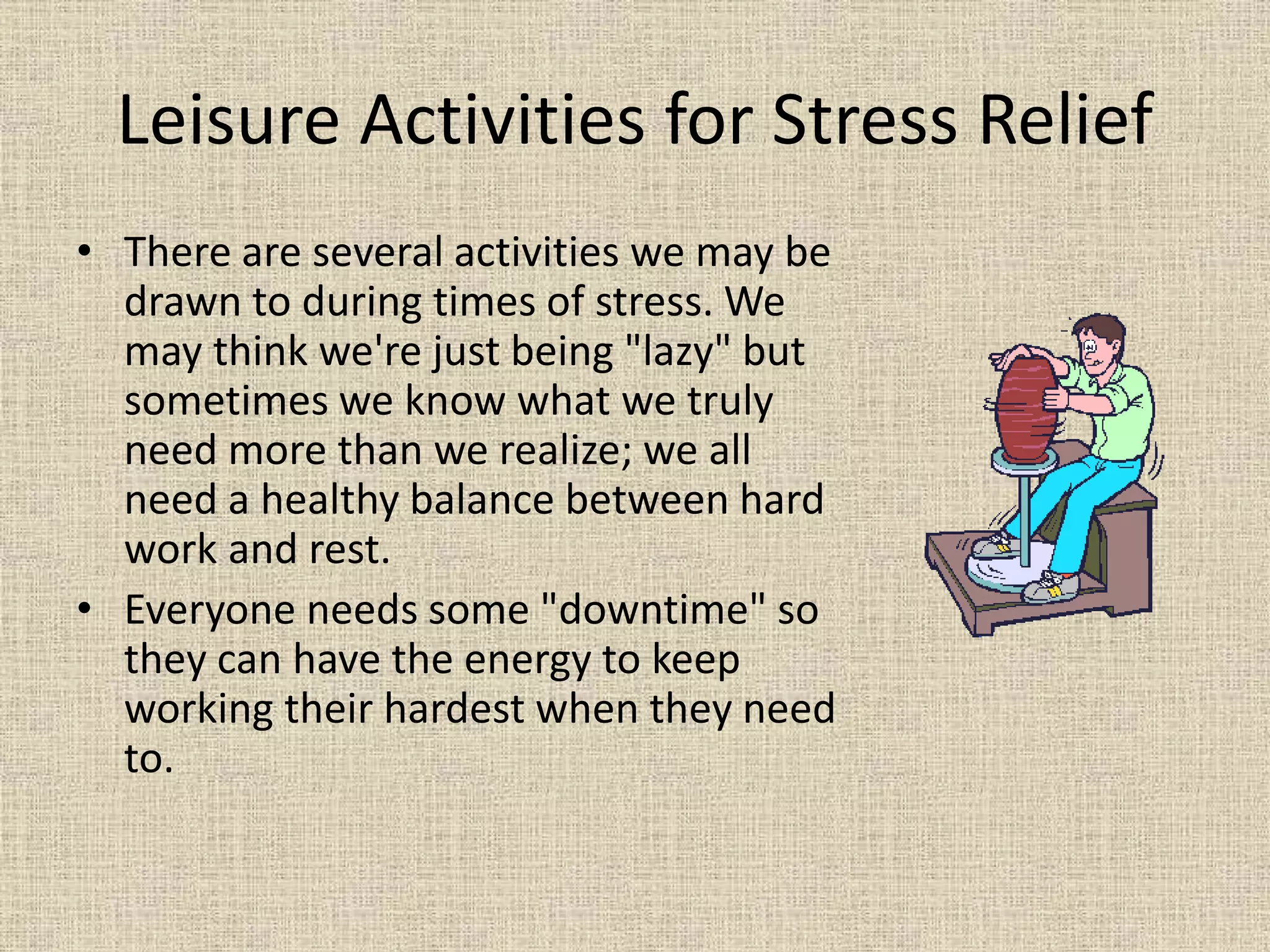
Indoor hobbies are activities that individuals engage in within the confines of their homes or indoor spaces. In today's fast-paced and often chaotic world, these hobbies play a crucial role in providing an escape from daily stressors. They offer a sanctuary for relaxation and creativity, allowing individuals to unwind and recharge. The importance of indoor hobbies extends beyond mere entertainment; they serve as valuable tools for fostering mental well-being, enhancing our quality of life, and promoting a sense of accomplishment.Engaging in indoor hobbies can significantly contribute to stress reduction.
These activities provide a distraction from the pressures of daily life, allowing individuals to focus on something enjoyable and fulfilling. Whether it's painting, knitting, or playing a musical instrument, the act of immersing oneself in a hobby can trigger the release of dopamine, a neurotransmitter associated with pleasure and reward. This biochemical reaction can help alleviate feelings of anxiety and promote relaxation, making indoor hobbies an effective strategy for managing stress.
Psychological Benefits of Engaging in Indoor Hobbies
Participating in indoor hobbies brings about numerous psychological benefits that can improve mental health. These benefits include enhanced creativity, improved mood, and increased self-esteem. Below are some key psychological advantages associated with indulging in indoor hobbies:
Enhanced Creativity:
Indoor hobbies often require creative thinking and problem-solving, which can stimulate the brain and foster innovative thinking.
Improved Mood:
The engagement in enjoyable activities has been shown to elevate mood levels, counteracting feelings of sadness or anxiety.
Increased Self-Esteem:
Completing a project or mastering a new skill through a hobby can boost confidence and self-worth.
Mindfulness and Presence:
Many indoor hobbies encourage individuals to focus on the present, creating a meditative state that reduces stress and enhances emotional stability.
Social Connections:
Some hobbies, such as crafting or gaming, offer opportunities for social interaction, fostering a sense of community and belonging that is essential for mental health.
The act of engaging in these hobbies not only provides a form of entertainment but also serves as a vital component of a healthy lifestyle, helping individuals to cope more effectively with life’s challenges.
Crafting and DIY Activities
Engaging in crafting and DIY activities offers a therapeutic escape from daily stresses. Creating something tangible can bring immense satisfaction and a sense of accomplishment. Whether it's knitting a cozy scarf or building a birdhouse, these hands-on activities can help calm the mind and provide a creative outlet.Crafting not only encourages creativity but also promotes mindfulness. By focusing on the task at hand, individuals can divert their minds from worries and be present in the moment.
Here are a few popular crafting activities that effectively alleviate stress.
Popular Crafting Activities
These crafting activities are both enjoyable and effective for stress relief. Each requires different materials and skills, providing options for everyone from beginners to seasoned crafters.
Knitting or Crocheting: A rhythmic, repetitive motion that can serve as a form of meditation.
Painting or Drawing: A way to express emotions and thoughts through colors and forms.
Scrapbooking: Preserving memories while engaging in a creative process.
Woodworking: Tactile and satisfying, working with wood can be incredibly rewarding.
Jewelry Making: Creating wearable art can enhance personal style and provide a sense of achievement.
Before diving into these crafts, it's essential to gather the necessary materials. Below is a list tailored for some popular DIY projects:
Materials Needed for Popular DIY Projects
Each crafting project has its unique requirements. Having the right materials on hand ensures a smooth and enjoyable crafting experience. Below is a comprehensive list of materials for various projects.
Knitting: Yarn, knitting needles, scissors, and a measuring tape.
Painting: Canvases, paintbrushes, acrylic or watercolor paints, and a palette.
Scrapbooking: Scrapbook album, decorative papers, scissors, adhesive, and embellishments like stickers.
Woodworking: Wood pieces, saw, hammer, nails, drill, and sandpaper.
Jewelry Making: Beads, wire, pliers, and clasps.
Understanding the step-by-step procedures for crafting can enhance the experience and ensure successful outcomes. Below are simplified steps for creating a popular craft project.
Step-by-Step Procedure for Creating Simple Crafts
Each craft project can generally be broken down into manageable steps that guide the creator through the process.
"Creating through crafting is not just about the end product; it's about enjoying the journey."
For example, here’s how to create a simple knitted scarf:
Choose Your Yarn: Select a soft yarn in your preferred color.
Cast On Stitches: Using your knitting needles, cast on the desired number of stitches.
Knit the Rows: Alternate between knit and purl stitches for texture.
Continue Knitting: Keep knitting until the scarf reaches your desired length.
Bind Off: Secure the stitches and cut the yarn, leaving a tail for weaving in.
Weave in Ends: Use a tapestry needle to hide any loose ends.
Crafting and DIY activities are not only fun but also an excellent way to unwind and recharge. Each unique project can be tailored to individual preferences, creating a fulfilling and relaxing experience. So gather your materials, unleash your creativity, and let the stress melt away through the art of crafting!
Indoor Gardening
Indoor gardening offers a unique and fulfilling way to enhance mental well-being while enriching your living space. Engaging with plants not only brings a touch of nature indoors but also significantly reduces stress and anxiety levels. The act of nurturing plants can lead to feelings of accomplishment and tranquility, making it an ideal hobby for anyone looking to unwind in the comfort of their home.The myriad benefits of indoor gardening extend beyond mere aesthetics.
Research indicates that spending time with indoor plants can lower blood pressure and improve overall mood. Some plants even purify the air by removing toxins, contributing to a healthier living environment. The therapeutic aspects of gardening—such as increased mindfulness and creativity—play a crucial role in mental health, making it a powerful antidote to daily stresses.
Types of Indoor Plants and Their Care
Choosing the right plants for your indoor garden is essential for both aesthetic appeal and ease of maintenance. Numerous plants thrive indoors, each with unique benefits and care requirements. Below is a selection of popular indoor plants that are known for their hardiness and air-purifying qualities.
Spider Plant: Known for its air-purifying capabilities, the spider plant is resilient and requires indirect sunlight. Water it when the soil feels dry to the touch.
Pothos: A trailing vine that adapts well to various light conditions; pothos is low-maintenance and only needs watering when its leaves start to droop.
Peace Lily: This beautiful flowering plant thrives in low light and blooms even without much care. It prefers to be watered once a week.
Snake Plant: Extremely hardy and tolerant of neglect, the snake plant thrives in various environments. Water it every couple of weeks, allowing the soil to dry out completely between waterings.
Setting up an indoor garden requires thoughtful planning and the right tools to ensure your plants flourish. Here’s an overview of what you need to create the perfect indoor gardening space.
Setup Process for Indoor Gardening
Creating your indoor garden involves several steps, including selecting the right location, gathering necessary tools, and ensuring proper lighting. Setting up an indoor garden can be both fun and rewarding, providing a nurturing space for your plants.To start, identify a suitable location in your home that receives adequate natural light, whether it be near a window or under grow lights.
The next step is to gather essential tools and materials. Consider the following:
Containers</: Choose pots with drainage holes to prevent overwatering.
Soil: Use a high-quality potting mix suited for indoor plants to promote healthy growth.
Watering Can: A well-designed watering can helps you control the amount of water your plants receive.
Fertilizers: A balanced, water-soluble fertilizer can provide the nutrients your plants need to thrive.
Grow Lights: If natural light is limited, investing in grow lights can help maintain healthy plant growth.
"Engaging with indoor plants not only beautifies your home but also fosters a sense of peace and well-being."
Once you've gathered your tools, arrange your plants according to their light and space requirements. Regular maintenance, including watering, pruning, and monitoring for pests, will keep your indoor garden healthy and vibrant. Embrace the joy of indoor gardening, and watch as your small oasis flourishes, bringing tranquility and satisfaction into your home.
Cooking and Baking
Cooking and baking are not just essential skills; they can also serve as powerful tools for stress relief. Engaging in these activities allows the mind to focus on the present moment, creating an effective escape from daily stressors. The rhythmic motions of chopping, stirring, and kneading can bring a sense of tranquility, while the enticing aromas and vibrant colors stimulate the senses and uplift the mood.Meal preparation and presentation possess therapeutic qualities that extend beyond mere nourishment.
The process of cooking can foster mindfulness, encouraging individuals to connect with their ingredients and the joy of creation. As you immerse yourself in the culinary world, you can explore unique cooking techniques that enhance this calming experience.
Unique Cooking Techniques for Calmness
Incorporating specific cooking techniques can enhance the soothing effects of meal preparation. Here are some methods to consider:
Slow Cooking: Utilizing a slow cooker allows for a low-pressure cooking environment, letting ingredients meld together over time, creating rich flavors.
Mindful Chopping: Take your time to chop vegetables thoughtfully. Focus on the texture of the produce and the sound of the knife cutting, fostering a meditative state.
Batch Cooking: Preparing meals in bulk can be a rewarding experience. It reduces weekday stress by providing ready-to-eat options, freeing up time for relaxation.
Stress-Reducing Recipes to Try at Home
Cooking with intention can lead to delightful meals that are both nourishing and comforting. Here are some stress-reducing recipes to explore:
Herbal Chamomile Tea: A calming beverage made by steeping chamomile flowers in hot water, perfect for winding down.
Vegetable Stir-Fry: A colorful mix of your favorite vegetables sautéed in a splash of soy sauce, offering a quick and healthy meal option.
Banana Oatmeal Cookies: A simple recipe using ripe bananas, oats, and chocolate chips for a guilt-free treat that satisfies cravings.
Therapeutic Aspects of Meal Preparation and Presentation
The act of preparing meals can engage the senses, serving as a form of art. Focusing on the presentation of food not only makes meals visually appealing but also enhances the eating experience. When plating your dishes, consider these elements:
Color Balance: Use a variety of colorful ingredients to create vibrant plates that are pleasing to the eye.
Texture Variety: Combine different textures, such as crunchy vegetables with creamy sauces, to provide a delightful contrast.
Garnishing: Adding fresh herbs or a sprinkle of spices can elevate the visual appeal and flavor, transforming a simple meal into a gourmet experience.
"The art of cooking is the art of adjustment; it encourages creativity while inviting mindfulness."
Exercise and Fitness at Home
Engaging in regular exercise is a powerful method for reducing stress and improving overall well-being. With the comfort of your indoor space, you can incorporate a variety of workouts that not only elevate your heart rate but also soothe your mind. Whether you’re a seasoned fitness enthusiast or just beginning your journey, indoor exercise can be tailored to suit your lifestyle and preferences.Indoor workouts offer a unique opportunity to focus on various aspects of fitness, including strength, flexibility, and cardiovascular health.
Below, discover an array of effective exercises perfect for indoor environments, along with a structured weekly plan and insights on maintaining mindfulness throughout your fitness routine.
Indoor Exercises That Reduce Stress Levels
Exploring different indoor exercises is essential for developing a well-rounded fitness routine. Below are some effective indoor exercises that can significantly reduce stress levels:
Yoga: This ancient practice combines physical poses, breath control, and meditation to promote relaxation and mental clarity. Styles such as Hatha or Yin yoga are particularly beneficial for stress relief.
Pilates: Focused on core strength and flexibility, Pilates enhances body awareness and encourages mindfulness through controlled movements.
Bodyweight Training: Exercises like push-ups, squats, and lunges can be done anywhere and help build strength without any equipment, allowing for a quick, effective workout.
Dance Workouts: A fun way to elevate your mood while getting a great cardio workout. Styles like Zumba or even following dance tutorials online can be joyous and invigorating.
High-Intensity Interval Training (HIIT): Short bursts of intense activity followed by rest periods can be accomplished in small spaces and are effective for fat burning and stress reduction.
Weekly Exercise Plan Incorporating Indoor Workouts
Creating a structured weekly exercise plan ensures consistency and a balanced approach to fitness. Below is a sample weekly exercise plan that combines various indoor workouts:
Day Workout Type Duration
Monday Yoga 30 minutes
Tuesday Bodyweight Training 30 minutes
Wednesday Pilates 30 minutes
Thursday HIIT 20 minutes
Friday Dance Workouts 30 minutes
Saturday Rest Day -
Sunday Active Recovery (Walking or Light Stretching) 30 minutes
Maintaining a varied routine not only keeps things exciting but also ensures that different muscle groups are engaged, further enhancing the stress-relief benefits of each workout.
Importance of Mindfulness During Home Workouts
Incorporating mindfulness into your home workouts greatly enhances the mental and physical benefits of exercise. Being present during your workout helps to focus your mind and reduces anxiety. Here are ways to practice mindfulness while exercising:
Set Intentions
Before starting your workout, take a moment to set a clear intention for what you want to achieve, whether it's relaxation, strength, or simply a mood boost.
Focus on Breathing
Concentrate on your breath as you move through exercises. This not only improves your performance but also calms your mind.
Listen to Your Body
Pay attention to how your body feels during each movement. This awareness helps prevent injury and encourages a deeper connection with yourself.
Limit Distractions
Create a workout environment free from distractions, such as turning off notifications on your phone, to enhance your focus and presence.
End with Reflection
Take a few moments after your workout to reflect on how you feel physically and mentally. This practice reinforces the positive impact of exercise on stress reduction.By integrating these mindfulness techniques into your indoor workouts, you can create a holistic approach that nurtures both your body and mind.
Reading and Writing: Indoor Hobbies That Can Reduce Stress Effectively
Engaging in reading and writing can create an oasis of calm in our busy lives. Both activities provide a unique escape, allowing individuals to immerse themselves in different worlds or express their own thoughts and feelings. This combination of escapism and self-expression can significantly reduce stress and promote mental well-being.Reading offers a powerful means of stress relief. When we dive into a captivating story, we can momentarily detach from our daily worries and anxieties.
This mental getaway not only enhances our creativity but also provides a fresh perspective on our own challenges. The act of reading has been linked to lower heart rates and reduced levels of cortisol, the stress hormone.
Recommended Books for Stress Relief
Choosing the right book can enhance the stress-relief experience. Below is a list of books that are particularly effective at providing comfort and relaxation:
The Alchemist by Paulo Coelho
-A beautifully written tale about following one's dreams and finding one's purpose, inspiring readers to embrace life's journey.
The Art of Happiness by Dalai Lama
-This book combines philosophy, psychology, and spirituality, offering wisdom on cultivating happiness and reducing stress.
Big Magic by Elizabeth Gilbert
-Gilbert’s exploration of creativity and the courage to pursue your passions serves as a reminder to embrace life’s uncertainties.
Where the Crawdads Sing by Delia Owens
-A poignant coming-of-age story set in nature, this novel offers a sense of peace amidst its gripping narrative.
The Little Book of Hygge by Meik Wiking
-This guide to Danish living promotes comfort and coziness, which can be comforting during stressful times.
Writing also serves as an effective form of stress relief. Through journaling or creative writing, individuals can articulate their thoughts, feelings, and experiences. This practice not only fosters a deeper understanding of oneself but also acts as a therapeutic outlet for pent-up emotions.
Writing Exercises for Relaxation
Incorporating writing into a daily routine can significantly enhance mental clarity and relaxation. Below are some writing exercises designed to promote relaxation:
Journaling: Set aside 10-15 minutes daily to write about your thoughts and feelings. Focus on gratitude by writing down three things you are thankful for each day.
Stream of Consciousness Writing: Allow your thoughts to flow freely onto the page without worrying about grammar or coherence. This exercise can help clear your mind and release tension.
Letter Writing: Write letters, whether to yourself, a friend, or someone you admire. Expressing thoughts in this manner can be healing and enlightening.
Creative Storytelling: Engage your imagination by creating short stories or poems. This exercise not only boosts creativity but also allows for emotional exploration.
Mind Mapping: Use a blank page to visually map your feelings, ideas, or any topic of interest. This technique can help organize thoughts and reduce overwhelm.
Playing Musical Instruments
Engaging in music through playing instruments is a powerful way to alleviate stress and enhance mental well-being. The act of making music can be a therapeutic outlet that fosters creativity and provides a sense of accomplishment. Whether you are a novice or have some experience, the journey of learning an instrument can lead to emotional relief and increased happiness.Playing musical instruments offers a multitude of mental health benefits.
It can lower stress levels, improve mood, and enhance cognitive function. Research has shown that music stimulates the brain, releasing dopamine, a chemical associated with pleasure. Additionally, focusing on music can serve as a form of mindfulness, helping individuals live in the moment and forget about their worries.
Instruments Suitable for Beginners and Their Stress-Relief Properties
For those looking to start their musical journey, choosing the right instrument can significantly impact their experience. Here are some beginner-friendly instruments that not only ease the learning curve but also serve as excellent stress relievers:
Ukulele
-Known for its cheerful sound and light weight, the ukulele is easy to learn and can evoke feelings of joy and relaxation. Its four strings make it a great choice for beginners.
Piano
-Playing the piano can be incredibly soothing. The wide range of sounds and the ability to play both melody and harmony allow for creative expression that can reduce anxiety.
Guitar
-With its versatility, the guitar can be played in various styles, from soothing ballads to uplifting rhythms. Strumming chords can be a great way to release tension.
Keyboard
-Similar to the piano, keyboards often come with additional features like sound effects and accompaniment styles, providing an engaging way to explore music.
Drums
-Playing the drums can be a fantastic physical outlet. The act of drumming can help release pent-up energy and emotions, leading to a cathartic experience.
Creating a practice schedule that promotes relaxation can further enhance the benefits of playing music. By dedicating specific times to practice, individuals can create a routine that becomes a cherished part of their day. Here are some tips for developing a practice schedule that fosters relaxation through music:
Set Realistic Goals
-Start with small, achievable goals to build confidence and avoid frustration. Celebrate progress to maintain motivation.
Designate a Calm Space
-Choose a quiet area free from distractions. Create a comfortable and inviting environment that encourages creativity.
Incorporate Mindful Practices
-Begin each session with a moment of mindfulness or deep breathing to center yourself before playing, enhancing the therapeutic effects of music.
Schedule Short Sessions
-Aim for consistent, shorter practice sessions rather than infrequent long sessions. This prevents burnout and keeps you engaged.
Experiment with Different Times
-Find what works best for you, whether it's morning, afternoon, or evening practice. Listen to your body and choose when you feel most relaxed.
Puzzles and Games
Engaging in puzzles and brain games is not only entertaining but also a valuable way to reduce stress. These activities stimulate the mind, encouraging focus and problem-solving skills while creating a sense of accomplishment. With various options available, individuals can find the perfect challenge that fits their interests and needs.Puzzles and games have been shown to enhance cognitive function, improve mood, and promote relaxation.
Immersing oneself in these activities can divert attention from daily stressors and create a meditative state. Below are some popular puzzles that effectively aid in stress relief, each offering unique challenges and benefits.
Popular Puzzles for Stress Relief
Incorporating puzzles into your daily routine can serve as a wonderful escape. Here is a list of some of the most popular options:
Jigsaw Puzzles: These visual challenges can range from simple 100-piece sets to complex 5000-piece masterpieces. Completing a jigsaw puzzle requires patience and concentration, allowing the mind to focus entirely on the task at hand.
Sudoku: This number-placement game enhances logical thinking and offers a satisfying sense of achievement as you fill in the grid correctly. It's an excellent way to train your brain while enjoying some quiet time.
Crossword Puzzles: These word-based challenges are perfect for those who enjoy vocabulary and trivia. Engaging with crosswords not only helps alleviate stress but also sharpens language skills.
Word Searches: A fun and less demanding option, word searches can be tackled at a leisurely pace, promoting relaxation while searching for hidden words.
Brain Teasers: Riddles and logic puzzles stimulate critical thinking and promote a sense of curiosity, enticing you to think outside the box.
Incorporating fun games and puzzles into daily routines can significantly enhance your well-being. Here are some effective strategies to seamlessly integrate these activities:
Strategies for Incorporating Games into Daily Routines
Finding time for games in a busy schedule can be simple with the right approach. Here are some strategies to consider:
Designate a Relaxation Corner: Create a cozy nook in your home dedicated to puzzles and games. This can serve as a calming retreat where you can unwind at the end of the day.
Set a Timed Challenge: Allocate a specific time each day for puzzle-solving. For instance, setting aside 20 minutes to complete a Sudoku or a portion of a jigsaw puzzle can create a consistent routine.
Involve Family and Friends: Make puzzle-solving a social activity by inviting loved ones to join in. Playing games together fosters connection and enhances the enjoyment of the experience.
Use Apps and Online Games: Many games and puzzles have digital versions available, allowing for on-the-go entertainment. These options can be easily accessed during breaks or downtime.
Challenge Yourself: Keep the experience fresh by setting personal goals, such as completing a set number of puzzles each week or trying a different type of game.
Engaging in puzzles and games can serve as a powerful tool for stress relief, allowing individuals to take a break from their busy lives while enhancing cognitive skills and promoting relaxation. Whether you enjoy jigsaw puzzles or brain teasers, there is something for everyone to explore and enjoy.
Meditation and Mindfulness Practices
Engaging in meditation and mindfulness practices can significantly enhance your mental well-being and reduce stress levels. These techniques allow individuals to cultivate awareness and foster a sense of calm, making them perfect indoor hobbies that promote relaxation and inner peace. By incorporating meditation into your daily routine, you can experience profound emotional and psychological benefits.Different types of meditation techniques are available, each tailored to suit various preferences and lifestyles.
The following are some popular forms of meditation that can be easily practiced indoors:
Types of Meditation Techniques Suited for Indoor Practice
Understanding different meditation techniques is key to finding a practice that resonates with you. Here are several effective methods:
Mindfulness Meditation: This involves focusing on the present moment and observing thoughts without judgment. It enhances awareness of your thoughts and feelings, aiding in stress reduction.
Guided Meditation: This practice utilizes audio recordings or apps to lead you through a visualization or relaxation process. It's excellent for beginners seeking direction.
Transcendental Meditation: A simple technique where you silently repeat a specific mantra to settle your mind into profound rest.
Body Scan Meditation: This method involves focusing on different parts of your body to develop awareness and release tension.
Loving-Kindness Meditation: This involves mentally sending goodwill and kindness to yourself and others, fostering feelings of compassion and connection.
Setting up a dedicated meditation space at home can enhance your practice by creating an inviting atmosphere. A calm environment is essential for effective meditation and mindfulness sessions.
Step-by-Step Guide to Setting Up a Meditation Space at Home, Indoor hobbies that can reduce stress effectively
Creating a tranquil meditation space is straightforward and can be personalized to your preferences. Follow these key steps to establish your meditation nook:
Choose a Quiet Location: Find a place in your home where you can retreat without interruptions, such as a corner of your bedroom or living room.
Add Comfortable Seating: Use a meditation cushion, yoga mat, or chair that provides comfort, allowing you to maintain a relaxed posture.
Control the Lighting: Soft, natural lighting or dim lamps can create a calming ambiance. Consider using candles for a touch of serenity.
Incorporate Calming Elements: Add plants, soft textiles, or calming images that promote peace and relaxation. Essential oil diffusers can also enhance the atmosphere.
Minimize Clutter: Keep the area tidy and free from distractions to maintain focus during your sessions.
Regular mindfulness practices, including meditation, offer numerous long-term benefits for stress management. Here are some of the key advantages:
Long-Term Benefits of Regular Mindfulness Practices on Stress Reduction
Sustained mindfulness can lead to profound changes in both mental and physical health, creating pathways to lasting peace and resilience. Some of the primary benefits include:
Lowered Stress Levels: Regular practice can reduce the production of stress hormones, leading to a calmer state of mind.
Improved Focus and Concentration: Mindfulness enhances cognitive abilities, allowing for better attention control and task management.
Enhanced Emotional Regulation: Practicing mindfulness helps individuals recognize and manage their emotions, reducing anxiety and fostering emotional stability.
Better Sleep Quality: Mindfulness techniques promote relaxation, leading to improved sleep patterns and overall restfulness.
Strengthened Resilience: Regular mindfulness cultivates a sense of inner strength, enabling individuals to cope better with life's challenges.
“Mindfulness is a way of befriending ourselves and our experience.” – Jon Kabat-Zinn
Conclusion and Call to Action
Engaging in indoor hobbies offers a wonderful opportunity to alleviate stress and rejuvenate the mind. These activities can transform your environment into a sanctuary of creativity and relaxation. By immersing yourself in various hobbies, you can discover the perfect outlet that resonates with your interests and lifestyle.Establishing a routine dedicated to your chosen hobbies is critical for maximizing their stress-reducing benefits.
Setting aside specific times each week allows you to prioritize self-care and mental well-being. Here are some strategies to maintain consistency in your hobby practice:
Strategies for Consistency in Hobby Practice
Creating a sustainable routine requires commitment and planning. Implementing structured techniques can help ensure that your hobby time becomes a regular part of your life.
Schedule Regular Sessions: Reserve specific days and times each week solely for your hobbies. Treat these sessions as important appointments that you cannot miss.
Set Realistic Goals: Begin with achievable objectives to prevent overwhelm. Whether it's completing a craft project or reading a chapter, small goals can foster a sense of accomplishment.
Create a Dedicated Space: Designate a comfortable area in your home for your hobbies. Having a specific spot can enhance focus and productivity, making it easier to engage in activities.
Join a Community: Connect with like-minded individuals, whether online or in person. Being part of a group can provide motivation, accountability, and inspiration as you explore your interests.
Track Progress: Keep a journal or log of your hobby activities. Documenting your experiences can boost motivation and remind you of your journey and growth.
"Dedicate time to what you love, and watch your stress melt away."
Embrace the joy of discovering new indoor hobbies, and remember to nurture your mental health through these creative outlets. Prioritize self-care and make space for activities that bring you joy, peace, and fulfillment.
FAQ Corner
What indoor hobbies are best for beginners?
Beginner-friendly indoor hobbies include crafting, journaling, and gardening.
How do indoor hobbies help with stress?
They provide a creative outlet, promote relaxation, and offer distraction from daily stresses.
Can indoor hobbies improve mental health?
Yes, they can enhance mood, reduce anxiety, and improve overall mental well-being.
How often should I engage in indoor hobbies?
It's beneficial to set aside at least a few hours each week to engage in indoor hobbies.
Are there indoor hobbies that require minimal investment?
Yes, hobbies like reading, writing, and simple DIY projects can be started with minimal costs.