With ways to embrace slow living in a fast world at the forefront, dive into a transformative journey that redefines your relationship with time and lifestyle. In a society driven by urgency and constant connectivity, the concept of slow living emerges as a refreshing antidote, offering a chance to reconnect with what truly matters. This approach not only nurtures your mental and physical health but also revitalizes your life by encouraging mindfulness, simplicity, and meaningful interactions.
Understanding slow living is essential in today's fast-paced environment, where the pressure to keep up can often be overwhelming. By adopting a slower mindset, individuals can experience profound benefits, from reduced stress levels to enhanced creativity. Historical perspectives reveal that slow living is not a new phenomenon; it has roots in various cultures that prioritize well-being and intentional living, making it highly relevant in our modern society.
Understanding Slow Living
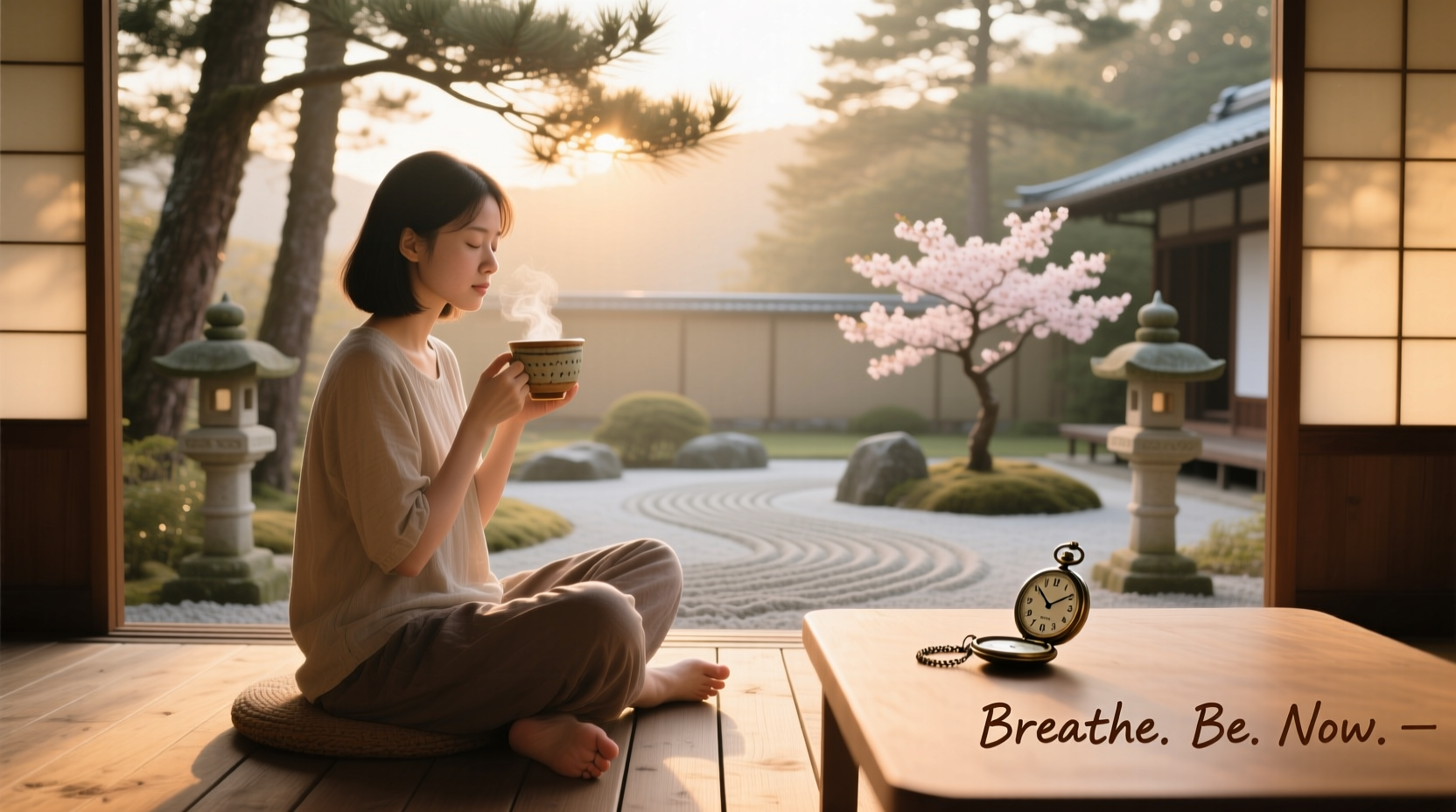
In an era dominated by constant connectivity and the pursuit of speed, slow living emerges as a refreshing antidote. This lifestyle philosophy encourages individuals to prioritize mindfulness, intentionality, and quality over the relentless pace of modern life. Embracing slow living allows for a more meaningful and enriching experience, fostering a deep connection with oneself and the world around.The significance of slow living in today’s fast-paced world cannot be overstated.
It serves as a counterbalance to the stress and chaos that often accompany our daily routines. By adopting a slow living mindset, individuals can reap numerous benefits for their mental and physical health, resulting in a more balanced lifestyle. This approach emphasizes the importance of taking time for reflection, savoring experiences, and nurturing relationships, ultimately contributing to overall well-being.
Benefits of Adopting a Slow Living Mindset, Ways to embrace slow living in a fast world
Incorporating slow living principles into daily life can lead to profound changes in both mental and physical health. The following points highlight the advantages of this mindset:
Reduced Stress Levels: Engaging in slower, more deliberate activities can significantly lower stress, allowing individuals to unwind and recharge.
Enhanced Mindfulness: Slow living encourages a focus on the present moment, fostering a greater awareness of thoughts and feelings.
Improved Relationships: Prioritizing quality time with loved ones strengthens connections and enhances emotional bonds.
Better Health Choices: A slower pace allows for more thoughtful decisions regarding nutrition, exercise, and self-care practices.
Increased Creativity: Slowing down can stimulate the mind, leading to fresh ideas and innovative thinking.
The historical roots of the slow living movement can be traced back to various cultural practices that prioritized quality over quantity. For instance, the Slow Food movement, which began in Italy in the late 1980s, rose in response to the rapid commercialization of food production. This initiative advocates for local, organic produce and traditional cooking methods, emphasizing the value of community and sustainability.
Historical Perspectives on Slow Living
The historical perspective on slow living provides valuable insights into its relevance in modern society. Below are key eras that reflect the evolution of this philosophy:
Pre-Industrial Era: In centuries past, life revolved around natural rhythms, with communities engaging in seasonal activities that fostered a connection to the land and each other.
Industrial Revolution: The shift towards mass production and rapid urbanization led to a disconnection from traditional practices, giving rise to the need for a slow living counter-movement.
Modern Slow Movement: Emerging in the late 20th century, this movement advocates for a return to simpler, more intentional living, addressing issues like consumerism and environmental sustainability.
The evolution of slow living reflects society's ongoing struggle to balance progress with personal fulfillment. By understanding its historical context, individuals can appreciate the richness of slow living as a response to the demands of contemporary life.
Strategies for Embracing Slow Living
In a world that constantly pushes us to speed up, embracing a slower lifestyle can lead to profound changes in our mental and emotional well-being. Slow living is not just a trend; it is a conscious decision to prioritize quality over quantity, presence over distraction. Implementing effective strategies allows you to cultivate mindfulness, reduce stress, and enhance your overall quality of life.
Prioritizing Mindful Daily Activities
To create a more mindful approach to daily life, it is essential to consciously prioritize activities that foster awareness and presence. Incorporating even a few simple practices can enhance your daily experience significantly. Here are key methods to prioritize mindfulness:
Start your day with a morning routine that emphasizes intention setting and gratitude. This can be as simple as writing down three things you are thankful for each morning.
Engage in walks without distractions. Instead of scrolling through your phone, take a moment to observe your surroundings, noting the sights, sounds, and smells.
Practice mindful eating, focusing on each bite and the sensations of taste and texture rather than multitasking during meals.
Embracing mindfulness in small moments transforms your everyday experiences into opportunities for reflection and joy.
Practices Encouraging a Slower Pace
Adopting certain practices can significantly contribute to a slower, more intentional lifestyle. These practices allow for a deeper connection with oneself and the environment, fostering tranquility. Consider integrating the following into your routine:
Daily meditation sessions, even if just for five to ten minutes, can help center your thoughts and reduce anxiety.
Journaling can serve as a therapeutic outlet, allowing you to process emotions and reflect on your day, enhancing self-awareness.
Engage in creative activities such as painting, knitting, or cooking—these hobbies encourage focus and a slower, more deliberate pace.
Creativity nurtures the soul, providing an escape from the fast pace of modern life and inviting you to savor the moment.
Setting Boundaries for a Calmer Lifestyle
Establishing boundaries is crucial for creating a sustainable slow living practice. Without clear limits, it becomes easy to fall back into the fast-paced habits that dominate modern life. Here are effective strategies to set boundaries:
Designate specific hours for work and personal time to prevent overlap and promote a healthier work-life balance.
Learn to say no to commitments that do not align with your priorities or values, allowing you to conserve energy for what truly matters.
Limit screen time, especially social media, to reduce distractions and foster more meaningful connections with those around you.
Establishing boundaries is not about restriction; it is about creating the space needed for peace and fulfillment.
Incorporating Slow Living into Daily Routines: Ways To Embrace Slow Living In A Fast World
Embracing slow living in a fast-paced world requires intentionality in our daily routines. By designing a schedule that prioritizes mindfulness and simplicity, we can find joy in everyday activities. This guide provides actionable steps to transform your daily life, allowing you to savor each moment.
Designing a Daily Schedule for Slower Living
Creating a daily schedule that promotes slow living involves prioritizing activities that foster relaxation and joy. Here’s a step-by-step guide to help you achieve a more mindful routine:
Start Your Day Mindfully: Begin each morning with a few moments of silence or meditation. This sets a tranquil tone for the day.
Set Specific Times for Tasks: Allocate time for work, leisure, and self-care. This helps prevent over-scheduling and encourages you to focus on one task at a time.
Include Breaks: Schedule short breaks throughout the day to stretch, breathe, or simply observe your surroundings. This enhances productivity and well-being.
Limit Commitments: Be selective about social engagements and obligations. Choose quality over quantity to ensure your schedule feels manageable.
Create Evening Routines: Wind down with activities such as reading, journaling, or light stretching. This prepares your mind for restful sleep.
Simplifying Meal Preparation
Cooking and dining can become a chore in a hurry. However, simplifying meal preparation allows you to enjoy the process and the flavors. Here are effective techniques for a stress-free kitchen experience:
"Cooking should be a joyful experience, not a rushed obligation."
Start by planning meals ahead of time. This not only saves time but also reduces food waste. Consider these strategies to streamline your cooking process:
Meal Prep: Spend a few hours each week preparing ingredients. Chop vegetables, marinate proteins, and portion out snacks to make cooking quicker during the week.
Choose Simple Recipes: Opt for recipes that require fewer ingredients and less time to prepare. One-pot meals or slow cooker recipes are excellent choices.
Batch Cooking: Prepare larger portions of meals and freeze leftovers. This ensures you have homemade options available on busy days.
Engage Family or Friends: Make cooking a social event. Invite loved ones to cook together, enhancing both the enjoyment and the experience.
Reducing Screen Time and Enhancing Real-Life Interactions
In a world dominated by screens, finding ways to reduce screen time while fostering real-life connections is vital. Here are practical tips to cultivate deeper interactions:
"Quality time spent in person enriches relationships far beyond what screens can offer."
Real-life interactions contribute significantly to our emotional well-being. Implement the following strategies to enhance your social life:
Set Screen-Free Zones: Designate certain areas in your home, like the dining room, as screen-free spaces to encourage conversation.
Schedule Regular Meetups: Plan weekly or monthly gatherings with friends or family. Prioritize face-to-face interactions to strengthen bonds.
Engage in Outdoor Activities: Choose activities such as hiking, picnics, or sports that encourage movement and connection without screens.
Practice Mindful Listening: Give your full attention during conversations. This enhances understanding and fosters deeper relationships.
The Role of Nature in Slow Living
In today’s fast-paced world, the importance of connecting with nature cannot be overstated. Nature serves as a sanctuary where individuals can escape the relentless rush of daily life, providing an opportunity to slow down, reflect, and rejuvenate. Embracing the natural world fosters a slow living mindset, encouraging mindfulness and tranquility while promoting overall well-being.Spending time outdoors cultivates a deeper appreciation for the simple, beautiful aspects of life.
Engaging with nature helps to ground us, reminding us of our place in the larger ecosystem. This connection can be further enhanced through various nature-based activities that promote relaxation and mindfulness. These activities serve not only as a form of recreation but also as powerful tools for mental and emotional health.
Nature-Based Activities that Encourage Relaxation and Mindfulness
Incorporating nature into your slow living practices can take many forms. Engaging in activities that allow you to immerse yourself in the natural environment can evoke feelings of peace and fulfillment. Consider the following nature-based activities that invite tranquility into your life:
Walking or Hiking: Strolling through a local park or hiking a scenic trail allows for gentle exercise and the chance to observe the beauty of flora and fauna. The rhythmic movement and fresh air contribute to a meditative state.
Mindful Nature Meditation: Find a quiet spot outdoors to sit, breathe, and tune into the sounds of nature. Focusing on the rustling leaves, the chirping birds, or the gentle flow of a nearby stream can help center your thoughts and enhance mindfulness.
Outdoor Yoga: Practicing yoga in a serene outdoor setting deepens the connection to nature. The calming effects of fresh air and natural surroundings elevate both the physical and spiritual aspects of your practice.
Photo Walks: Equip yourself with a camera or smartphone and embark on a walk focused on capturing the beauty around you. This encourages you to observe details you might otherwise overlook.
The Benefits of Gardening and Its Meditative Aspects
Gardening is a quintessential slow living activity that harmonizes with nature while offering numerous mental and physical health benefits. The act of nurturing plants can be incredibly rewarding, providing a sense of purpose and accomplishment. Engaging in gardening encourages mindfulness as it requires focus and attention to detail. As you tend to your plants, you become attuned to the rhythms of growth and the cycles of nature.
The following are key benefits of incorporating gardening into your slow living lifestyle:
Stress Reduction: The repetitive tasks involved in gardening—digging, planting, weeding—can lower cortisol levels and promote relaxation, making it an effective stress-relief strategy.
Increased Physical Activity: Gardening is a physical workout that can improve strength, stamina, and flexibility. Regularly engaging in this activity supports overall health while connecting you with the earth.
Enhanced Creativity: Designing a garden space fosters creativity and self-expression. Experimenting with different plant combinations encourages exploration and innovation.
Connection with Nature: Witnessing the growth and changes in your garden helps strengthen your relationship with the environment, promoting a deeper understanding of the natural world.
“Gardening adds years to your life and life to your years.”
By integrating nature into your daily routine, you can cultivate a much-needed sense of balance and harmony. Embracing the outdoors not only enriches your slow living journey but also enhances your quality of life, making each moment more meaningful.
Community and Slow Living
In a world that often prioritizes speed and efficiency, creating a supportive community becomes vital for embracing a slower lifestyle. By fostering connections with like-minded individuals, we can enhance our slow living practices and promote a more intentional way of life. A strong community not only provides support but also enriches our experiences and encourages us to savor each moment.Building connections that support slow living involves engaging with local resources and groups that prioritize similar values.
Numerous communities are dedicated to cultivating a lifestyle that embraces mindfulness, sustainability, and cooperation. For anyone looking to integrate slow living into their lives, here are some ways to connect with those who share this journey:
Local Resources and Groups for Slow Living
Finding local resources can significantly enhance the experience of slow living. Below are some suggestions on where to find support:
Community Gardens: Many towns have community gardens that encourage residents to grow their own food and share gardening tips, fostering a sense of community and cooperation.
Slow Food Chapters: This global movement focuses on local food traditions and sustainable practices, providing opportunities to connect with others passionate about food and culture.
Meditation and Mindfulness Groups: Local meditation centers often host groups that emphasize slow living through mindfulness practices, allowing participants to connect and grow together.
Workshops and Classes: Look for local workshops on topics like handmade crafts, cooking, or permaculture, where community members can gather to learn and share skills.
Book Clubs: Joining or forming a book club focused on slow living literature encourages discussions and reflections on how to incorporate these principles into daily life.
The impact of shared values and cooperative living plays a significant role in promoting slow living. When individuals come together with a common purpose, they create an environment where everyone feels valued and supported. In such communities, cooperation becomes second nature, encouraging collaborative projects that enhance the slower lifestyle:
“The essence of community lies in shared values and mutual support, essential for promoting a slower, more deliberate way of life.”
By fostering these communal connections, we can positively influence one another and create a more nurturing atmosphere that celebrates the beauty of taking life at a slower pace. Embracing slow living within a community not only enriches our own experiences but also allows for meaningful interactions and friendships that last a lifetime.
Challenges of Slow Living in a Fast World
In a society that celebrates speed and efficiency, embracing slow living can feel like an uphill battle. The fast-paced nature of modern life often creates barriers to adopting a slower, more mindful lifestyle. Understanding these challenges is essential for anyone looking to incorporate slow living practices into their daily routine.The societal norms that prioritize hustle and productivity can lead to feelings of guilt when one chooses to slow down.
The constant connectivity of technology further complicates this, making it difficult to disconnect and savor the present moment. Below are common obstacles faced by those trying to embrace slow living and strategies to overcome them.
Common Obstacles and Overcoming Strategies
Identifying obstacles is the first step towards overcoming them. Here are some prevalent challenges and effective strategies to counteract them:
Time Constraints: Many individuals feel they do not have enough time to slow down. A practical approach is to schedule short breaks throughout the day for mindfulness practices or relaxation. Even five minutes of deep breathing can make a significant impact.
Workplace Expectations: High demands at work can discourage slow living. Setting boundaries, such as designated "no-work" hours, and communicating these needs to colleagues can help create a more balanced work-life dynamic.
Social Pressure: Friends and family may view slow living as laziness or inefficiency. Sharing personal goals and benefits of slow living can foster understanding and support. Inviting loved ones to join in slow activities, such as nature walks, can also create a shared experience.
Technology Overload: The ubiquitous presence of smartphones can detract from mindful living. Designate specific times to unplug from devices and engage in activities that promote presence, such as reading a book or practicing a hobby.
"In a world that prizes speed, allowing oneself to slow down can feel revolutionary."
Societal Pressures and Navigating Them
Society often glorifies busyness as a marker of success, making it challenging to choose a slower lifestyle. Navigating these pressures requires a conscious effort to redefine personal values and priorities. One effective way to counteract societal expectations is by surrounding oneself with like-minded individuals who appreciate slow living. This support system can provide motivation and accountability. Additionally, engaging in community activities that promote mindfulness and sustainability can reinforce the slow living ethos.
For instance, participating in local workshops on gardening or crafting can offer both skills and connections.
Personal Stories of Successful Slow Living Adoption
Real-life experiences can inspire and motivate others on their slow living journey. Consider the story of Sarah, a corporate professional who transitioned from a fast-paced career to running a small, eco-friendly café. Sarah found that dedicating time to her passions not only enhanced her quality of life but also brought joy to her community. Another inspiring example is James, a busy father who instituted "Tech-Free Sundays." By unplugging from technology one day a week, he and his family reconnect with each other and nature, fostering a deeper sense of gratitude and presence.Each individual's journey towards slow living is unique, but these stories highlight the transformative power of embracing a pace that prioritizes well-being over speed.
Long-term Benefits of Slow Living
Embracing slow living not only transforms everyday habits but also nurtures overall personal fulfillment and happiness over time. By intentionally shifting from a fast-paced lifestyle to a more measured one, individuals can experience profound and lasting effects on their mental, emotional, and relational well-being.Adopting a slow living philosophy leads to significant lifestyle changes that enhance life satisfaction. Before embracing this way of life, many individuals often feel overwhelmed by the demands and pressures of modern society.
The constant rush can lead to burnout, anxiety, and a sense of disconnection from oneself and others. After embracing slow living, there is a notable shift towards mindfulness, allowing individuals to savor everyday moments, reflect on their priorities, and cultivate deeper relationships.
Positive Changes in Relationships and Mental Well-Being
The transition to a slower pace of life can lead to transformative benefits in personal relationships and mental health. Below are some key positive changes that often emerge from this lifestyle:
Deeper Connections: Slow living encourages quality time with loved ones, fostering stronger emotional bonds and more meaningful conversations.
Improved Communication: With a focus on presence and attentiveness, conflicts are resolved more amicably, enhancing understanding and cooperation.
Greater Empathy: By slowing down, individuals become more attuned to the feelings and needs of others, resulting in increased compassion and support.
Reduced Stress Levels: A slower pace allows for better stress management, leading to a calmer mind and a more relaxed demeanor.
Enhanced Mental Clarity: Slowing down provides the mental space for reflection, leading to better decision-making and a more balanced perspective.
Increased Happiness: By prioritizing what truly matters, individuals often report a greater sense of fulfillment and joy in everyday life.
Mindful Living: Practicing mindfulness contributes to emotional resilience, helping individuals navigate challenges with a more positive outlook.
“The slower you go, the more you can appreciate the beauty of life.”
Through the practice of slow living, individuals not only enrich their own lives but also positively influence their relationships, creating a ripple effect of happiness and fulfillment that extends far beyond themselves.
Key Questions Answered
What are the main principles of slow living?
The main principles of slow living include mindfulness, intentionality, simplicity, and prioritizing quality over quantity in daily activities.
How can I start incorporating slow living into my routine?
Begin by identifying daily activities that promote mindfulness, set boundaries to reduce distractions, and carve out time for relaxation and nature.
Is slow living suitable for everyone?
Yes, slow living can benefit anyone, regardless of lifestyle, by promoting mental clarity, reducing stress, and fostering deeper connections.
Can slow living improve my relationships?
Absolutely! By prioritizing meaningful interactions and being present with others, slow living enhances the quality of your relationships.
How do I overcome societal pressures to live quickly?
Recognize these pressures and consciously choose to prioritize your well-being, setting boundaries and seeking supportive communities that value slow living.